
best sushi rice recipe

The Best best sushi rice recipe
What I love most about this recipe is how versatile it is. You can use it for classic sushi rolls, poke bowls, or even just as a base for a quick rice bowl with whatever veggies and protein you have on hand. It’s also a great way to get more whole grains into your diet if you swap in brown rice, and the vinegar and sugar add just enough flavor without overpowering the dish. Plus, it’s naturally gluten-free, which is a bonus for anyone with dietary restrictions. This isn’t just a side dish—it’s the foundation of so many meals in our house, and once you try it, you’ll see why it’s a staple.
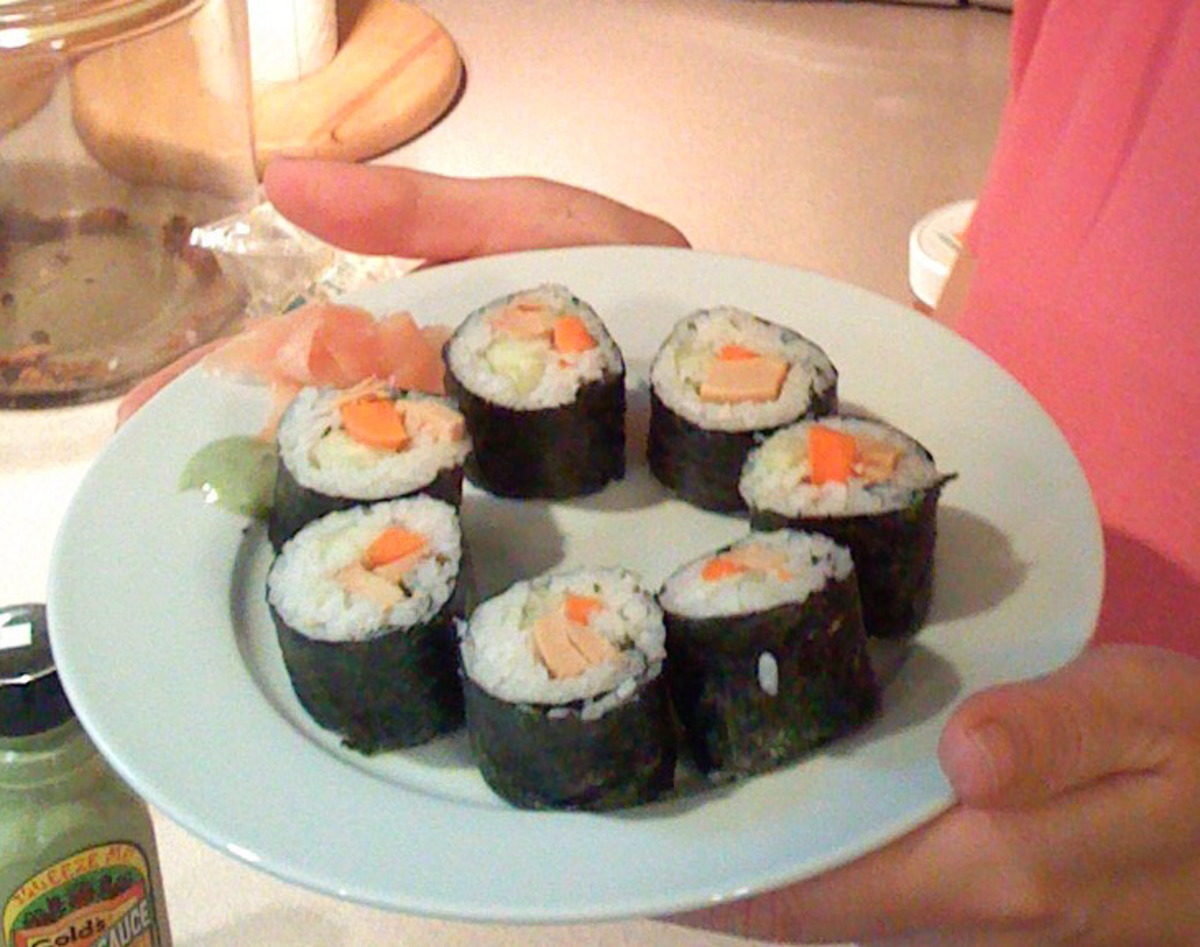
Perfect Sushi Rice Recipe
This authentic sushi rice recipe delivers the ideal balance of sweetness, tanginess, and stickiness for perfect sushi rolls, nigiri, or bowls. Master the art of Japanese rice preparation with this foolproof method.
🥘Ingredients
- 2 cups (400g) Japanese short-grain rice (sushi rice)
- 2 cups (480ml) water (for rinsing)
- 2 cups (480ml) water (for cooking)
- 1/4 cup (60ml) rice vinegar
- 2 tbsp (25g) granulated sugar
- 1 tsp (5g) salt
👨🍳Directions
-
1
Rinse the rice: Place the rice in a fine-mesh strainer and rinse under cold water, gently swirling with your hand, until the water runs clear (about 5-6 rinses). Drain well for 10 minutes. -
2
Cook the rice: Combine the drained rice and 2 cups of water in a medium saucepan. Let it soak for 20-30 minutes. Bring to a boil over medium-high heat, then reduce to low, cover, and simmer for 15 minutes. Remove from heat and let it steam, covered, for 10 minutes. -
3
Prepare the seasoning: While the rice cooks, combine rice vinegar, sugar, and salt in a small saucepan. Heat over low until the sugar and salt dissolve (do not boil). Let cool to room temperature. -
4
Season the rice: Transfer the cooked rice to a large wooden bowl (or non-reactive bowl). Gently fold in the vinegar mixture using a cutting motion with a wooden spoon or rice paddle. Fan the rice while mixing to give it a glossy finish (optional). -
5
Cool the rice: Cover the bowl with a damp towel and let it cool to room temperature before using. Do not refrigerate.
🔧Equipment
- Fine-mesh strainer
- Medium saucepan with lid
- Wooden spoon or rice paddle
- Large mixing bowl (preferably wooden)
- Fan (optional, for cooling)
- Measuring cups and spoons
📊Nutrition Facts (per serving)
📝Notes
Watch Video Of How Perfect Sushi Rice Recipe Works
❓ Frequently Asked Questions About Sushi Rice
1. What type of rice is best for sushi?
The best rice for sushi is short-grain Japanese rice, often labeled as “sushi rice” or “Calrose rice.” These varieties are sticky and starchy, which helps the rice hold its shape when rolled or pressed. Avoid long-grain rice like basmati or jasmine, as they lack the necessary stickiness.
2. Do I need to rinse sushi rice before cooking?
Yes, rinsing sushi rice is essential to remove excess starch, which can make the rice overly sticky or mushy. Rinse the rice in a fine-mesh strainer under cold water until the water runs clear—usually about 3-5 rinses. This step ensures a better texture and prevents the rice from becoming gummy.
3. What’s the ideal rice-to-water ratio for sushi rice?
The standard ratio is 1:1.1 (rice to water by volume). For example, if you use 1 cup of rice, add 1.1 cups of water. Some recipes suggest a 1:1 ratio, but a slightly higher water ratio ensures the rice cooks evenly without drying out. Adjust based on your rice cooker or pot—some may require slightly more or less water.
4. How do I season sushi rice properly?
Sushi rice is seasoned with a mixture of rice vinegar, sugar, and salt. For every cup of uncooked rice, use about 2 tablespoons of rice vinegar, 1 tablespoon of sugar, and 1 teaspoon of salt. Heat the mixture gently until the sugar and salt dissolve, then fold it into the cooked rice while it’s still warm. Use a cutting motion with a rice paddle to avoid crushing the grains.
5. Can I make sushi rice ahead of time?
Yes, you can prepare sushi rice ahead of time, but it’s best used within 4-6 hours for optimal texture. Store it at room temperature covered with a damp cloth to prevent drying. Avoid refrigerating it, as cold temperatures make the rice hard and lose its stickiness. If you must refrigerate, gently reheat it with a splash of water and vinegar to restore moisture.

