
cast iron cooking recipe

The Best cast iron cooking recipe
This recipe in particular is one of my favorites because it’s versatile enough for everyday meals but feels special enough for a dinner party. The cast iron keeps everything moist and flavorful, and the kids love how it makes food taste richer than anything else. It’s not just about the taste—it’s also a great way to get more nutrients in, especially when you’re using whole grains and lean proteins. Plus, there’s something comforting about knowing you’re cooking with something that’s been around for decades, something that’s built to last. It’s a no-fuss way to make sure every bite feels like home.
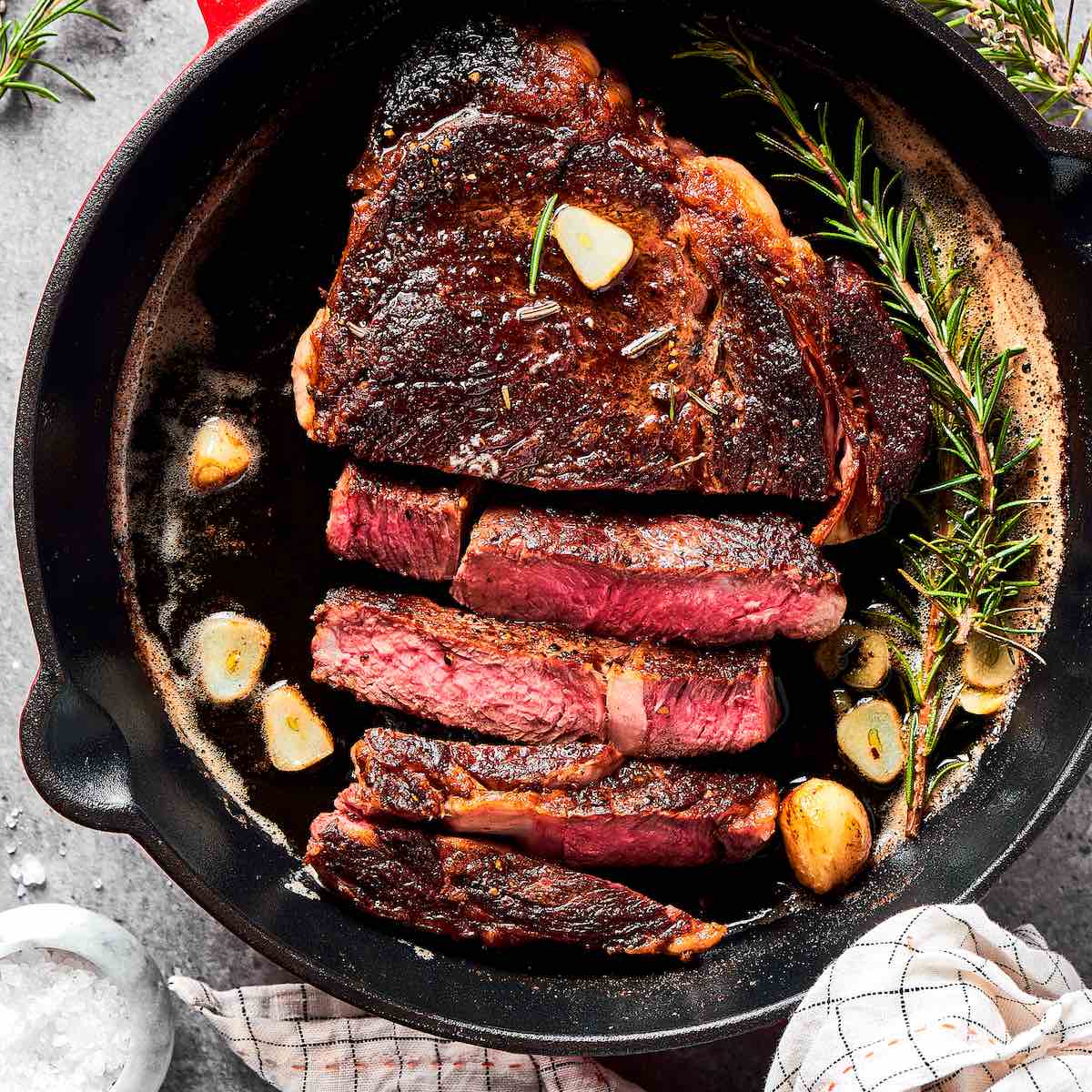
Crispy Cast Iron Skillet Pizza
A quick, easy pizza baked directly in a cast iron skillet for a crispy, oven-baked crust with a tangy tomato sauce. This recipe is a must-try for any occasion.
🥘Ingredients
- 1 ½ cups all-purpose flour
- 1 tsp salt
- 1 tsp olive oil
- 1 egg yolk
- ½ cup warm water
- ½ cup marinara sauce
- 1 cup shredded mozzarella cheese
- ½ cup diced bell peppers
- ¼ cup sliced black olives
- ¼ cup chopped fresh basil
👨🍳Directions
-
1
Preheat oven to 425°F. Lightly grease a cast iron skillet with oil. -
2
Mix flour, salt, olive oil, egg yolk, and warm water in a bowl until a dough forms. Knead lightly and let rest for 5 minutes. -
3
Roll the dough into a 10-inch circle and place it in the skillet. Cook on the stovetop for 2 minutes until edges start to lift. -
4
Transfer the skillet to the oven and bake for 12–15 minutes until the crust is golden and crisp. -
5
Spread marinara sauce evenly over the crust. Sprinkle cheese, bell peppers, olives, and basil on top. -
6
Return to the oven for 5–7 minutes until cheese melts and toppings are heated through.
🔧Equipment
- Cast iron skillet
- Mixing bowls
- Knife and cutting board
- Oven
📊Nutrition Facts (per serving)
📝Notes
Watch Video Of How Crispy Cast Iron Skillet Pizza Works
❓ Frequently Asked Questions About Crispy Cast Iron Skillet Pizza
1. Why do I need to season my cast iron before using it?
Seasoning creates a natural nonstick layer and protects the pan from rust. Start by heating the empty pan over medium-high until it smells toasty. Then, after each use, clean it thoroughly, dry it, and apply a thin layer of oil or shortening before reheating. This builds up over time to create a durable, food-safe surface.
2. How do I know if my cast iron is properly seasoned?
A well-seasoned pan should release food easily without sticking, and the surface should feel smooth to the touch. When you add a small amount of oil and heat it, the oil should sizzle and spread evenly without burning. If food sticks or leaves a greasy residue, you may need to re-season it.
3. Can I use regular cooking spray on my cast iron?
No, avoid aerosol sprays—they leave a residue that can break down the seasoning. Instead, use high-smoke-point oils like flaxseed, grapeseed, or vegetable oil, or a mix of shortening and oil. A thin, even coat works best.
4. What’s the best way to store my cast iron?
Store seasoned pans in a dry place, ideally upside down on a rack to prevent moisture buildup. If you’re not using them regularly, keep them in a sealed container with a paper towel to absorb any residual moisture. Avoid stacking them directly on top of each other.


