
chicken gojuchang recipe

The Best chicken gojuchang recipe
What I love most about this recipe is how easy it is to customize. You can adjust the spice level to suit your family’s taste, or swap in other proteins if you’re feeling creative. It’s also surprisingly healthy for the way it makes you feel—full of probiotics from the fermented gojuchang, which helps with digestion, and packed with lean protein to keep you satisfied. Plus, it’s a great way to use up any leftover chicken or even chicken thighs, making leftovers even easier to enjoy. My husband swears by it for meal prep because it tastes even better the next day, and my kids will eat it cold straight from the fridge if I’m in a hurry. It’s that kind of recipe: simple, adaptable, and always a hit.
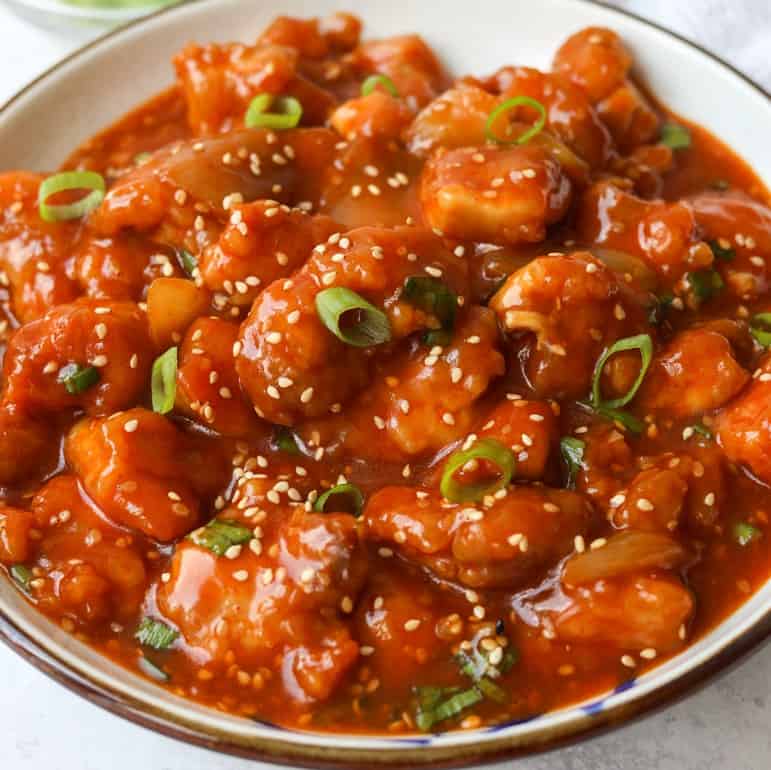
Spicy Korean Chicken Gojuchang
A savory, slightly sweet, and tangy Korean-inspired chicken dish with a soft, chewy dough that soaks up the bold flavors of gojuchang sauce. This recipe is a must-try for any occasion.
🥘Ingredients
- 1.5 lbs boneless, skinless chicken thighs
- 1 tbsp soy sauce
- 1 tbsp sesame oil
- 1 tsp minced garlic
- 1 tsp grated ginger
- 2 cups all-purpose flour
- 1 tsp salt
- 1 tsp sugar
- 1 tsp gojuchang paste
- 1 tbsp sesame oil
- 1 cup gojuchang sauce
- 1 tbsp gochujang (Korean red pepper paste)
- 1 tbsp honey
- 1 tbsp rice vinegar
- 1 tsp toasted sesame seeds
👨🍳Directions
-
1
Preheat oven to 400°F. In a bowl, mix chicken thighs with soy sauce, sesame oil, garlic, and ginger. Let marinate for 10 minutes. -
2
In a separate bowl, combine flour, salt, sugar, gojuchang paste, and sesame oil. Knead into a smooth dough. Cover and rest for 15 minutes. -
3
Roll the dough into 8 small balls. Place each chicken thigh between two pieces of plastic wrap and roll into a log, coating evenly with dough. Cut into bite-sized pieces. -
4
Preheat oven to 425°F. In a bowl, mix gojuchang sauce, gochujang, honey, and rice vinegar. Brush the sauce over the chicken pieces. -
5
Place chicken on a baking sheet and bake for 25–30 minutes, until the chicken is cooked through and the edges are slightly crispy.
🔧Equipment
- Mixing bowls
- Kitchen shears
- Baking sheet
- Oven
📊Nutrition Facts (per serving)
📝Notes
Watch Video Of How Spicy Korean Chicken Gojuchang Works
❓ Frequently Asked Questions About Spicy Korean Chicken Gojuchang
What is the difference between gojuchang and other fermented sauces?
Gojuchang is a uniquely Korean fermented sauce made from red pepper flakes, garlic, and sometimes ginger or scallions. Unlike other fermented sauces like kimchi or gochujang, it’s typically sweeter and less spicy on its own, though it’s often paired with other ingredients to intensify heat. It’s also less acidic than many fermented condiments, making it a versatile base for marinades, glazes, or even as a dipping sauce.
Can I substitute red pepper flakes for gojuchang powder?
No, you can’t substitute them directly. Red pepper flakes are fresh, while gojuchang powder is a concentrated, fermented version. Fresh red pepper flakes won’t have the same depth of flavor or depth of color. If you want to mimic the heat and complexity, start with a smaller amount of gojuchang powder and adjust to taste—it’s usually stronger than you’d expect.
How long does gojuchang take to ferment?
Traditional gojuchang ferments for about 30 days, but you can speed it up to 10–14 days by keeping it in a warmer spot (like a kitchen counter). If you’re in a hurry, you can use a slow cooker on low heat, but the flavor may not be as rich. Always check the sauce regularly to ensure it’s not over-fermented or moldy.
Is gojuchang spicy enough for beginners to handle?
Some people find gojuchang mild, especially if it’s been fermented longer (older batches lose some heat). If you’re new to spicy foods, start with a small amount and gradually increase. You can also mix it with a sweet element, like honey or fruit, to balance the heat. Always taste as you go!
Can I freeze gojuchang for later use?
Yes, but it’s best to freeze it in portions to avoid overcrowding. Once thawed, it may separate slightly, so give it a quick stir before using. Freezing doesn’t change the flavor significantly, but the texture might be slightly grainier. If you plan to use it in cooking, that’s fine—just stir it back in before cooking.


