
chili seasoning recipe

The Best chili seasoning recipe
This seasoning is perfect for any occasion—whether it’s a casual weeknight dinner or a bigger gathering where you want something hearty and flavorful. My husband always says it’s the secret to making chili taste even better, and honestly, it’s not just for chili. We use it in tacos, burritos, soups, even on grilled meats. My kids love it on their breakfast toast or with scrambled eggs, and it’s a great way to sneak in some extra flavor without making them think they’re eating “healthy.” Plus, the health benefits are pretty solid—it’s got a good mix of spices that can help with digestion, and the natural ingredients mean no preservatives or junk. It’s simple, it’s tasty, and it makes everything feel a little more special, no matter what you’re cooking.
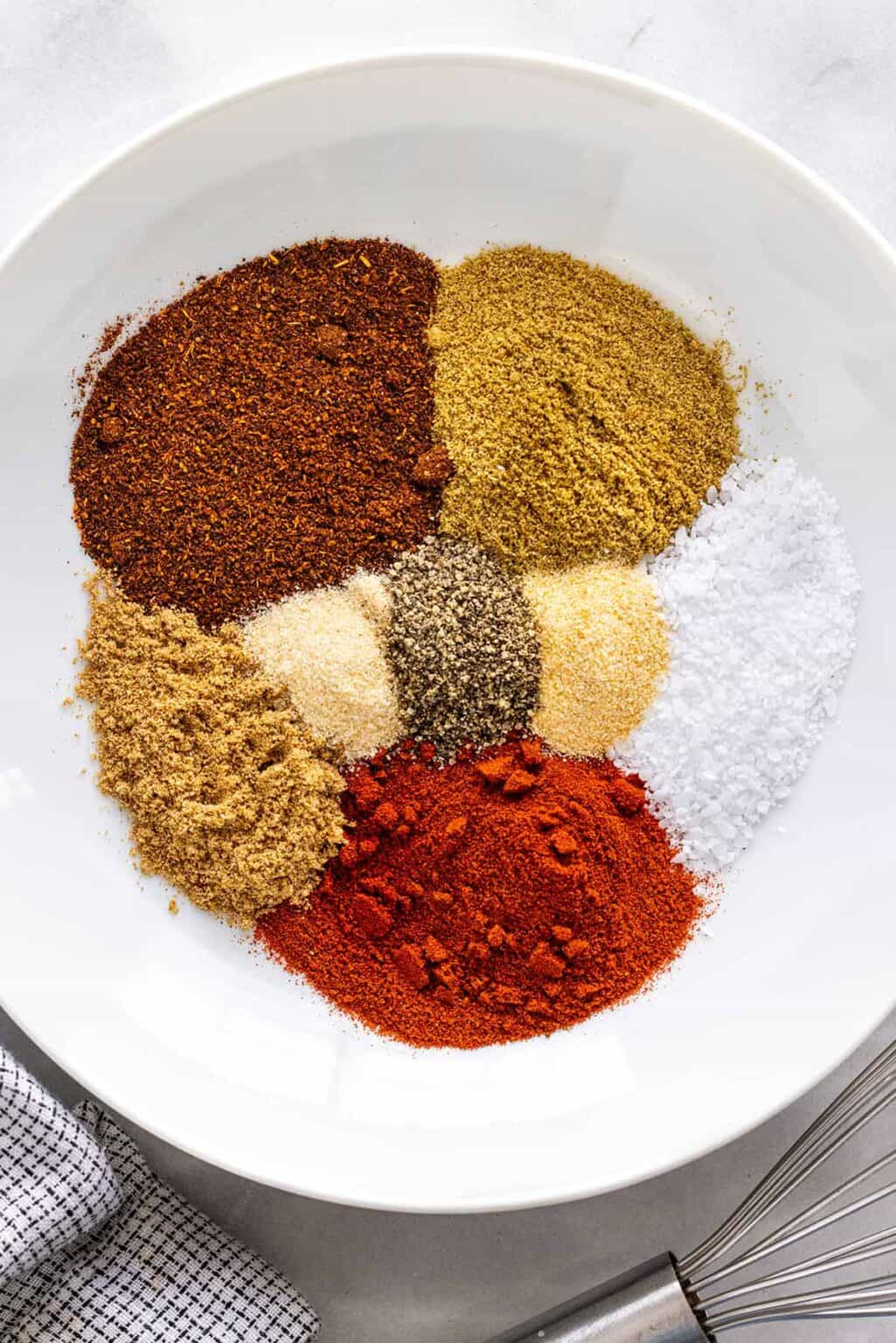
Classic Chili Seasoning Blend
A vibrant, spicy blend to elevate your chili game with rich, aromatic flavors. Perfect for homemade chili, stews, or marinades.
🥘Ingredients
- 2 tbsp chili powder
- 1 tbsp ground cumin
- 1 tbsp smoked paprika
- 1 tsp garlic powder
- 1 tsp onion powder
- 1 tsp dried oregano
- 1 tsp dried thyme
- 1/2 tsp black pepper
- 1/2 tsp cayenne pepper (adjust to taste)
- 1 tsp salt
- 1/2 tsp ground coriander
- 1 tbsp brown sugar or honey
- 1/2 tsp ground cloves
- 1/2 tsp cinnamon (for a sweet-spicy twist)
- 1/2 cup chopped fresh cilantro (for garnish)
👨🍳Directions
-
1
In a mixing bowl, combine all dry ingredients (chili powder, cumin, paprika, garlic powder, onion powder, oregano, thyme, black pepper, cayenne, salt, and coriander). -
2
Whisk or stir gently to ensure even distribution. For a sweeter blend, add brown sugar or honey and mix again. -
3
Transfer the seasoning blend to an airtight container and store in a cool, dark place for up to 6 months.
🔧Equipment
- Medium mixing bowl
- Whisk or spoon
- Airtight container
📊Nutrition Facts (per serving)
📝Notes
Watch Video Of How Classic Chili Seasoning Blend Works
❓ Frequently Asked Questions About Chili Seasoning Blend
What is the primary purpose of using chili seasoning in cooking?
Chili seasoning is primarily used to add a rich, spicy, and aromatic flavor to dishes. It enhances the overall taste by combining ingredients like ground chili peppers, garlic, onion, cumin, paprika, and other spices. This blend can elevate simple meals like soups, stews, and marinades into flavorful, restaurant-quality dishes.
—
How can I adjust the heat level in my chili seasoning recipe to suit different preferences?
To adjust heat, start with a base recipe and experiment by adding more or less of the hottest ingredient—such as cayenne pepper, chipotle powder, or fresh jalapeños. For milder chili, reduce the amount of chili powder or omit it entirely. If you prefer a deeper, smoky flavor, increase the paprika or add a pinch of smoked salt. Always taste and adjust incrementally.
—
Can I substitute any of the spices in the traditional chili seasoning recipe?
Yes, you can modify the recipe based on availability or personal taste. Common substitutions include:
– Chili powder → Smoked paprika or a mix of cayenne + ground coriander.
– Garlic powder → Fresh minced garlic or onion powder.
– Cumin → Dried oregano or a pinch of coriander seeds.
– Brown sugar → Honey or maple syrup for sweetness.
Always ensure the substitution maintains the balanced flavor profile of the dish.
—
How should I store chili seasoning to keep it fresh and potent?
Store chili seasoning in an airtight container away from direct sunlight and heat sources. For whole spices (like cumin seeds or coriander), keep them in a cool, dark pantry. For pre-ground blends, refrigerate or freeze in small portions for up to 6 months to preserve freshness and potency. Avoid regrinding dried spices repeatedly, as this can degrade their flavor over time.
—
What are some creative ways to use chili seasoning beyond traditional dishes like chili or tacos?
Chili seasoning is incredibly versatile! Try these creative uses:
– Rub for grilled meats (steak, chicken, or pork) for a smoky, spicy kick.
– Blended into marinades for fish or tofu.
– Added to roasted vegetables (sweet potatoes, bell peppers, or Brussels sprouts) for depth.
– Used in dressings (for salads or coleslaw) or as a dry rub for chips.
– Mixed into baked goods (like pizza dough or cornbread) for extra flavor.
For maximum impact, sprinkle it on top of finished dishes rather than mixing it in.


