
giblet gravy recipe

The Best giblet gravy recipe
I love this recipe because it’s simple enough that even if you’re not a big cook, you can pull it off without stress. You’re not adding a bunch of fancy ingredients—just a few basic ones that make all the difference. And the health benefits? Well, chicken giblets are packed with nutrients—iron, B vitamins, and protein—that give you a little extra boost without the guilt. It’s not just a side dish; it’s a flavorful way to get more goodness into your meals. Plus, it’s so versatile. You can serve it with mashed potatoes, rice, or even over biscuits, and it’ll always be a hit. And let’s be honest, nobody wants to eat dry chicken when it’s smothered in gravy. It’s the kind of dish that makes every meal feel like a little celebration, whether it’s a Sunday dinner or just a cozy weeknight. My kids still ask for it sometimes, and I never say no.
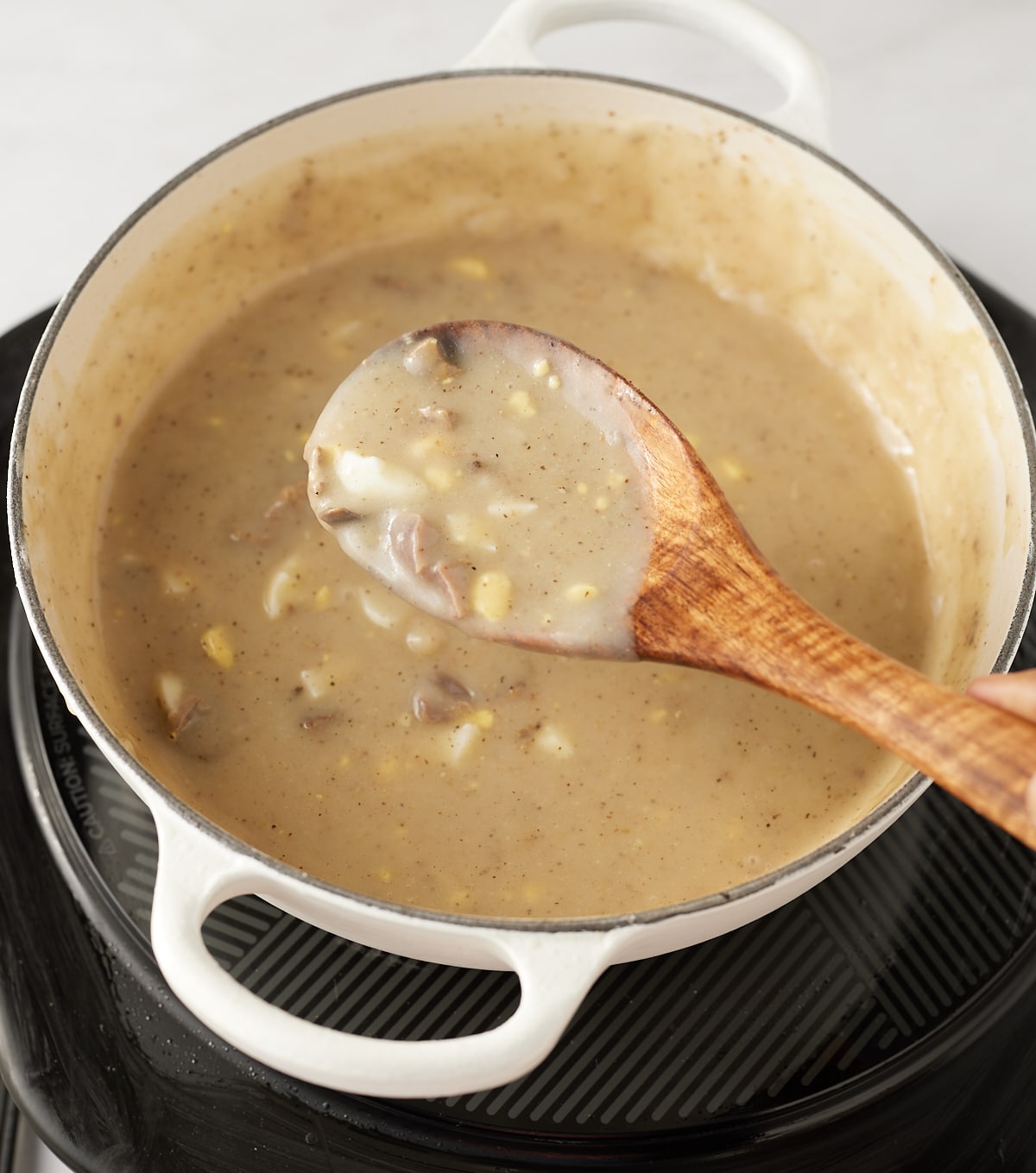
Classic Giblet Gravy Recipe
A rich, savory gravy made from chicken giblets, perfect for thickening soups, gravies, or enhancing dishes like roasted chicken. This recipe is a must-try for any occasion.
🥘Ingredients
- 1 lb chicken giblets (neck, heart, liver, and trachea)
- 1 tbsp unsalted butter
- 1 tbsp all-purpose flour
- 1 tbsp chicken broth
- 1 tbsp chicken fat or lard (optional)
- 1 tsp salt
- ½ tsp black pepper
- 1 tsp dried thyme
- 1 tsp dried parsley
- 1 clove garlic, minced (optional)
👨🍳Directions
-
1
Remove giblets from their packaging and rinse under cold water. Pat dry with paper towels. -
2
In a medium saucepan, melt the butter over medium heat. Add giblets and cook, stirring occasionally, until browned on all sides (about 5-7 minutes). -
3
Add flour to the pan and whisk constantly for 1-2 minutes to create a roux. Gradually pour in chicken broth while whisking to avoid lumps. -
4
Add chicken fat or lard if using, then stir in salt, pepper, thyme, parsley, and garlic (if using). Simmer for 10-15 minutes until thickened. -
5
Strain the gravy through a fine-mesh strainer to remove any giblet bits. Adjust seasoning if needed.
🔧Equipment
- Medium saucepan
- Wooden spoon
- Fine-mesh strainer
- Whisk
- Chef’s knife and cutting board
📊Nutrition Facts (per serving)
📝Notes
Tips
- For extra richness, add a splash of white wine or a bit of chicken stock while simmering.
- Use giblets immediately or freeze them for later use in other recipes.
- If the gravy is too thick, thin it with a little more broth or water.
Variations
- Add a splash of apple cider vinegar for brightness.
- Include a pinch of smoked paprika for depth.
Watch Video Of How Classic Giblet Gravy Recipe Works
❓ Frequently Asked Questions About Giblet Gravy
1. What is the difference between giblets and giblets gravy, and why is gravy made from them?
Giblets are the internal organs (heart, liver, lungs, etc.) and neck removed from poultry (like chickens). Giblet gravy is made from the rendered fat, broth, and seasonings extracted from these organs, giving it a rich, deep flavor. The gravy itself is thickened with a roux (butter and flour) and often includes the juices from the roasted poultry, making it a flavorful accompaniment to dishes like chicken and dumplings, roasted chicken, or stuffing.
2. Can I substitute giblets with other ingredients if I don’t have them on hand?
Yes, you can! If you don’t have giblets, you can use:
– Chicken or turkey stock (homemade or store-bought) for a lighter gravy.
– Chicken fat or drippings from roasting the bird for richness.
– A small amount of chicken broth + a splash of milk or cream for a milder but still flavorful version.
– A roux-based gravy (butter, flour, and water) if you want a classic, store-bought-style gravy.
For best results, use a mix of stock and fat to mimic the depth of giblet gravy.
3. Why does my giblet gravy taste bland or lack depth?
Several factors could make your gravy taste flat:
– Not enough fat – Giblets release a lot of flavorful fat; if you’re using just broth, the gravy may lack richness. Always render the fat from the giblets (or use extra chicken fat).
– Under-seasoning – Giblet gravy benefits from salt, pepper, and herbs (like thyme, bay leaf, or black pepper). A pinch of sugar can also help balance acidity.
– Not reducing enough – Simmering the gravy until it thickens and reduces the liquid concentrates the flavors. If it’s too thin, simmer longer.
– Using plain water instead of stock – Stock (even homemade) adds depth due to its complex flavor profile. If you must use water, add a splash of vinegar or Worcestershire sauce for brightness.
4. How do I make sure my giblet gravy is thick enough for serving?
To achieve the perfect thickness for giblet gravy:
– Start with a roux – Cook butter and flour together until golden (about 5 minutes) before adding liquid. This creates a sturdy base.
– Use the right liquid – Chicken stock or giblet broth works best; avoid plain water unless necessary.
– Simmer until thick – After adding liquid, simmer uncovered until it reduces by half (about 10–15 minutes). Stir occasionally to prevent sticking.
– Adjust with cornstarch or flour slurry – If it’s still too thin, mix 1 tbsp flour with 2 tbsp cold water, stir into the gravy, and simmer until thickened.
– Check with a spoon – The gravy should coat the back of a spoon without dripping off.
5. Can I make giblet gravy ahead of time and reheat it safely?
Yes! Giblet gravy tastes even better the next day as flavors meld. Here’s how to store and reheat it safely:
– Storage:
– Fridge: Store in an airtight container for up to 4 days.
– Freezer: Portion into freezer-safe containers or ice cube trays for up to 3 months.
– Reheating:
– Stovetop: Warm gently over low heat, stirring occasionally, until bubbly and thickened. Add a splash of water or stock if too dry.
– Microwave: Microwave in 30-second bursts, stirring between each, until heated through. Be careful not to overheat, as it can become watery.
– Avoid overheating – Overcooking can make gravy bitter or separate. If reheating from frozen, thaw first and reheat slowly to preserve texture.


