
orange marmalade recipe

The Best orange marmalade recipe
I love this recipe because it’s easy to customize—you can adjust the sweetness or the orange peel to taste, and it’s a great way to use up extra oranges from the season. My family always says it’s the perfect spread for holidays or just a regular day, whether it’s on a sandwich with a side of cheese or paired with a cup of tea. And the health benefits? Well, it’s packed with vitamin C, which helps keep you feeling your best, and the natural sugars come from the oranges themselves, so you’re not getting all that refined stuff. It’s a little indulgence that’s actually good for you, and that’s a win in my book. Plus, nothing beats the satisfaction of making something from scratch, especially when it’s something as beloved as orange marmalade.
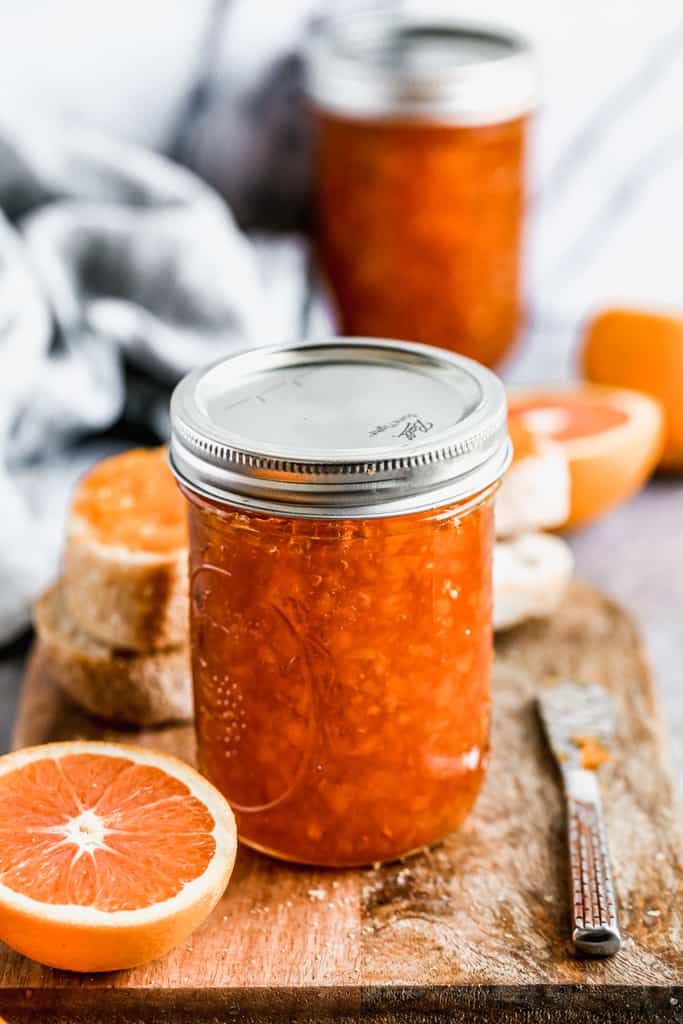
Classic Orange Marmalade Recipe
A traditional homemade marmalade made with fresh oranges, offering a tangy, sweet, and vibrant flavor perfect for topping toast, yogurt, or pastries. This recipe is a must-try for any occasion.
🥘Ingredients
- 12 large navel oranges (peeled, seeded, and sliced into ½-inch pieces)
- 6 cups water
- 6 cups granulated sugar
- 1 tsp lemon juice (optional, for brightness)
👨🍳Directions
-
1
Preheat oven to 200°F (95°C) to keep oranges warm while cooking. -
2
In a large stockpot, combine sliced oranges, water, and lemon juice (if using). Bring to a boil over medium-high heat. -
3
Reduce heat to low, cover, and simmer for 30 minutes, stirring occasionally. -
4
In a separate bowl, mix sugar and a pinch of salt until dissolved. Stir into the orange mixture. -
5
Increase heat to medium-high, bring to a full rolling boil, and boil for 15–20 minutes, stirring frequently to prevent sticking. -
6
Remove from heat and let cool for 5 minutes. Strain through a fine-mesh sieve into clean jars, pressing on the pulp to extract as much liquid as possible. -
7
Wipe jar rims clean, place lids on, and process in a water bath for 10 minutes to ensure sterility.
🔧Equipment
- Large stockpot
- Wooden spoon or silicone spatula
- Fine-mesh strainer
- Clean jars with lids
- Thermometer (optional, for checking sugar content)
📊Nutrition Facts (per serving)
📝Notes
Tips
- Use a mix of navel and Valencia oranges for a balanced flavor.
- For a firmer marmalade, boil longer or add 1–2 extra cups of sugar.
- Store in a cool, dark place for up to 1 year. Refrigerate after opening.
Variations
- Add 1 cinnamon stick or 2 star anise pods while simmering for a spiced twist.
- Use pitted mandarins or blood oranges for a unique flavor profile.
Watch Video Of How Classic Orange Marmalade Recipe Works
❓ Frequently Asked Questions About Orange Marmalade
What is the best way to prepare a traditional orange marmalade recipe?
To make a classic orange marmalade, start by peeling and slicing 4 large oranges (or 5 small ones) into thin slices, ensuring you remove the membranes and seeds. In a large pot, combine the orange slices with 2 cups of water and 1 cup of granulated sugar. Heat gently over medium-low heat, stirring occasionally, until the mixture begins to simmer. Add 1/2 cup of lemon juice, which helps balance the flavor, and continue simmering for about 20-30 minutes, stirring frequently to prevent sticking. Once the mixture thickens and reaches a jelly-like consistency, remove from heat and let it cool slightly before straining through a fine-mesh sieve into a clean bowl. Return the strained mixture to the pot, add 1/2 cup of water, and simmer again for another 10-15 minutes to ensure full clarity and thickness. Cool completely before bottling.
—
How can I adjust the sweetness level of my orange marmalade?
The sweetness of orange marmalade depends on the sugar-to-orange ratio. For a standard recipe (4 oranges), you can adjust sugar by adding more or less while keeping the water constant. For a sweeter marmalade, increase sugar by 1/4 to 1/2 cup. For a less sweet version, reduce sugar by the same amount. Always ensure the mixture reaches a thick, jelly-like consistency before straining. Taste as you go to fine-tune the flavor to your preference.
—
Why does my marmalade turn out cloudy, and how can I prevent it?
Cloudiness in marmalade often occurs due to undissolved pectin or residual fruit pulp. To prevent this, ensure you strain the mixture thoroughly using a fine-mesh sieve or cheesecloth. Simmering the strained mixture with a bit more water (about 1/4 to 1/2 cup) after straining helps dissolve any remaining particles and improves clarity. Additionally, using fresh, high-quality oranges and avoiding over-straining (which can break down the fruit) also helps maintain a cleaner finish. If cloudiness persists, let the marmalade cool and strain again before bottling.
—
Can I use a mix of oranges and lemons in my marmalade recipe?
Yes, you can use a combination of oranges and lemons for added brightness and depth of flavor. A common ratio is 3 parts oranges to 1 part lemon juice (or 1 orange’s worth of lemon juice). For example, if using 4 oranges, add about 1/2 cup of lemon juice. The lemon juice not only enhances the tanginess but also helps clarify the marmalade. Experiment with ratios to find your preferred balance—too much lemon can make the marmalade overly acidic, while too little may dilute the orange flavor.
—
What are some tips for preserving orange marmalade to keep it fresh longer?
To extend the shelf life of your orange marmalade, follow these steps: First, ensure it’s completely cooled before bottling. Use clean, sterilized jars (boil them for 10 minutes or wash with hot, soapy water and rinse with hot water). Fill jars with marmalade, leaving 1/2 inch of headspace, then seal with a lid. Process the jars in a water bath canner for 10 minutes (for room-temperature jars) or 15 minutes (for hot jars) to ensure proper sterilization. Label jars with the date and refrigerate or store in a cool, dark place. Properly stored marmalade can last 1-2 years in the fridge or up to 6 months in the pantry.
