
rice noodle recipe

The Best rice noodle recipe
I also love how nutritious they are. Rice noodles themselves are a whole grain, so they’re a better option than white rice if you’re watching your carb intake, and they’re packed with fiber to keep things moving smoothly. And when you load them up with lean proteins, colorful veggies, and healthy fats—like sesame oil or avocado—you’re basically giving your family a balanced meal that’s easy on the stomach but still packed with goodness. It’s a no-fuss way to eat well, especially when you’re busy but still want something that feels like a treat. Plus, they’re so customizable—you can tweak the spices, the veggies, or the protein to suit what you’re in the mood for. Whether it’s a busy weeknight or a special celebration, these noodles are always a hit. My husband says they’re the only thing that ever makes him forget he’s not eating out, and honestly? I couldn’t agree more.
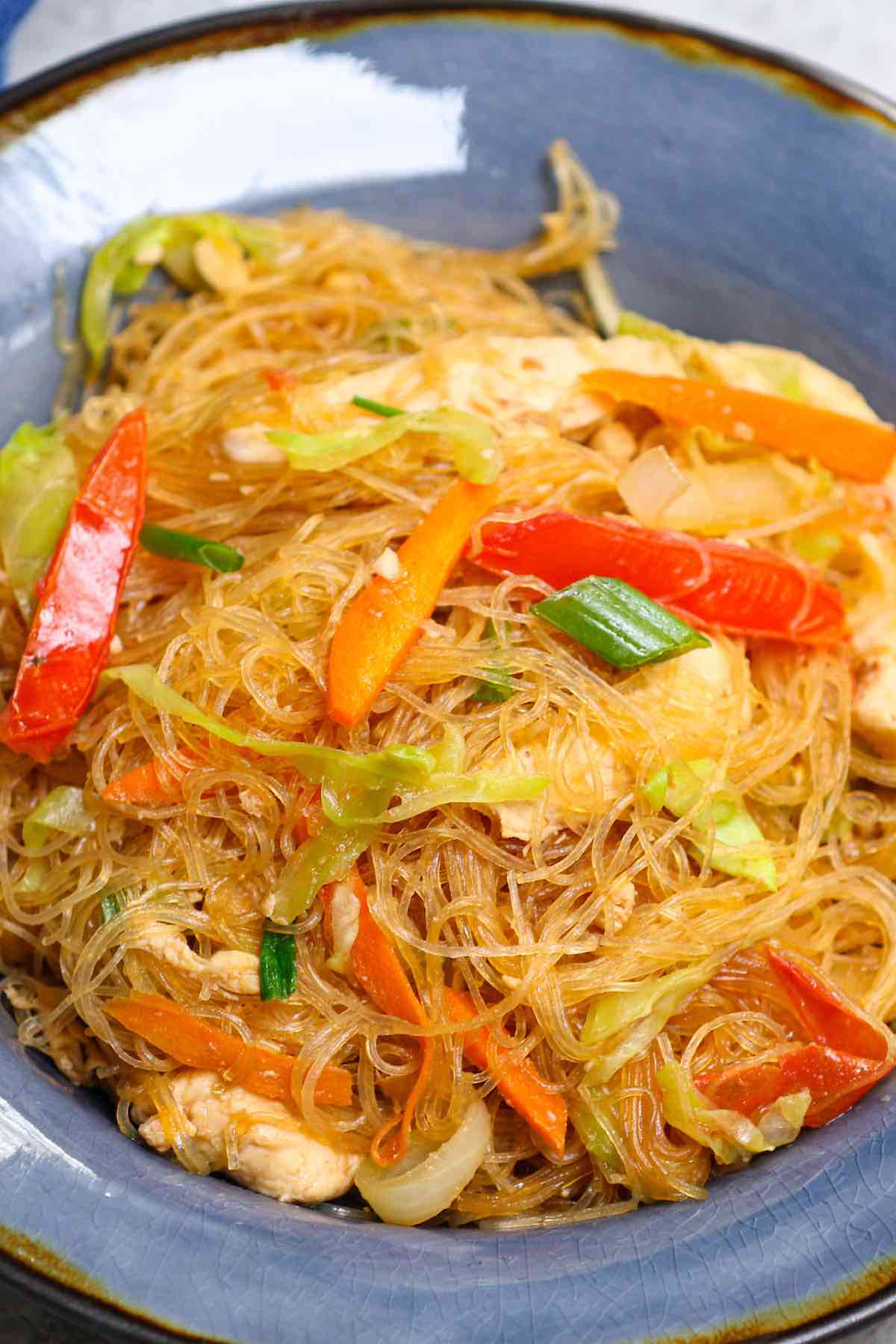
Fresh Spring Rolls with Peanut Sauce
A delightful Asian-inspired dish featuring crispy rice noodles wrapped in fresh spring rolls, served with a rich peanut sauce. This recipe is a must-try for any occasion.
🥘Ingredients
- 8 oz rice noodles (or rice vermicelli)
- 2 tbsp vegetable oil
- 1 tsp salt
- 1 cup water
- 1 pack fresh spring roll wrappers
- 1 cup shredded carrots
- 1 cup shredded cabbage
- 1/2 cup sliced mushrooms
- 1/2 cup finely chopped cilantro
- 1/2 cup thinly sliced bell peppers
- 1/2 cup cooked shrimp or chicken (optional)
- 1/4 cup crushed peanuts (for garnish)
- 3 tbsp peanut butter
- 2 tbsp soy sauce
- 1 tbsp lime juice
- 1 tbsp honey or sugar
- 1 clove garlic, minced
- 1 tsp sriracha (optional)
- 1 tbsp water (to thin sauce)
👨🍳Directions
-
1
Cook rice noodles according to package instructions (usually 3-5 mins in boiling water). Drain, rinse with cold water, and set aside. -
2
Prepare the peanut sauce by mixing peanut butter, soy sauce, lime juice, honey/sugar, garlic, sriracha, and water until smooth. -
3
In a large bowl, combine shredded carrots, cabbage, mushrooms, cilantro, and bell peppers. Add cooked shrimp or chicken if using. -
4
To assemble spring rolls, place 1 wrapper in a bowl of water to soften. Spread a thin layer of sauce on the center of the wrapper. Add 1 tbsp filling, then fold sides in, roll tightly, and secure with a toothpick if needed. -
5
Repeat until all fillings are used. Arrange spring rolls on a platter. Serve with cooked rice noodles and peanut sauce on the side.
🔧Equipment
- Large pot
- Mixing bowls
- Knife and cutting board
- Rolling pin (or flat surface)
- Serving platter
- Small bowl for sauce
📊Nutrition Facts (per serving)
📝Notes
Tips
- Ensure wrappers are softened properly to avoid tearing.
- Adjust sauce thickness by adding more water if needed.
- For extra flavor, add a dash of fish sauce or chili flakes to the peanut sauce.
Substitutions
- Use tofu instead of shrimp for a vegetarian option.
- Substitute rice noodles with spaghetti or any thin noodles if unavailable.
Watch Video Of How Fresh Spring Rolls with Peanut Sauce Works
❓ Frequently Asked Questions About Fresh Spring Rolls with Peanut Sauce
1. What is the best way to prepare fresh rice noodles from scratch?
Fresh rice noodles are typically made by soaking dried noodles in warm water for about 10–15 minutes until pliable, then draining and rinsing with cold water to remove excess starch. For homemade versions, you can use a rice flour mixture (like 1:1 rice flour and tapioca starch) and cook them in boiling water for 3–5 minutes until tender but still slightly chewy. Avoid overcooking to maintain texture.
2. Can I substitute dried rice noodles for fresh ones in recipes?
Yes, dried rice noodles work well in most dishes, though they may be slightly firmer than fresh ones. Soak them in warm water for 10–15 minutes before cooking, then drain and rinse briefly to remove excess starch. Some recipes (like stir-fries) may require a quick rinse under cold water to prevent gummy texture. Fresh noodles are best for soups or dishes needing a softer bite.
3. How do I prevent rice noodles from sticking together when cooking?
To avoid sticking, ensure noodles are fully soaked in warm water before cooking—this softens them and reduces gluten binding. If they still clump, gently press them apart with a fork or spoon while draining. For stir-fries, lightly pat them dry with a towel before cooking to remove excess moisture. Avoid overcrowding the pan, and cook in batches if needed.
4. What’s the difference between rice noodles and egg noodles?
Rice noodles are made from rice flour (sometimes mixed with tapioca starch) and have a lighter, more delicate texture, often used in Southeast Asian dishes like pho, pad thai, or vermicelli salads. Egg noodles, on the other hand, contain eggs and wheat flour, giving them a chewier, slightly elastic consistency, common in Western dishes like lo mein or spaghetti. Rice noodles are gluten-free, while egg noodles are not.
5. How should I store leftover rice noodles to maintain freshness?
Store cooked rice noodles in an airtight container in the fridge for up to 3–4 days. To revive them, soak in warm water for 5–10 minutes before using. For longer storage (up to 3 months), freeze them in a single layer on a tray first, then transfer to a bag. Thaw overnight in the fridge before cooking. Avoid re-soaking frozen noodles directly in hot water to prevent mushiness.
