
pot roast pressure cooker recipe


The Best pot roast pressure cooker recipe
I’ve always been a fan of pot roast, there’s something about the tender meat and rich flavors that just warms the heart. I remember my grandmother used to make it for special occasions, and it was always a hit with the family.
As I grew older, I started experimenting with different recipes and cooking methods, and that’s when I discovered the magic of the pressure cooker. It’s a game-changer for pot roast, reducing cooking time and making the meat fall-apart tender.
My kids love helping me in the kitchen, and this recipe is one of their favorites – they can’t get enough of the juicy meat and flavorful gravy. We often have it on Sundays after church, or when we’re hosting family gatherings.
The best part is that it’s incredibly easy to make, requiring minimal prep work and attention while it cooks. The health benefits are also a plus – lean cuts of beef, vegetables, and no added preservatives make it a guilt-free meal option.
My husband loves it because it’s a hearty, comforting dish that never fails to fill him up. In fact, we’ve even started serving it at our weekly dinner parties with friends, who always rave about the flavors and textures.
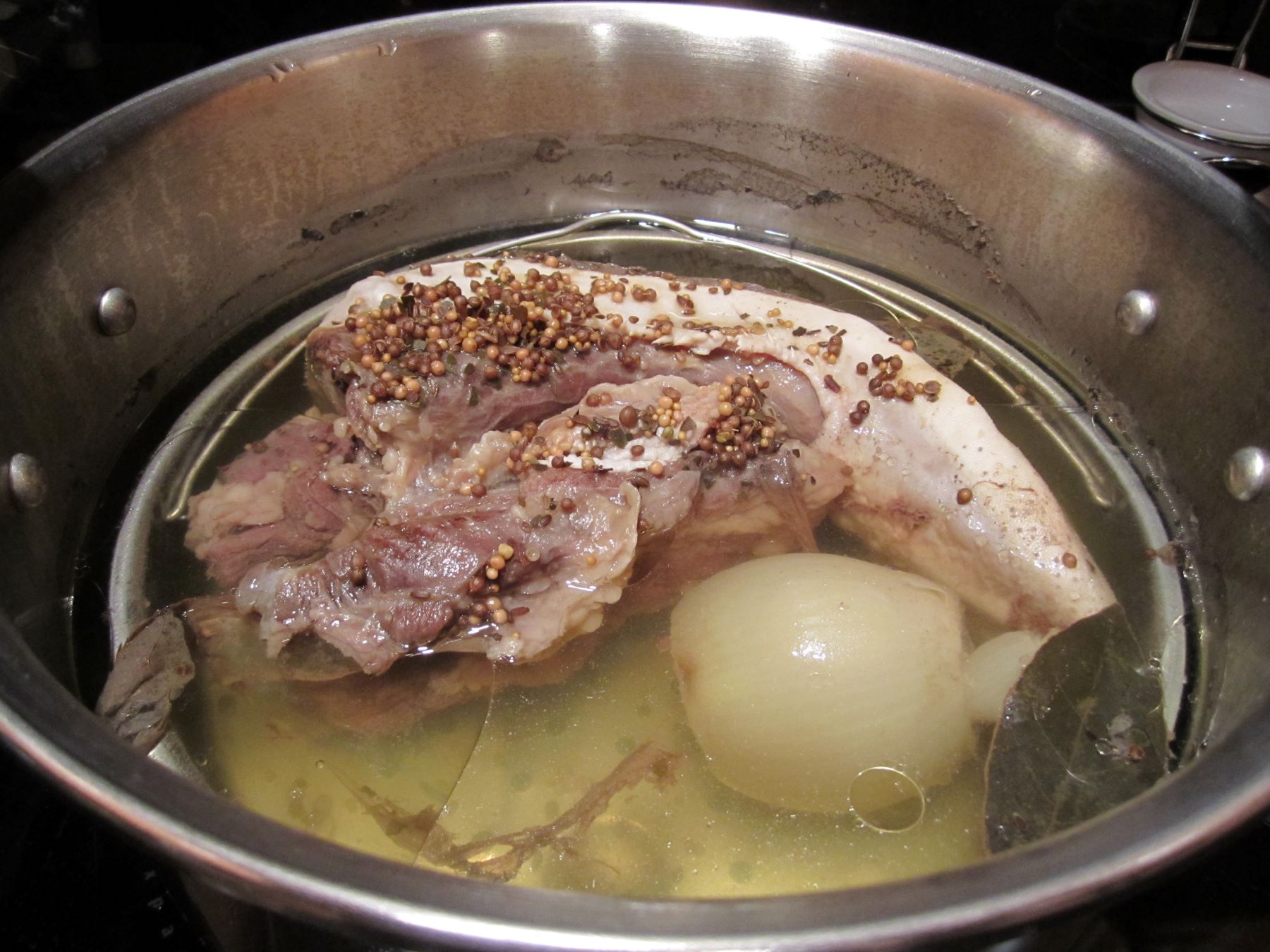
Pressure Cooker Pot Roast
A tender and flavorful pot roast made quickly in a pressure cooker. The meat is seared then cooked with vegetables and a rich broth until fork-tender.
🥘Ingredients
For the Roast
For the Vegetables and Broth
For the Gravy
👨🍳Directions
🔧Equipment
📊Nutrition Facts (per serving)
📝Notes
Watch Video Of How Pressure Cooker Pot Roast Works
I make this pot roast in the pressure cooker whenever I need a meal that works for a crowd, whether it is a holiday, a birthday, or just a regular Sunday with everyone home.
It feeds a family gathering without much effort on my end, and the meat comes out tender enough that nobody has to fight with their fork.
If you want something reliable that fits almost any occasion, this is the one I keep coming back to.
❓ Frequently Asked Questions About Pressure Cooker Pot Roast
1. How long does pot roast take in a pressure cooker?
For a 3-pound chuck roast, plan on about 60 to 75 minutes at high pressure, plus roughly 15 minutes of natural release. Smaller roasts cut down the time, but stay within the range your pressure cooker manufacturer recommends for the cut and weight. The roast is done when it shreds easily with a fork and offers little resistance when pierced.
2. Do I need to brown the roast before pressure cooking?
It is not required, but it is worth the extra 10 minutes. Searing the roast in a hot skillet or using the sauté setting develops a deeper flavor and a nicer crust on the exterior. Skipping this step still produces tender meat, though the finished broth will taste a bit flatter.
3. Why did my pot roast come out tough?
Toughness almost always comes down to undercooking or skipping the natural release. Chuck and similar cuts need enough time under pressure for the connective tissue to break down, so resist the urge to pull the roast early. Letting the pressure drop on its own for 10 to 15 minutes keeps the meat from seizing up. Blasting the valve open releases steam quickly and can leave the roast dry and chewy.
4. Can I add vegetables at the same time as the meat?
Sturdy vegetables like carrots, onions, and potatoes can go in with the roast, but root vegetables break down fast under pressure. Cut them into large chunks and place them on top of the meat rather than underneath, where they sit closer to the heat source. If you want firm, intact vegetables, cook the roast first, release the pressure, then add the vegetables for the last 5 to 10 minutes of cooking.
5. How much liquid do I need, and can I use the broth afterward?
Use about 1 cup of liquid for a 3-pound roast, which is enough to build steam without drowning the meat. Beef broth, stock, or a mix of broth and a splash of Worcestershire all work well. The braising liquid left in the pot makes an excellent gravy — skim the fat, then simmer it on the sauté setting with a little cornstarch slurry until it thickens.
