
high altitude sourdough bread recipe


The Best high altitude sourdough bread recipe
I’m so excited to share my high altitude sourdough bread recipe with you! As a mom of three, I’ve always been on the lookout for recipes that are not only delicious but also easy to make and perfect for family gatherings. This recipe has been a game-changer for me, and I know it will be for you too. I first discovered sourdough bread while living in Colorado, where the high altitude made it difficult to find good bread.
But with this recipe, I was able to create a delicious and authentic sourdough that our family loved. The key to this recipe is using a natural starter culture instead of commercial yeast. This allows the bread to rise more slowly and evenly, resulting in a chewy crumb and a crispy crust. Over time, I’ve perfected this recipe to suit our high-altitude needs, and now I’m happy to share it with you.
The process of making sourdough is actually quite simple once you get the hang of it. You’ll need to create a natural starter culture by mixing equal parts of flour and water in a clean glass or plastic container. Then, every day or two, feed the starter with more flour and water until it becomes active and bubbly. Once your starter is active, you can mix it with flour, water, salt, and sugar to create the dough.
Knead the dough gently until it becomes smooth and elastic, then let it rest in a warm place until it’s doubled in size. One of the best things about this recipe is how versatile it is. You can shape the dough into boules, baguettes, or even just let it spread out into a rustic loaf. And because sourdough has no added preservatives or artificial flavorings, you can store it at room temperature for up to five days without worrying about it going stale.
I love serving this bread at family gatherings because everyone loves the way it tastes – all tangy and earthy from the natural starter culture. And because we use less sugar than traditional bread recipes, this sourdough is actually healthier too! It’s perfect for sandwiches or just served on its own as a side dish.
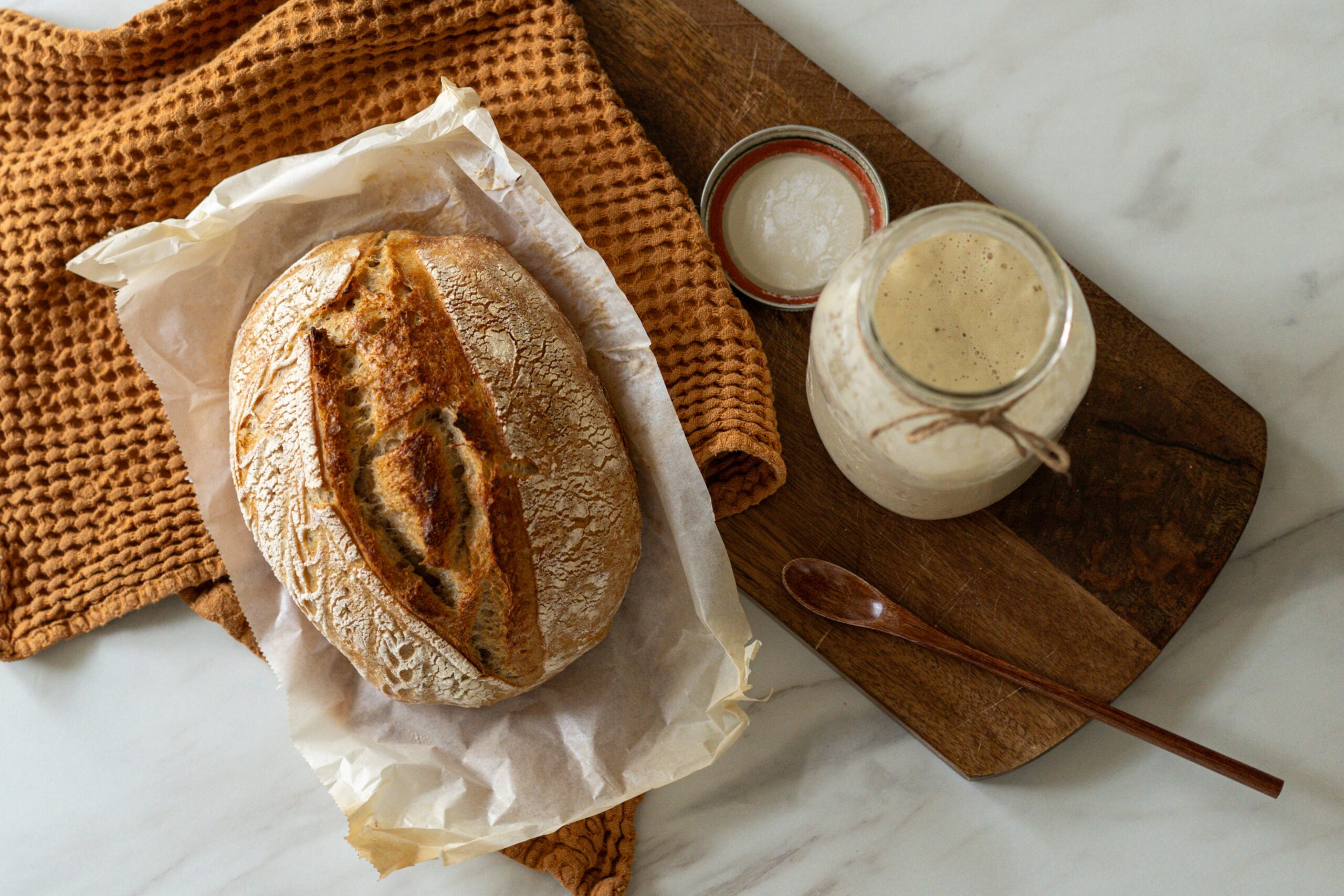
High Altitude Sourdough Bread
A tangy, crusty sourdough bread adapted for high altitude baking. This recipe adjusts hydration and rising times to achieve a perfect loaf at elevations above 5,000 feet.
🥘Ingredients
For the Levain
For the Dough
👨🍳Directions
🔧Equipment
📊Nutrition Facts (per serving)
📝Notes
Watch Video Of How High Altitude Sourdough Bread Works
This high altitude sourdough bread recipe has become a staple in our household – every time we serve it at family gatherings or just enjoy slices together as an after-school snack.
And because we use less sugar than traditional recipes and rely on natural yeast starters instead of commercial additives, our kids are getting all sorts of health benefits from eating this delicious bread every day.
❓ Frequently Asked Questions About High Altitude Sourdough Bread
Q: What’s the difference between high-altitude and regular sourdough bread?
High-altitude sourdough bread is made with a special starter culture that’s designed to thrive in low-oxygen environments like those found at high altitudes.
Q: Can I use commercial yeast instead of a natural starter culture?
No, using commercial yeast will result in a denser loaf that lacks the characteristic chewiness of true sourdough.
Q: How do I know if my starter culture is active?
A healthy starter culture should be bubbly and almost frothy on top – if yours isn’t active after 24 hours, try feeding it again with fresh flour and water.
Q: Can I store my dough in the fridge instead of letting it rest at room temperature?
Sourdough dough doesn’t like cold temperatures – if you store it in the fridge before letting it rise, your loaves may not develop that lovely crusty exterior.
Q: Is there anything special I need to do when shaping my dough into boules or baguettes?
Nope – just use your hands to gently shape the dough into whatever form you like!

