
shrimp lo mein recipe

The Best shrimp lo mein recipe
What really makes this recipe work for me is how adaptable it is. You can tweak the ingredients based on what’s on sale or what you’ve got in the fridge, but the core flavors always stay true. It’s not just a meal—it’s a way to bring people together, whether it’s a family dinner or a potluck where you want something that’s easy to serve but still impressive. And let’s be honest, there’s something comforting about a good lo mein. The noodles are a little chewy, the shrimp are tender and juicy, and the sauce ties everything together without being overpowering. It’s that kind of dish that feels like a little love note on your plate. Plus, it’s got all the nutrients you need—protein from the shrimp, fiber from the noodles, and a little something from the veggies and spices. It’s not just good for the taste buds, but it’s good for you too, which is always a bonus when you’re trying to keep things balanced. Plus, the kids love that it’s quick to make, so it’s a win-win for everyone.
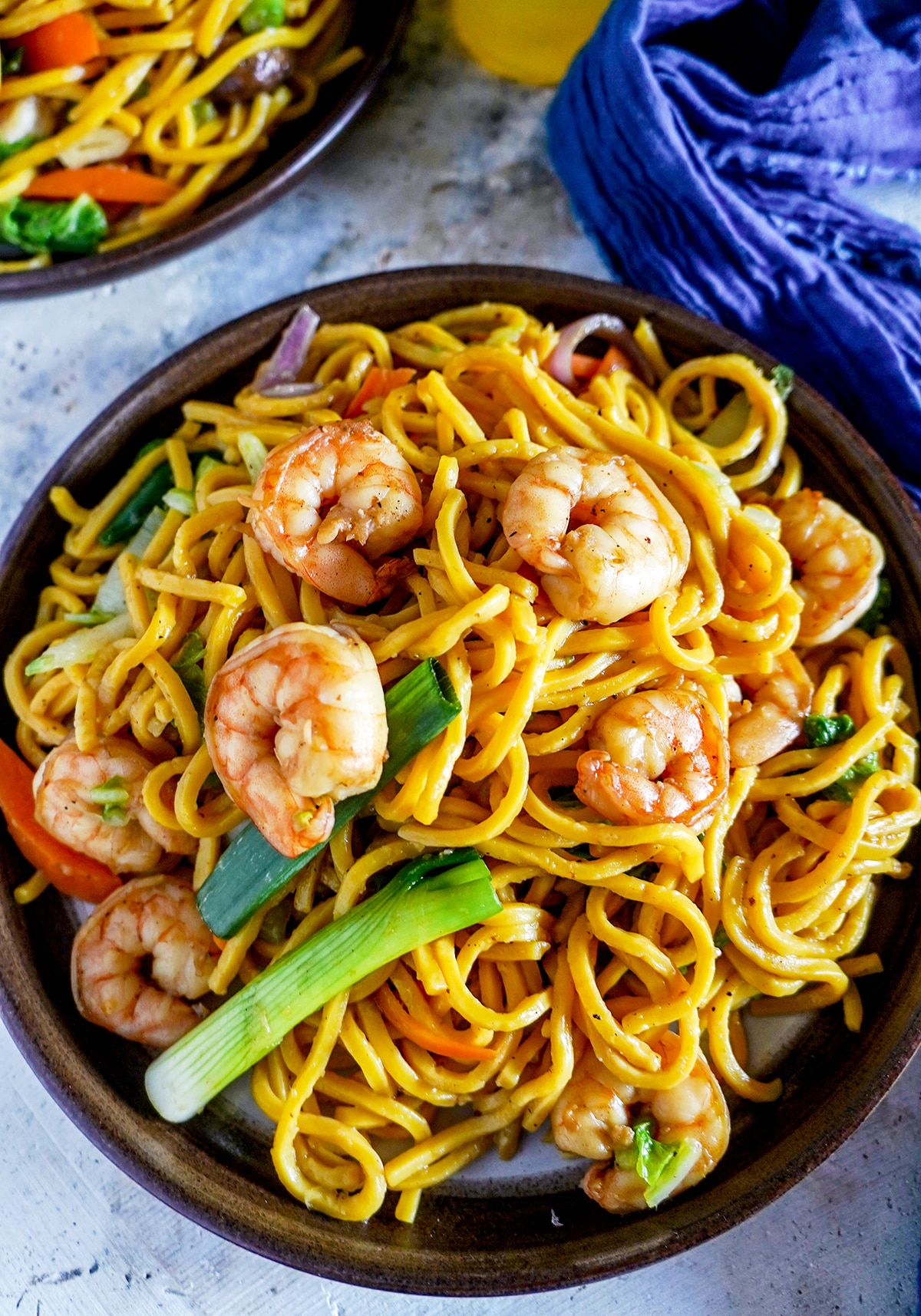
Shrimp Lo Mein
A flavorful stir-fry dish featuring succulent shrimp, crisp vegetables, and a savory-sweet sauce over noodles, perfect for a quick and satisfying meal. This recipe is a must-try for any occasion.
🥘Ingredients
- 12 oz (340g) flat or wide egg noodles
- 1 tbsp vegetable oil
- 1 lb (450g) large shrimp, peeled and deveined
- 2 tbsp soy sauce
- 1 tbsp sesame oil
- 2 tbsp oyster sauce
- 1 tbsp brown sugar
- 1 tbsp rice vinegar
- 1 tsp red pepper flakes (optional)
- 1 clove garlic, minced
- 1 tbsp minced ginger
- 1 tbsp cornstarch mixed with 2 tbsp water
- 1 large bell pepper, sliced
- 1 cup broccoli florets
- 1 carrot, julienned
- 1 cup snap peas
- 2 cloves garlic, minced
👨🍳Directions
-
1
Cook the noodles according to package instructions, drain, rinse with cold water, and set aside. Heat oil in a stir-fry pan over medium-high heat. -
2
Add shrimp to the pan and cook for 2-3 minutes per side until pink. Remove shrimp and set aside. -
3
In a small bowl, mix oyster sauce, brown sugar, rice vinegar, red pepper flakes, minced garlic, and ginger. Stir in cornstarch slurry and set aside. -
4
In the same pan, stir-fry bell pepper, broccoli, carrot, and snap peas for 4-5 minutes until tender-crisp. Add minced garlic and cook for 30 seconds. -
5
Return shrimp to the pan, pour sauce over everything, and stir well to coat. Cook for another 2-3 minutes until sauce thickens. -
6
Add cooked noodles to the pan and toss everything together for 1-2 minutes until well combined. Serve hot.
🔧Equipment
- Stir-fry pan
- Wooden spoon
- Mixing bowls
- Cutting board
- Knife
📊Nutrition Facts (per serving)
📝Notes
- For extra flavor, add a splash of fish sauce or a dash of chili oil.
- Use fresh shrimp for the best texture. If using frozen, thaw and pat dry before cooking.
- For a lighter version, reduce oil used and add more vegetables.
Watch Video Of How Shrimp Lo Mein Works
❓ Frequently Asked Questions About Shrimp Lo Mein
1. What is the best type of shrimp to use for shrimp lo mein and how do I choose the large enough size?
The best shrimp for shrimp lo mein are peeled, deveined large shrimp (about 1.5 to 2 inches long). Look for firm, bright pink or reddish flesh with no signs of toughness or discoloration. Avoid shrimp that are overly translucent or have a strong fishy odor. If using frozen shrimp, thaw them thoroughly in cold water before peeling. You’ll want shrimp that are large enough to fit comfortably in the wok or pan, as they’ll cook quickly and need to be handled carefully to avoid overcooking.
—
2. Why does my shrimp lo mein turn out mushy or rubbery, and how can I prevent this?
Shrimp can turn mushy or rubbery if they’re overcooked, overcrowded in the pan, or not handled properly. To prevent this:
– Cook shrimp quickly—they should be done in 1–2 minutes in hot oil or wok. Remove them from the pan as soon as they turn opaque and pink.
– Don’t overcrowd the pan—work in batches if needed to maintain high heat and prevent steaming.
– Use a pair of tongs—gently remove shrimp from the pan to avoid bruising or breaking them.
– Avoid overcooking noodles—add them to the pan last (about 1–2 minutes before serving) to keep them al dente.
– Use fresh shrimp—frozen shrimp can sometimes be slightly tougher; if using frozen, thaw them in cold water before cooking.
—
3. Can I make shrimp lo mein without pre-cooking the noodles and how does this affect the texture?
Yes, you can cook the noodles separately and add them to the wok at the end for a fresh, chewy texture. This method is common in traditional Chinese cooking. If you skip pre-cooking:
– The noodles will absorb the sauce and oil too quickly, turning mushy.
– The shrimp and vegetables will release moisture, which can make the dish soggy.
For best results, par-cook the noodles (boil for 2–3 minutes, drain, and rinse with cold water) before adding them to the wok. This keeps them crispy and prevents them from breaking down in the hot oil.
—
4. What are some common substitutions for shrimp in shrimp lo mein, and when would I use them?
If shrimp aren’t available, these substitutes work well in shrimp lo mein:
– Chicken thighs or breast – Adds a hearty texture; marinate in soy sauce, cornstarch, and garlic for better flavor.
– Chicken liver pâté – For a richer, umami-packed twist (common in some regional versions).
– Tofu (firm or extra-firm) – Works well if you want a vegetarian option; press and cube it before pan-frying.
– Scallops – Cook quickly (1–2 minutes) for a delicate, sweet flavor.
– Pork belly or tenderloin – Adds a crispy, fatty element (great for a richer dish).
– Shrimp substitute (like shrimp-based vegan protein) – If you’re avoiding seafood entirely, look for plant-based shrimp substitutes (e.g., mushroom-based or seitan).
—
5. How do I adjust the sauce for a spicier or less spicy version of shrimp lo Mein?
The sauce in shrimp lo mein is typically a balance of soy sauce, oyster sauce, and chili oil, but you can tweak it for different heat levels:
– For less spicy:
– Reduce or omit the chili oil (or use a very light drizzle).
– Lower the amount of sichuan peppercorns (if using) or skip them entirely.
– Add a splash of rice vinegar or a pinch of sugar to balance acidity.
– Use less black pepper or replace it with a touch of white pepper for a milder kick.
– For extra spicy:
– Increase the chili oil by ½ to 1 tsp (or add fresh chili peppers like Thai bird’s eye or serrano).
– Add 1–2 tsp of chili flakes or sichuan peppercorns (if you like numbing heat).
– Stir in ½ tsp of cayenne pepper or 1 tsp of sriracha for a quick boost.
– Add a few drops of hot sauce (like Sriracha or Cholula) for a tangy heat.
– For a sweet-spicy twist:
– Mix in ½ tsp of sugar or honey to caramelize with the soy sauce.
– Add a dash of hoisin sauce for a sweet, savory depth.

