
remoulade recipe

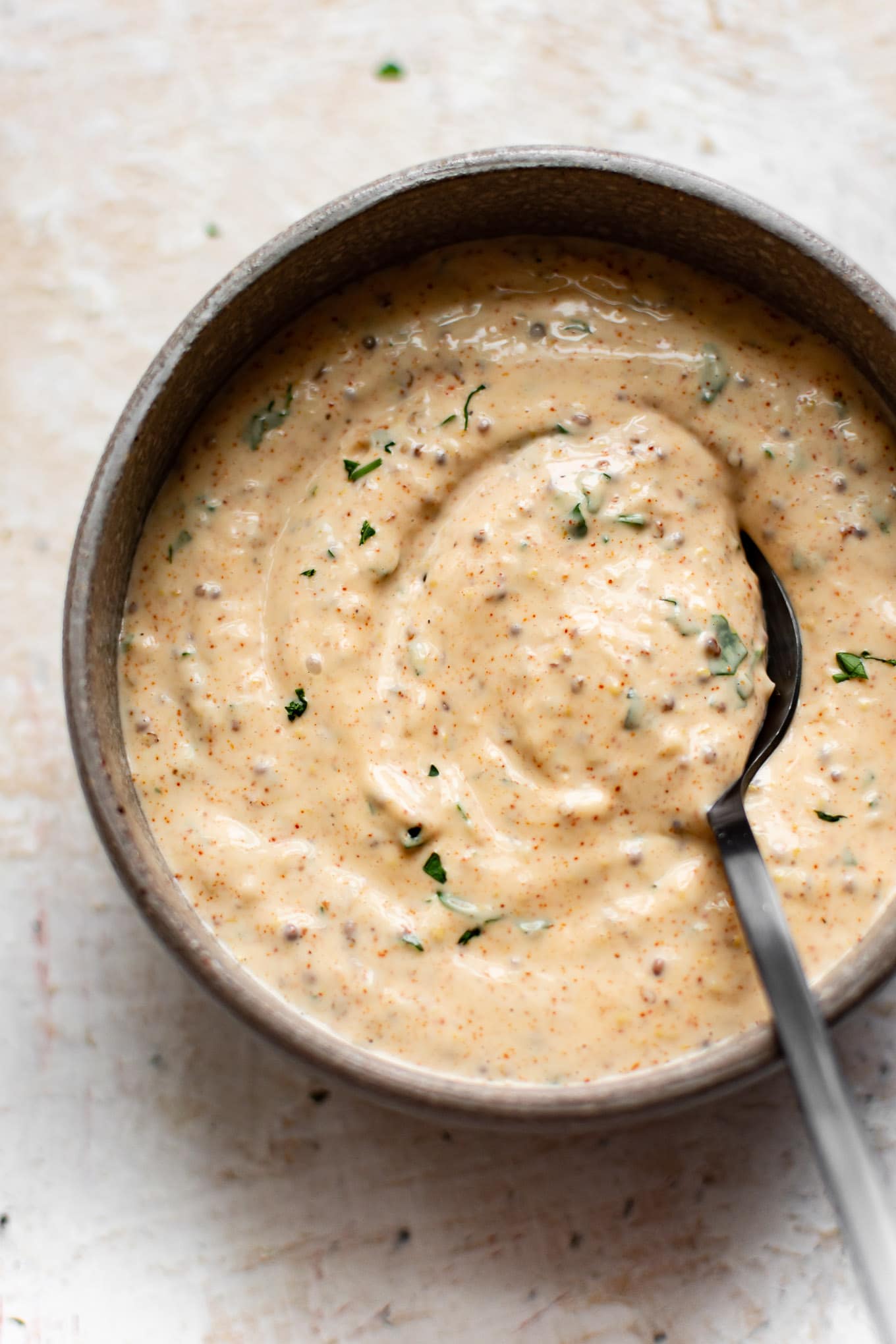
The Best remoulade recipe
What I love most about this remoulade is how versatile it is. It’s got that classic Southern flair, but it’s not overly heavy or rich, so it works for all kinds of meals. The base is mayo and mustard, but the herbs, capers, and a little hot sauce give it so much depth. Plus, it’s packed with flavor without being loaded with calories, which is always a win in my book. I’ve even used Greek yogurt instead of mayo for a lighter version, and it still tastes amazing. It keeps well in the fridge for a few days, so I always make a big batch—it’s one of those things that tastes even better the next day. If you’re looking for a sauce that’s simple, delicious, and always a hit, this is the one.
Classic Remoulade Sauce
A creamy, tangy, and slightly spicy French-inspired sauce perfect for seafood, sandwiches, or as a dip. This remoulade recipe balances mayonnaise, mustard, and capers for a bold flavor.
🥘Ingredients
- 1 cup mayonnaise
- 2 tbsp Dijon mustard
- 1 tbsp whole-grain mustard
- 1 tbsp capers, finely chopped
- 1 tbsp cornichons or dill pickles, finely chopped
- 1 tbsp fresh parsley, finely chopped
- 1 tbsp fresh chives, finely chopped
- 1 tsp lemon juice
- 1 tsp Worcestershire sauce
- 1 tsp hot sauce (e.g., Tabasco)
- 1 small garlic clove, minced
- ½ tsp paprika (smoked or sweet)
- ½ tsp salt
- ¼ tsp black pepper
👨🍳Directions
-
1
In a medium mixing bowl, combine the mayonnaise, Dijon mustard, and whole-grain mustard. Whisk until smooth. -
2
Add the chopped capers, cornichons, parsley, chives, lemon juice, Worcestershire sauce, hot sauce, and minced garlic. Stir well to incorporate. -
3
Sprinkle in the paprika, salt, and black pepper. Mix thoroughly until all ingredients are evenly distributed. -
4
Taste and adjust seasoning if needed—add more lemon juice for tang, hot sauce for heat, or salt for balance. -
5
Transfer the remoulade to an air-tight container and refrigerate for at least 30 minutes before serving to allow flavors to meld. -
6
Serve chilled as a dip for seafood (like shrimp or crab cakes), a spread for sandwiches, or a topping for burgers.
🔧Equipment
- Mixing bowl
- Whisk
- Cutting board
- Knife
- Measuring spoons
- Air-tight container (for storage)
📊Nutrition Facts (per serving)
📝Notes
Watch Video Of How Classic Remoulade Sauce Works
❓ Frequently Asked Questions About Remoulade Sauce
1. What is remoulade sauce, and how is it different from tartar sauce?
Remoulade is a cold, tangy sauce that originated in France but has variations across Europe and the U.S. (especially Louisiana-style). It typically includes mayonnaise, mustard, capers, herbs, and spices like paprika or cayenne. Unlike tartar sauce, which is simpler (mayo, pickles, and lemon), remoulade often has a more complex flavor with ingredients like horseradish, anchovies, or hot sauce, giving it a bolder, spicier kick.
2. Can I make remoulade sauce ahead of time?
Yes! Remoulade actually tastes better when made ahead because the flavors have time to meld. Store it in an airtight container in the fridge for up to 5 days. If it thickens too much, stir in a little water or lemon juice to loosen it before serving.
3. What dishes pair best with remoulade sauce?
Remoulade is incredibly versatile. Classic pairings include:
– Seafood: Fried shrimp, crab cakes, or po’ boys (Louisiana-style).
– Meats: Roast beef sandwiches, fried chicken, or grilled sausages.
– Vegetables: Crudités, roasted potatoes, or as a dip for fries.
– Salads: Drizzled over coleslaw or potato salad for extra zing.
4. Can I substitute ingredients if I don’t have everything on hand?
Absolutely! Remoulade is flexible. Here are common swaps:
– Mayo: Greek yogurt or sour cream (for a tangier twist).
– Mustard: Dijon, whole-grain, or even a pinch of dry mustard powder.
– Pickles/capers: Chopped olives, relish, or a splash of pickle juice.
– Hot sauce: A dash of cayenne or smoked paprika for heat.
– Herbs: Fresh parsley or chives if you don’t have tarragon or dill.
5. Is remoulade sauce spicy?
It depends on the recipe! Traditional French remoulade is mild, while Louisiana-style versions often pack heat from hot sauce, cayenne, or Creole seasoning. You can adjust the spice level by adding more or less hot sauce, jalapeños, or red pepper flakes. Taste as you go and customize it to your preference.
