
english scones recipe

The Best english scones recipe
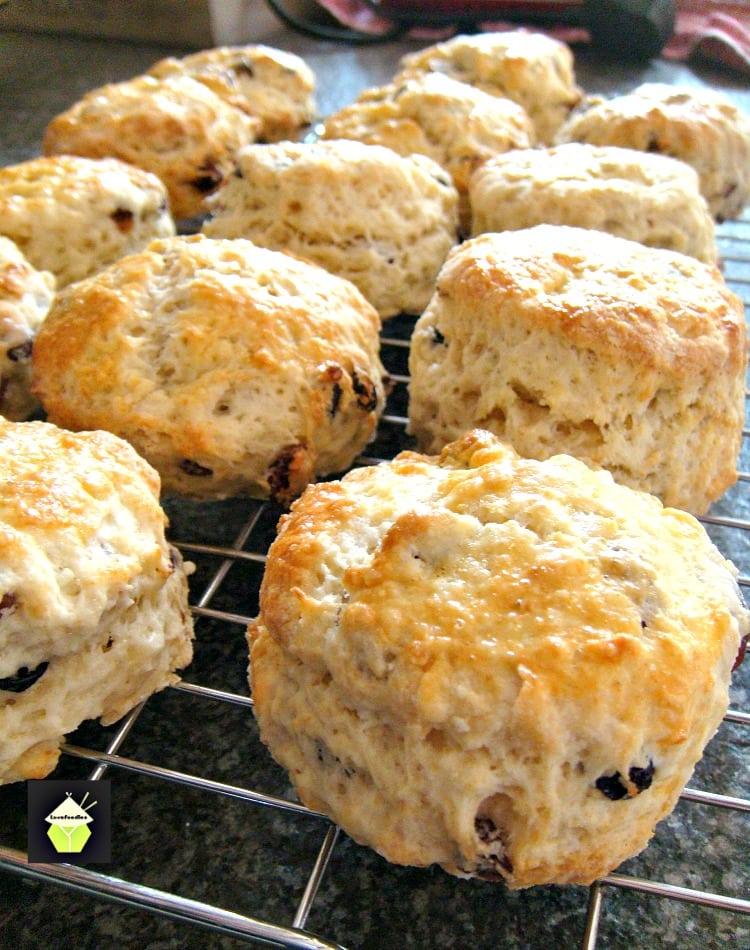
Classic English Scones
A traditional British treat made with buttermilk, flour, and butter, perfect for dipping in jam or tea. Light, fluffy, and slightly sweet.
🥘Ingredients
- 2 cups (250g) all-purpose flour
- 1 tbsp baking powder
- 1 tsp salt
- 1 cup (240ml) buttermilk
- 6 tbsp (85g) cold unsalted butter, cubed
- 2 tbsp unsalted butter, softened
- 1 tbsp powdered sugar
- 1 tsp vanilla extract
👨🍳Directions
-
1
Preheat oven to 400°F (200°C). Line a baking sheet with parchment paper. -
2
In a large bowl, whisk together flour, baking powder, and salt. Cut in the cold butter using a pastry cutter or your fingers until the mixture resembles coarse crumbs. -
3
Gradually add buttermilk while stirring with a fork until a dough forms. Let rest for 10 minutes. -
4
Roll the dough to 1/4-inch thickness. Cut into circles using a scone cutter or glass. -
5
In a small bowl, mix softened butter, powdered sugar, and vanilla. Brush or sprinkle lightly over scones. -
6
Bake for 12–15 minutes until golden brown. Allow cooling on a wire rack.
🔧Equipment
- Mixing bowls
- Rolling pin
- Scone cutter (or glass for shaping)
- Baking sheet
- Oven
📊Nutrition Facts (per serving)
📝Notes
Tips
- For extra flavor, add 1 tsp lemon zest to the dough.
- Store scones in an airtight container for up to 3 days or freeze for longer storage.
- Substitute buttermilk with plain yogurt for a lighter option.
Watch Video Of How Classic English Scones Works
❓ Frequently Asked Questions About English Scones
1. What is the secret to achieving a perfect crumbly texture in English scones?
The key to a perfect crumbly texture lies in cold, well-chilled butter—cut into the flour before adding it to the dry ingredients. This creates a tender, flaky structure. Also, avoid overmixing, and ensure your butter is firm enough to cut with a knife. For extra flakiness, use unsalted butter and fold it gently into the dough rather than kneading it.
—
2. Can I substitute butter for another fat (like oil or margarine) in English scones, and if so, what’s the best alternative?
While butter is traditional, you can use melted coconut oil (for a slightly sweeter taste) or shortening (for a denser, more stable texture). Avoid vegetable oil—it won’t create the same tender, buttery layers. If using oil, replace half the butter with it (e.g., 60g butter + 30g oil), but keep the dough cold to maintain structure.
—
3. Why do my scones turn out dense or crumbly instead of light and airy?
Dense scones often result from overworking the dough (especially with butter) or not chilling it long enough. To fix this:
– Cut butter into flour first, then fold it gently.
– Chill the dough for at least 30 minutes (or up to 24 hours) before baking.
– Ensure your oven is properly preheated (400°F/200°C) and use a baking stone or tray for even heat.
– If using a mix-in (like jam or cheese), distribute it evenly and lightly—don’t overpack the dough.
—
4. How can I make my English scones extra moist and flavorful?
For extra moisture and depth, try these tweaks:
– Add 1–2 tbsp cold milk or cream to the dry ingredients (helps bind without making them gummy).
– Sprinkle a pinch of sugar into the butter before cutting it into flour for a subtle sweetness.
– Fold in 1 tbsp cold black treacle or molasses (traditional in some recipes) for a caramelized flavor.
– Top with a dusting of powdered sugar after baking for a fresh, sweet finish.
– For jam-filled scones, press the jam lightly into the center (don’t overfill) and brush with egg wash before baking for a glossy look.
—
5. Can I bake English scones in a muffin tin or air fryer instead of a regular pan?
Yes! Here’s how to adapt:
– Muffin Tin Method: Cut scones into 1-inch rounds (like mini muffins), bake at 375°F (190°C) for 12–15 minutes until golden. Use a toothpick to check doneness.
– Air Fryer Method: Cut scones into 1.5-inch rounds, place on a tray, and air fry at 350°F (175°C) for 8–10 minutes, flipping halfway. They’ll be crispier than traditional scones but still tender.
– Note: The texture may differ slightly—traditional scones benefit from a butterproof layer, so if using these methods, ensure your butter is cold and folded in properly.
