
beef shoulder roast recipe

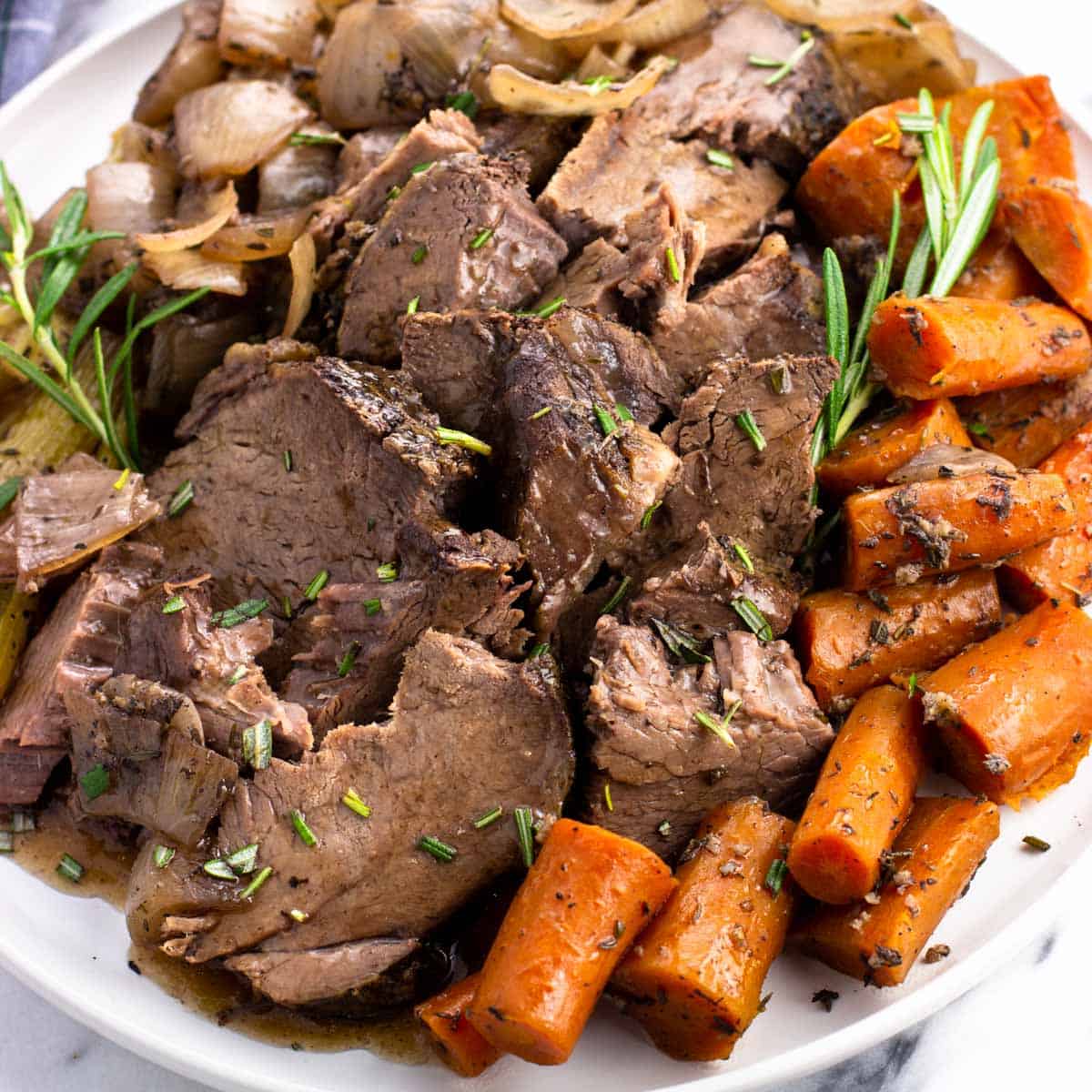
The Best beef shoulder roast recipe
What I love most about this recipe is how simple it is without sacrificing flavor. A beef shoulder roast is an affordable cut, but when you cook it low and slow, it transforms into something rich and satisfying. I usually throw in some garlic, onions, and a splash of broth, and let the oven do the rest. It’s packed with protein, iron, and B vitamins, which makes me feel good about serving it to my family. Plus, the leftovers reheat beautifully, so it’s perfect for meal prep or feeding a crowd without the stress. Whether it’s a cozy weekend dinner or a weeknight meal that doesn’t require much effort, this beef shoulder roast has become a staple in our house.
Slow-Cooked Beef Shoulder Roast with Herbs
A tender and flavorful beef shoulder roast slow-cooked with aromatic herbs, garlic, and red wine for a rich, savory dish. Perfect for Sunday dinners or special occasions, this melt-in-your-mouth roast pairs beautifully with mashed potatoes or roasted vegetables.
🥘Ingredients
- 1 (3-4 lb) beef shoulder roast, trimmed of excess fat
- 2 tbsp olive oil
- 1 tbsp kosher salt
- 1 tbsp black pepper
- 1 tbsp smoked paprika
- 1 tsp dried thyme
- 1 tsp dried rosemary
- 1 tsp garlic powder
- 1 large onion, sliced
- 4 garlic cloves, minced
- 2 carrots, chopped
- 2 celery stalks, chopped
- 1 cup red wine (such as Cabernet Sauvignon)
- 2 cups beef broth
- 2 tbsp tomato paste
- 2 bay leaves
- 1 tbsp Worcestershire sauce
- 1 tbsp Dijon mustard
- Fresh parsley, chopped
- Fresh rosemary sprigs
👨🍳Directions
-
1
Preheat your oven to 325°F (165°C). Pat the beef shoulder roast dry with paper towels and season generously on all sides with salt, black pepper, smoked paprika, thyme, rosemary, and garlic powder. -
2
Heat the olive oil in a large Dutch oven over medium-high heat. Sear the beef on all sides until deeply browned, about 3-4 minutes per side. Remove the beef and set it aside on a plate. -
3
In the same Dutch oven, add the sliced onion, minced garlic, chopped carrots, and celery. Cook for 5-6 minutes, stirring occasionally, until the vegetables begin to soften. -
4
Pour in the red wine, scraping the bottom of the pot with a wooden spoon to deglaze and release any browned bits. Let the wine reduce by half, about 3-4 minutes. -
5
Stir in the beef broth, tomato paste, bay leaves, Worcestershire sauce, and Dijon mustard. Return the beef to the pot, along with any accumulated juices. The liquid should come about halfway up the roast. -
6
Cover the Dutch oven with a lid and transfer it to the preheated oven. Cook for 3-4 hours, or until the beef is fork-tender and easily shreds with a fork. -
7
Once done, carefully remove the beef from the pot and let it rest on a cutting board, tented loosely with aluminum foil, for 10-15 minutes. -
8
While the beef rests, skim any excess fat from the cooking liquid. Bring the liquid to a simmer on the stovetop and reduce slightly for a thicker sauce, if desired. -
9
Slice or shred the beef and arrange it on a serving platter. Spoon the sauce and vegetables over the top. Garnish with fresh parsley and rosemary sprigs before serving.
🔧Equipment
- Large Dutch oven or heavy pot with lid
- Cutting board
- Chef’s knife
- Tongs
- Measuring spoons
- Wooden spoon
- Aluminum foil (optional)
📊Nutrition Facts (per serving)
📝Notes
Watch Video Of How Slow-Cooked Beef Shoulder Roast with Herbs Works
❓ Frequently Asked Questions About Slow-Cooked Beef Shoulder Roast with Herbs
1. What is the best way to season a beef shoulder roast?
A beef shoulder roast benefits from a simple yet flavorful seasoning blend. Start with coarse salt and freshly ground black pepper as the base. You can also add garlic powder, onion powder, smoked paprika, rosemary, or thyme for extra depth. For a more robust flavor, marinate the roast overnight in a mixture of olive oil, Worcestershire sauce, soy sauce, minced garlic, and herbs. Rubbing the seasoning generously over the entire surface ensures even flavor distribution.
2. How long should I cook a beef shoulder roast, and at what temperature?
The cooking time for a beef shoulder roast depends on the method and size of the cut. For a 3–4 lb roast, a general guideline is:
– Oven (low and slow): 300–325°F (150–160°C) for 3–4 hours, or until the internal temperature reaches 195–205°F (90–96°C) for tender, pull-apart meat.
– Slow cooker: 6–8 hours on low or 4–5 hours on high.
– Instant Pot/Pressure Cooker: 60–90 minutes on high pressure, followed by a natural release.
Always use a meat thermometer to check doneness—overcooking can make the roast dry, while undercooking may leave it tough.
3. Should I sear the beef shoulder roast before cooking?
Searing the roast before cooking is highly recommended. It creates a flavorful crust through the Maillard reaction, enhancing the overall taste and texture. Heat a tablespoon of oil in a Dutch oven or skillet over high heat, then sear the roast on all sides (about 2–3 minutes per side) until deeply browned. This step is especially important for oven or slow-cooker methods but can be skipped for pressure cooking if short on time.
4. Can I make a beef shoulder roast ahead of time?
Yes! Beef shoulder roast actually tastes better when made ahead of time. The flavors deepen as it rests, and the meat becomes more tender. After cooking, let the roast cool slightly, then shred or slice it and store it in its juices in an airtight container in the refrigerator for up to 3–4 days. Reheat gently in a covered pot with a splash of broth or water to prevent drying out. You can also freeze cooked roast for up to 3 months.
5. What are the best side dishes to serve with beef shoulder roast?
Beef shoulder roast pairs well with hearty, comforting sides. Some great options include:
– Mashed potatoes or creamy polenta (to soak up the juices)
– Roasted root vegetables (carrots, parsnips, potatoes)
– Buttered egg noodles or crusty bread (for serving with gravy)
– Sautéed greens (kale, spinach, or Brussels sprouts)
– A fresh salad or pickled vegetables (to cut through the richness)
For a complete meal, consider serving it with a red wine reduction or horseradish cream sauce.

