
chicken and egg noodle recipe

The Best chicken and egg noodle recipe
I also love how balanced this dish is—protein from the chicken, carbs from the egg noodles, and a little extra nutrition from the veggies we often toss in. It’s not something you’d typically think of as healthy, but the way we make it—with lean chicken, whole wheat noodles if we’re feeling extra mindful, and plenty of flavorful veggies—makes it a surprisingly smart choice. It’s that kind of meal that doesn’t require fancy ingredients or elaborate prep, yet it still feels like a real treat. Plus, it’s always a crowd-pleaser, whether we’re serving it for a Sunday dinner or just because we’re craving something warm and familiar. There’s just something about the way the noodles soak up the sauce that makes it feel like a complete meal in every way.
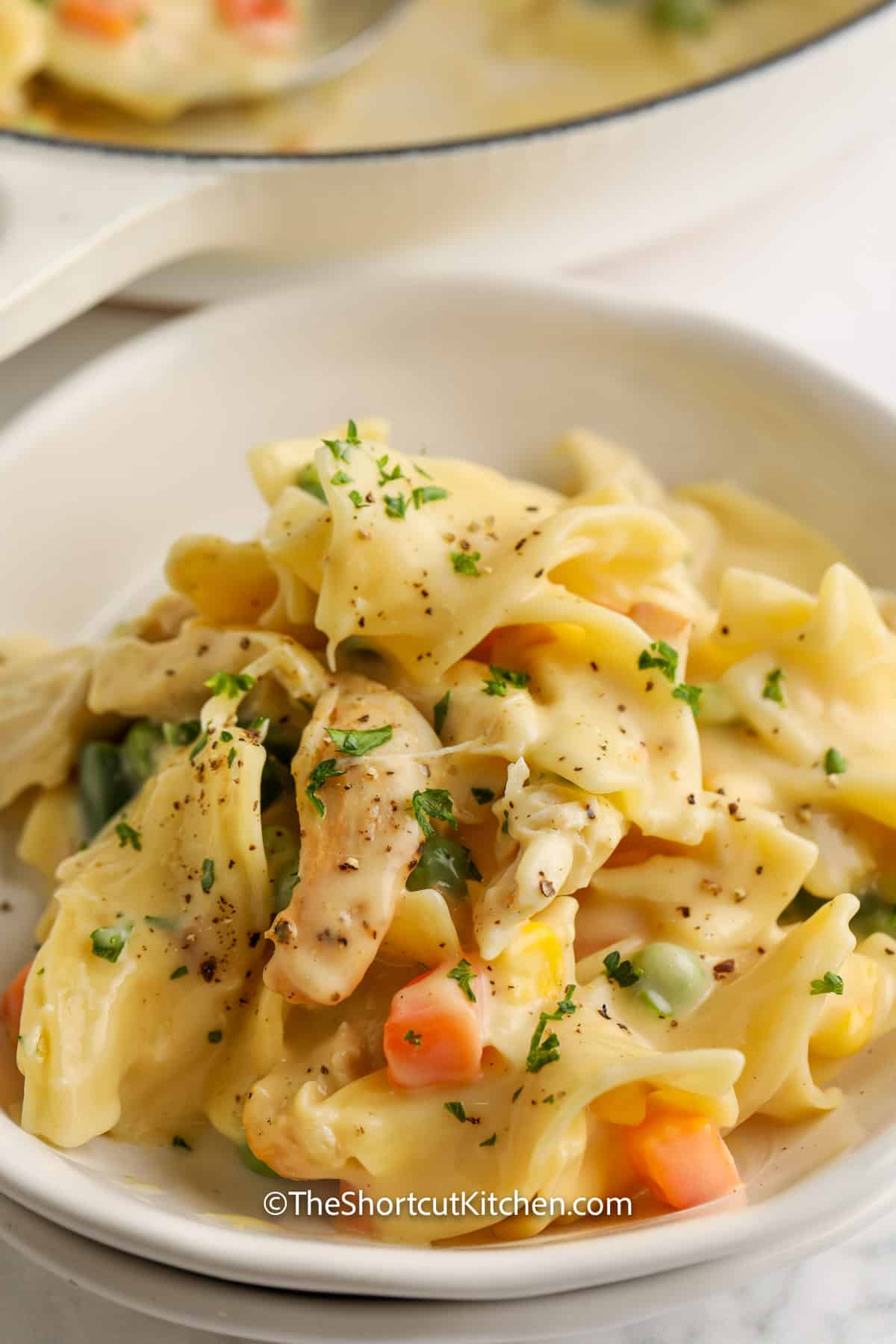
Garlic Butter Chicken and Egg Noodles
A comforting dish featuring tender chicken breast, al dente egg noodles, and a rich garlic butter sauce. Perfect for a quick weeknight meal.
🥘Ingredients
- 4 boneless, skinless chicken breasts
- 2 tbsp olive oil
- 1 tsp garlic powder
- 1 tsp paprika
- ½ tsp salt
- ½ tsp black pepper
- 8 oz egg noodles
- 1 cup chicken broth
- 1 tbsp butter
- 1 tbsp olive oil
- 4 tbsp butter
- 4 cloves garlic, minced
- 1 tbsp lemon juice
- ½ tsp red pepper flakes (optional)
- Salt to taste
👨🍳Directions
-
1
Preheat oven to 375°F (190°C). In a bowl, mix olive oil, garlic powder, paprika, salt, and black pepper. Coat chicken breasts and set aside. -
2
Heat a skillet over medium-high heat. Add chicken breasts and cook for 5-6 minutes per side until golden and cooked through (165°F internal temp). Remove and set aside. -
3
Bring a pot of salted water to a boil. Cook egg noodles according to package instructions until al dente. Drain and rinse with cold water to stop cooking. -
4
In a separate pan, melt butter over medium heat. Add minced garlic and red pepper flakes (if using), sautéing for 30 seconds until fragrant. Stir in lemon juice and season with salt. -
5
In the same pan, add chicken broth and simmer for 2 minutes. Stir in cooked egg noodles and the chicken breasts. Pour the garlic butter sauce over the noodles and chicken, tossing gently to coat evenly.
🔧Equipment
- Large skillet
- Pot with lid
- Mixing bowls
- Knife and cutting board
- Measuring cups and spoons
- Wooden spoon
- Pasta cooker or colander
📊Nutrition Facts (per serving)
📝Notes
- For extra flavor, add a splash of heavy cream or a sprinkle of Parmesan cheese to the sauce.
- Substitute whole wheat noodles for a lighter option.
- Ensure chicken reaches 165°F (74°C) for safe consumption.
Watch Video Of How Garlic Butter Chicken and Egg Noodles Works
❓ Frequently Asked Questions About Garlic Butter Chicken and Egg Noodles
What is the best way to prepare the classic chicken and egg noodles for a perfect texture?
The best way to prepare classic chicken and egg noodles is to cook the noodles al dente (slightly firm to the bite) and drain them immediately after boiling. While still warm, toss them with a well-seasoned sauce made from a combination of cooked chicken, beaten eggs, garlic, butter, and a splash of cream or heavy cream. Stirring gently ensures even coating without breaking the noodles. For extra richness, add a touch of Parmesan cheese or a splash of Worcestershire sauce.
—
How can I ensure the sauce is creamy and smooth without making it too thick?
To achieve a creamy, smooth sauce without it becoming too thick, start by cooking the chicken in a pan with a bit of butter or oil until it’s shredded and fully cooked. Remove it from the pan and set it aside. In the same pan, melt a bit more butter, then add minced garlic and sauté until fragrant. Pour in a small amount of cold chicken broth or milk (about ¼ cup) and let it simmer for a minute to emulsify. Gradually whisk in beaten eggs and heavy cream, stirring continuously to prevent lumps. Return the chicken to the pan and stir gently to combine. Adjust thickness with a splash of broth or cream if needed.
—
Can I make this dish ahead of time and reheat it properly?
Yes, you can prepare the chicken and egg noodles ahead of time, but reheating them properly is key to maintaining texture and flavor. Store the cooked noodles and sauce in an airtight container in the fridge for up to 3 days. When reheating, gently warm the noodles and sauce in a saucepan over medium-low heat, stirring frequently to prevent sticking. For best results, add a splash of broth or water to help loosen the mixture. If the sauce thickens too much, thin it with a little cream or milk. For a quicker option, you can reheat it in the microwave, but stir frequently to avoid overheating.
—
What are some great side dishes to pair with chicken and egg noodles?
Chicken and egg noodles pair well with a variety of sides that complement its rich, creamy flavor. Some great options include:
– Garlic bread or crusty bread to soak up the sauce.
– Steamed or sautéed green beans for a fresh contrast.
– Roasted asparagus with lemon and herbs.
– Simple salad with mixed greens, cherry tomatoes, and a light vinaigrette.
– Roasted potatoes for a hearty, comforting side.
– A side of grilled or steamed vegetables like zucchini or bell peppers.
– A light soup like tomato basil or butternut squash for balance.
For a complete meal, consider adding a simple grilled chicken breast or a baked fish like salmon to balance the richness of the noodles.
—
Why does my chicken and egg noodles sauce sometimes turn out grainy or lumpy?
A grainy or lumpy sauce in chicken and egg noodles usually happens due to one of these common mistakes:
1. Not whisking enough – Eggs and cream can separate if not blended thoroughly, especially when cooking. Always whisk continuously while cooking to prevent clumping.
2. Using cold ingredients – Beating cold eggs or cream can create lumps. Ensure your eggs are at room temperature, and if using cold cream, warm it slightly before adding.
3. Overcooking the eggs – If the eggs are cooked too long, they can curdle. Stir gently and cook just until the sauce thickens smoothly.
4. Adding too much at once – Pouring cold broth or milk directly into the hot pan can cause separation. Instead, simmer a small amount first to emulsify before adding more.
5. Using low-quality or old ingredients – Fresh, high-quality eggs and cream work best. Avoid using overly thick or processed dairy products that may not blend well.
To fix it, strain the sauce through a fine-mesh sieve if needed, or gently reheat with a splash of warm milk or cream to help smooth it out.


