
dill pickle relish recipe

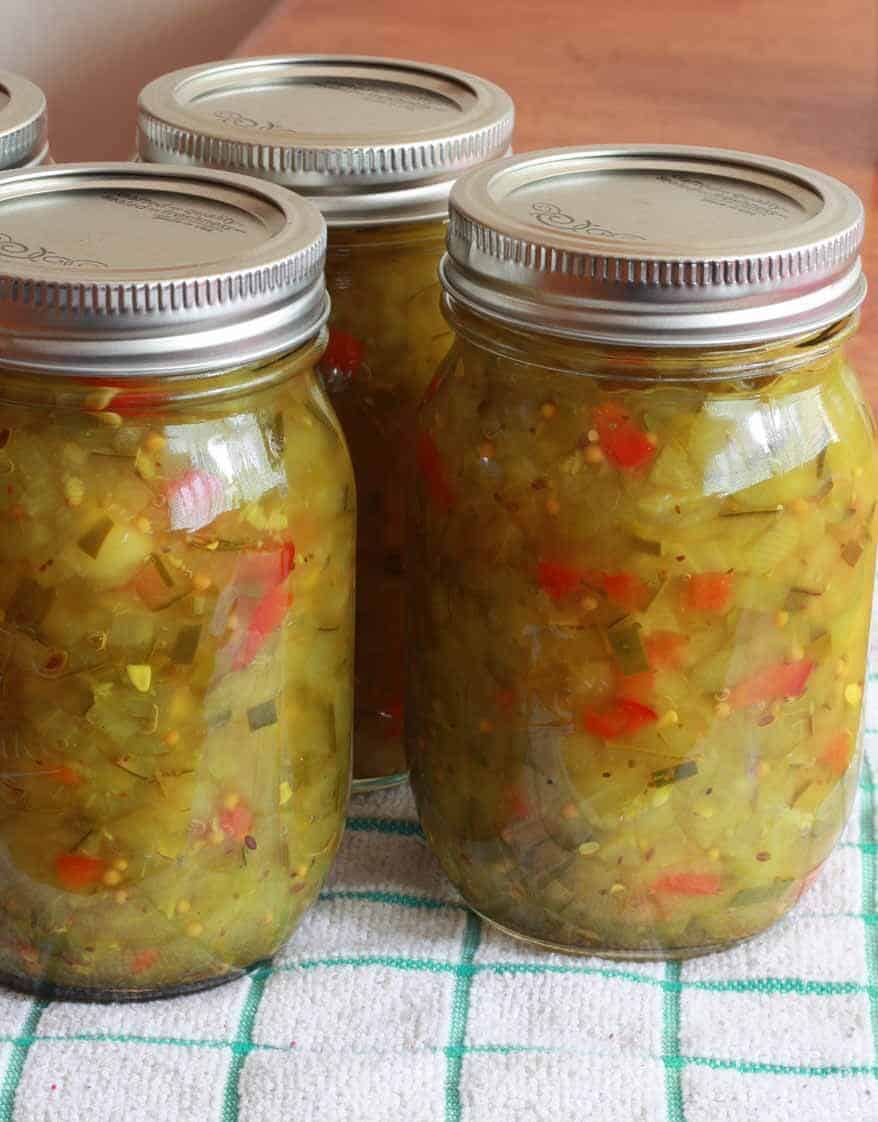
The Best dill pickle relish recipe
What I love most about this recipe is how versatile it is. It’s not just for special occasions—though it’s always a hit at picnics and barbecues—but it’s also perfect for everyday eating. Plus, it’s a great way to use up those extra cucumbers from the garden before they go to waste. And let’s talk about the health benefits for a second: cucumbers are low in calories but packed with hydration and fiber, and when you make relish at home, you control the sugar and salt, so it’s a much healthier option than store-bought versions. It’s a small thing, but it’s one of those little wins that makes cooking feel worth it.
Homemade Dill Pickle Relish
A tangy and crunchy dill pickle relish perfect for hot dogs, burgers, or as a zesty condiment. This homemade version is fresher and more flavorful than store-bought alternatives.
🥘Ingredients
- 2 cups finely chopped dill pickles (about 8-10 medium pickles)
- 1/2 cup finely chopped white onion
- 1/4 cup finely chopped red bell pepper
- 1/4 cup finely chopped green bell pepper
- 1 tbsp fresh dill, finely chopped
- 1 tbsp granulated sugar
- 1 tsp mustard seeds
- 1 tsp celery seeds
- 1/2 tsp turmeric (for color)
- 1/2 tsp salt
- 1/4 tsp black pepper
- 1/2 cup white vinegar
- 1/4 cup water
👨🍳Directions
-
1
Finely chop the dill pickles, onion, and bell peppers. Place them in a mixing bowl along with the fresh dill. -
2
In a medium saucepan, combine the vinegar, water, sugar, mustard seeds, celery seeds, turmeric, salt, and black pepper. Bring to a gentle boil over medium heat, stirring until the sugar dissolves. -
3
Pour the hot vinegar mixture over the chopped vegetables in the bowl. Stir well to combine. -
4
Let the mixture sit at room temperature for 10 minutes to allow the flavors to meld. -
5
Drain the relish through a fine-mesh strainer to remove excess liquid, pressing gently to extract as much liquid as possible without squeezing out the vegetables. -
6
Transfer the relish to an airtight container and refrigerate for at least 1 hour before serving to enhance the flavor. -
7
Store the relish in the refrigerator for up to 2 weeks.
🔧Equipment
- Cutting board
- Chef’s knife
- Mixing bowl
- Medium saucepan
- Fine-mesh strainer
- Airtight container or jar for storage
📊Nutrition Facts (per serving)
📝Notes
Watch Video Of How Homemade Dill Pickle Relish Works
❓ Frequently Asked Questions About Dill Pickle Relish
1. What type of pickles should I use for homemade dill pickle relish?
You can use either fresh cucumbers (preferably pickling cucumbers) or store-bought dill pickles. If using fresh cucumbers, soak them in a saltwater brine for a few hours before chopping to enhance their flavor. For a quicker option, finely chop jarred dill pickles—just drain them well to avoid excess liquid in your relish.
2. Can I make dill pickle relish without a food processor?
Absolutely! While a food processor makes chopping faster, you can finely dice the pickles by hand with a sharp knife. For a chunkier texture, aim for small, even pieces. If you prefer a smoother relish, chop the pickles as finely as possible or pulse them in a blender in small batches.
3. How long does homemade dill pickle relish last, and how should I store it?
Homemade dill pickle relish typically lasts 1–2 weeks in the refrigerator when stored in an airtight container. For longer storage, you can process it in a water bath canner for 6–12 months (follow proper canning guidelines for safety). Always use clean utensils to scoop out relish to prevent contamination.
4. Why is my relish too watery, and how can I fix it?
Excess liquid usually comes from undrained pickles or cucumbers. To fix it, drain the chopped pickles thoroughly in a fine-mesh strainer, pressing out extra liquid with a spoon. You can also let the relish sit in the strainer for 10–15 minutes before mixing in other ingredients. If it’s still too thin, add a small amount of cornstarch or tapioca starch (1 tsp at a time) to thicken it.
5. Can I adjust the sweetness or tanginess of the relish?
Yes! For a sweeter relish, add more sugar (start with 1–2 extra tbsp) or a pinch of sweetener like honey. For extra tang, increase the vinegar (1 tbsp at a time) or add a splash of lemon juice. Taste as you go—balance is key! If you prefer a milder flavor, reduce the mustard seeds or onion slightly.

