
deer meat backstrap recipe

The Best deer meat backstrap recipe
I love this recipe because it’s foolproof—no one gets burnt or dry meat when you follow it exactly. The backstrap is a leaner cut than steaks, so it’s lighter than beef but just as satisfying. My husband and I have hosted a few dinner parties with this dish, and people always comment on how good it tastes, even if they’ve never eaten venison before. My kids love the fact that it’s a “real” meal, not just processed junk, and they’re always excited to try new things when they know it’s going to be good. The health benefits are real too—venison is lower in fat than beef, and it’s packed with B vitamins and zinc, which helps keep everyone’s energy up. It’s not just a meal; it’s a way to connect with nature and make sure the whole family eats well without feeling like they’re missing out. Plus, it’s versatile—you can serve it with mashed potatoes, roasted veggies, or even just a simple green salad. No fancy sides needed, just good food.
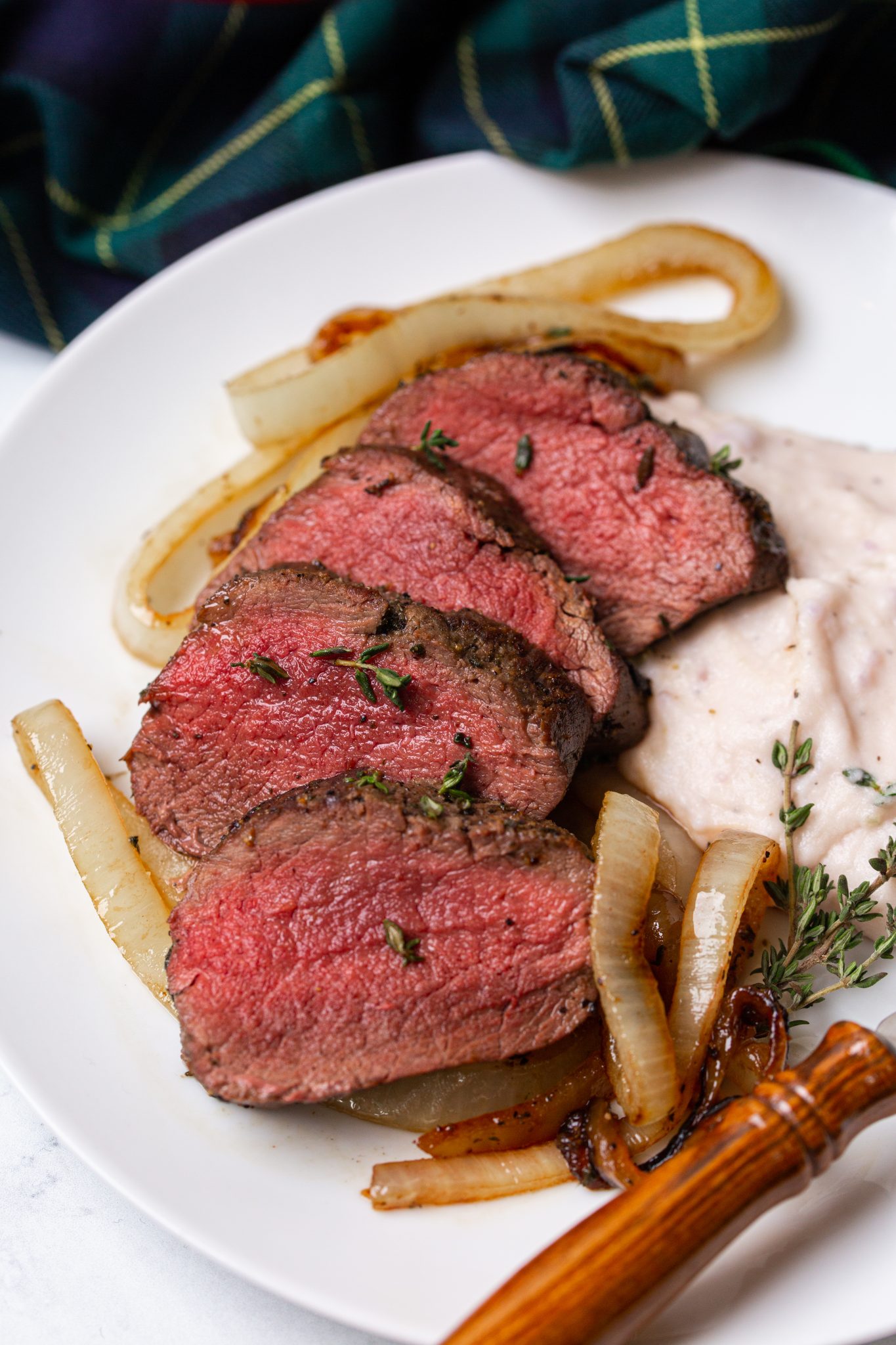
Deer Meat Backstrap with Herb Butter Sauce
A tender and flavorful recipe for deer meat backstrap seasoned with herbs and finished with a rich tomato-based herb butter sauce. Perfect for a hearty, lean meal.
🥘Ingredients
- 2 lbs deer backstrap (thinly sliced)
- 2 tbsp olive oil
- 2 tbsp Worcestershire sauce
- 2 tbsp soy sauce
- 1 tbsp brown sugar
- 1 tbsp smoked paprika
- 1 tsp black pepper
- 1 tsp garlic powder
- 1 tsp onion powder
- 1 tsp dried thyme
- 1 tsp dried rosemary
- ½ cup unsalted butter
- ¼ cup fresh parsley, finely chopped
- ¼ cup fresh thyme leaves
- 2 cloves garlic, minced
- 2 tbsp lemon juice
- 1 tbsp Dijon mustard
- Salt to taste
- 1 cup beef or vegetable broth
- 1 tbsp apple cider vinegar
- 1 tsp honey
👨🍳Directions
-
1
Preheat oven to 375°F (190°C). In a large bowl, combine olive oil, Worcestershire sauce, soy sauce, brown sugar, smoked paprika, black pepper, garlic powder, onion powder, thyme, and rosemary. Add deer meat and coat evenly with the mixture. Let it marinate for at least 30 minutes. -
2
In a food processor, blend butter, parsley, thyme leaves, garlic, lemon juice, Dijon mustard, and a pinch of salt until smooth. Set aside. -
3
In a bowl, mix beef or vegetable broth, apple cider vinegar, and honey. Pour this marinade over the deer meat and let it marinate for another 30 minutes. -
4
Preheat a skillet or baking dish over medium-high heat. Add the marinated deer meat and cook for 5-7 minutes per side until browned. Pour the herb butter sauce over the meat and stir gently to coat. Transfer to the preheated skillet or dish. -
5
Place the skillet or dish in the oven and bake for 45-55 minutes, or until the meat reaches an internal temperature of 145°F (63°C) and is tender. If needed, cover loosely with foil to prevent drying. -
6
Remove from oven and let rest for 10 minutes before serving. Garnish with fresh herbs if desired.
🔧Equipment
- Large mixing bowl
- Cutting board
- Sharp knife
- Food processor or mortar and pestle
- Oven-safe skillet or baking dish
- Mixing spoon
- Measuring cups and spoons
📊Nutrition Facts (per serving)
📝Notes
Tips
- Ensure the deer meat is properly thawed before slicing to avoid tearing.
- For extra tenderness, consider slicing the meat against the grain.
- Adjust the spice levels to suit your preference.
- This dish pairs well with roasted potatoes or a fresh green salad.
Substitutions: {“herb butter”:”Use a mix of olive oil and a blend of fresh herbs like basil and oregano for a different flavor profile.”,”marinade”:”Substitute apple cider vinegar with red wine vinegar if available.”}
Watch Video Of How Deer Meat Backstrap with Herb Butter Sauce Works
❓ Frequently Asked Questions About Deer Meat Backstrap with Herb Butter Sauce
What is the backstrap technique for deer meat preparation, and why is it effective?
The backstrap technique involves hanging the deer carcass by the hind legs (backstrap) to allow the meat to hang in a relaxed position. This method is effective because it prevents the meat from being subjected to excessive pressure or compression from the shoulders or other parts of the carcass, which can cause bruising or uneven cooking. It also allows the meat to hang freely, promoting even marbling and tenderness. The backstrap helps in breaking down connective tissues more effectively, resulting in a more tender and flavorful final product.
—
How long does the hanging time typically take for deer meat prepared using the backstrap method?
The hanging time for deer meat using the backstrap method generally ranges from 7 to 14 days, depending on factors like the deer’s age, size, and the desired level of tenderness. Younger deer (typically under 12 months) may require less time (around 7 days), while older or larger deer (over 12 months) may need up to 2 weeks. The key is to let the meat age properly to allow enzymes to break down muscle fibers and connective tissue for optimal tenderness.
—
What are the key steps in preparing deer meat using the backstrap technique, from butchering to cooking?
1. Butchering & Hanging: After field dressing, split the deer carcass into quarters and hang it by the backstrap (hind legs) in a cool, dry environment (ideally 32–40°F / 0–4°C) for the aging period.
2. Aging: Monitor the meat daily, ensuring it stays at the correct temperature and humidity. Remove from the backstrap after aging if you plan to cook it immediately.
3. Trimming & Seasoning: Trim excess fat and connective tissue, then season generously with salt, pepper, and optional herbs (e.g., rosemary, thyme, garlic). Let the meat rest for at least 1–2 hours before cooking.
4. Cooking Methods: Deer meat is versatile—grill, roast, braise, or slow-cook. For backstrap, a low-and-slow method (e.g., 200–225°F / 93–107°C for 3–4 hours) works best to retain moisture and tenderness.
5. Resting & Serving: Let the meat rest for 10–15 minutes before slicing to retain juices. Pair with a rich gravy, mashed potatoes, or a simple herb butter.
—
Can deer meat prepared with the backstrap method be used for different dishes, or is it best suited for specific recipes?
Deer meat from the backstrap is incredibly versatile and works well in various dishes, but its tender, lean texture makes it ideal for:
– Grilled or roasted dishes (e.g., venison steaks, kebabs, or whole roasted deer).
– Slow-cooked or braised meals (e.g., venison stews, ragouts, or pulled venison).
– Ground or ground-based recipes (e.g., venison burgers, meatballs, or tacos).
– Dry-aged or smoked preparations (if aged longer, it can be used in smoked sausages or jerky).
While it’s not strictly limited to one recipe, its mild, gamey flavor pairs beautifully with rich sauces, herbs, and slow cooking methods to enhance its natural taste.
—
What are the best tips for ensuring the deer meat remains tender and flavorful after aging and cooking?
1. Temperature Control: Keep the meat in a consistently cool environment (below freezing is safest) to prevent bacterial growth while allowing proper aging.
2. Humidity & Airflow: Use a ventilated cooler or hanging rack to maintain moisture levels—too much humidity causes mold, while too little dries out the meat.
3. Avoid Over-Aging: While aging improves tenderness, overdoing it (beyond 2 weeks) can make the meat tough. Remove from the backstrap if it’s not needed for long-term storage.
4. Seasoning Timing: Salt and pepper the meat before cooking to enhance flavor and help retain moisture. Avoid over-seasoning before hanging.
5. Cooking Method Matters: For backstrap, low-and-slow cooking (e.g., 165°F / 74°C internal temp for medium-rare) is key. If braising, use a liquid-based method to keep the meat moist.
6. Rest the Meat: Always let cooked deer meat rest before slicing to redistribute juices. This step is critical for tenderness.
7. Experiment with Marinades: For extra flavor, marinate the meat in apple cider vinegar, Worcestershire sauce, or beer before cooking—especially for grilling or barbecuing.
