
carne en su jugo recipe

The Best carne en su jugo recipe
What I also appreciate about carne en su jugo is how easy it is to customize. We like to add a little garlic and onion for extra depth, or maybe a dash of cumin if we’re feeling adventurous, but the base recipe—simple beef in a flavorful broth—stays true to its roots. It’s a meal that feels special, but doesn’t require a lot of fuss. My husband always says it’s the kind of dish that makes him feel like he’s been treated, even when it’s just sitting on the stove for a few hours. And honestly? It’s not just delicious—it’s also surprisingly good for you. The broth is packed with collagen and gelatin from the slow cooking, which helps with digestion, and the lean beef is a great source of protein and iron. Plus, it’s so filling that it keeps you satisfied without feeling heavy, which is perfect for a meal that’s both comforting and nutritious. Whether you’re serving it for a holiday feast or just a regular night in, this recipe is always a winner.
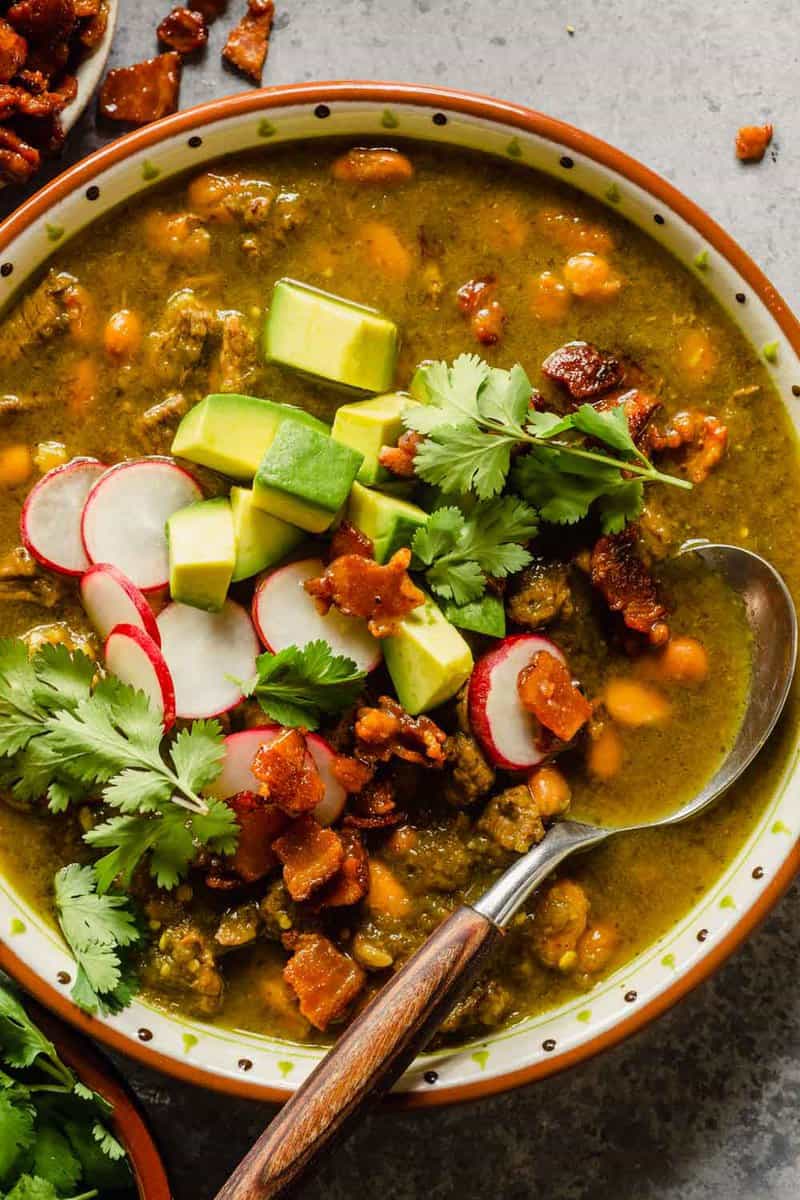
Carne en Su Jugo (Beef in Its Juices)
A classic Mexican dish featuring tender beef slow-cooked in its own juices with aromatic spices, perfect for a comforting meal. The tender meat absorbs the rich, flavorful broth, making it a hearty and satisfying dish.
🥘Ingredients
- 2 lbs (900g) beef chuck roast, cut into 2-inch pieces
- 2 tbsp olive oil
- 1 lb (450g) beef bones or tripe (optional)
- 8 cups beef broth
- 1 large onion, quartered
- 8 garlic cloves, peeled
- 1 bay leaf
- 1 tsp ground cumin
- 1 tsp dried oregano
- 1 tsp smoked paprika
- 1 tsp salt (adjust to taste)
- ½ tsp black pepper
- 1 cup water
- Fresh cilantro, chopped
- Lime wedges
- Crumbled queso fresco
👨🍳Directions
-
1
In a large pot, heat olive oil over medium-high heat. Season beef pieces with salt, pepper, and a pinch of cumin. Sear beef on all sides until browned (about 3-4 minutes per side). Remove beef and set aside. -
2
In the same pot, add beef bones (if using), onion, garlic, bay leaf, and remaining spices. Stir to combine and cook for 2 minutes until fragrant. -
3
Pour in beef broth and water, scraping up any browned bits from the bottom of the pot. Bring to a simmer, then add the seared beef back into the pot. Reduce heat to low. -
4
Cover the pot and cook on low heat for 2 hours, or until beef is fork-tender. If using an oven, transfer the pot to a preheated 275°F (135°C) oven and cook for another 1.5 hours. -
5
Remove the beef from the pot, discarding bones if desired. Strain the broth through a fine-mesh sieve to remove solids (optional but recommended for a smoother sauce). Return the broth to the pot and simmer for 10 minutes to thicken slightly. -
6
Serve the beef in its juices, garnished with fresh cilantro, lime wedges, and crumbled queso fresco if desired.
🔧Equipment
- Heavy-bottomed pot or Dutch oven
- Wooden spoon
- Measuring cups and spoons
- Knife and cutting board
- Oven-safe dish (optional, for serving)
📊Nutrition Facts (per serving)
📝Notes
Tips
- For extra flavor, add a splash of vinegar (like apple cider vinegar) to the broth while simmering.
- Use a mix of beef and pork bones for a richer broth.
- Let the beef rest in the broth for 10 minutes before serving to ensure maximum tenderness.
- This dish pairs well with warm tortillas, rice, or crusty bread.
Adaptations
- For a quicker version, use pre-cooked beef or ground beef instead of chuck roast.
- Substitute beef broth with chicken broth for a lighter option.
Watch Video Of How Carne en Su Jugo (Beef in Its Juices) Works
❓ Frequently Asked Questions About Carne en Su Jugo (Beef in Its Juices)
1. What is the origin of the “carne en su jugo” recipe, and why is it traditionally prepared this way?
Carne en su jugo, or “meat in its own broth,” is a classic Mexican dish with roots in colonial-era Mexico. The tradition stems from the Spanish influence during the 16th century, where they adapted indigenous techniques to prepare meat in its natural juices. This method was practical, as it allowed the meat to cook slowly in its own broth, retaining moisture and flavor. Over time, it became a staple in Mexican cuisine, especially during holidays and family gatherings, as it’s hearty and comforting.
2. How long does it typically take to cook carne en su jugo, and what factors affect the cut of meat used?
Carne en su jugo usually takes 4 to 6 hours of slow cooking, depending on the cut of meat. The longer cooking time ensures the meat becomes tender and absorbs the rich broth flavors. Common cuts include chuck, brisket, or short ribs, as these are forgiving and become succulent when broken down slowly. Factors like the meat’s thickness, fat content, and whether it’s bone-in or boneless also influence cooking time.
3. What ingredients are essential for making authentic carne en su jugo, and can you substitute any of them?
The core ingredients include beef (preferably chuck or brisket), garlic, onion, bay leaves, cumin, oregano, and a splash of vinegar or lime juice for brightness. While traditional recipes use these, you can adjust spices like paprika, cloves, or chili powder for extra depth. For broth, some home cooks add potatoes or carrots for extra flavor, but the meat’s natural juices should remain the foundation. If using a less tender cut, you might add a bit of tomato paste for richness.
4. Why does the recipe often include a splash of vinegar or lime juice, and what happens if you skip it?
The vinegar or lime juice in carne en su jugo acts as a tenderizer and adds a tangy contrast to the rich, savory broth. It helps break down collagen in the meat, making it more tender. Skipping it may result in a slightly firmer texture, though the meat will still be flavorful. Some chefs argue that the natural acidity from the broth itself (from herbs and spices) can substitute, but a small splash enhances the dish’s balance.
5. How can you make carne en su jugo more flavorful if you’re not using traditional spices?
If you’re looking to boost flavor beyond the basics, try adding:
– A splash of beef or chicken stock (instead of just water) for depth.
– A pinch of sugar to balance acidity if using vinegar.
– Fresh cilantro or parsley at the end for brightness.
– A bay leaf and a few black peppercorns for aromatic warmth.
– A dash of Worcestershire sauce (optional) for umami richness.
Experimenting with small tweaks can elevate the dish without straying too far from tradition.


