
sourdough cookie recipe

The Best sourdough cookie recipe
What makes these cookies special for me is how versatile they are. You can make them for a simple afternoon snack with a cup of tea, or you can bake a big batch for holiday gatherings—whether it’s Christmas morning or a summer potluck. They’re great for kids because they’re not too heavy, and the sourdough starter adds a little probiotic goodness that’s actually good for them. I also love that they’re naturally gluten-free if you use a gluten-free starter, though I still use regular for the best flavor. No one has to feel left out, and no one has to worry about extra sugar or refined flour. Plus, the process of feeding the starter and waiting for it to rise is a little ritual—it’s like baking has its own little routine, and that’s something I enjoy. My family loves how they stay fresh for days, how they hold up in a box, and how they just taste better the next day after sitting out. It’s that kind of comfort food that doesn’t feel like a chore to make.
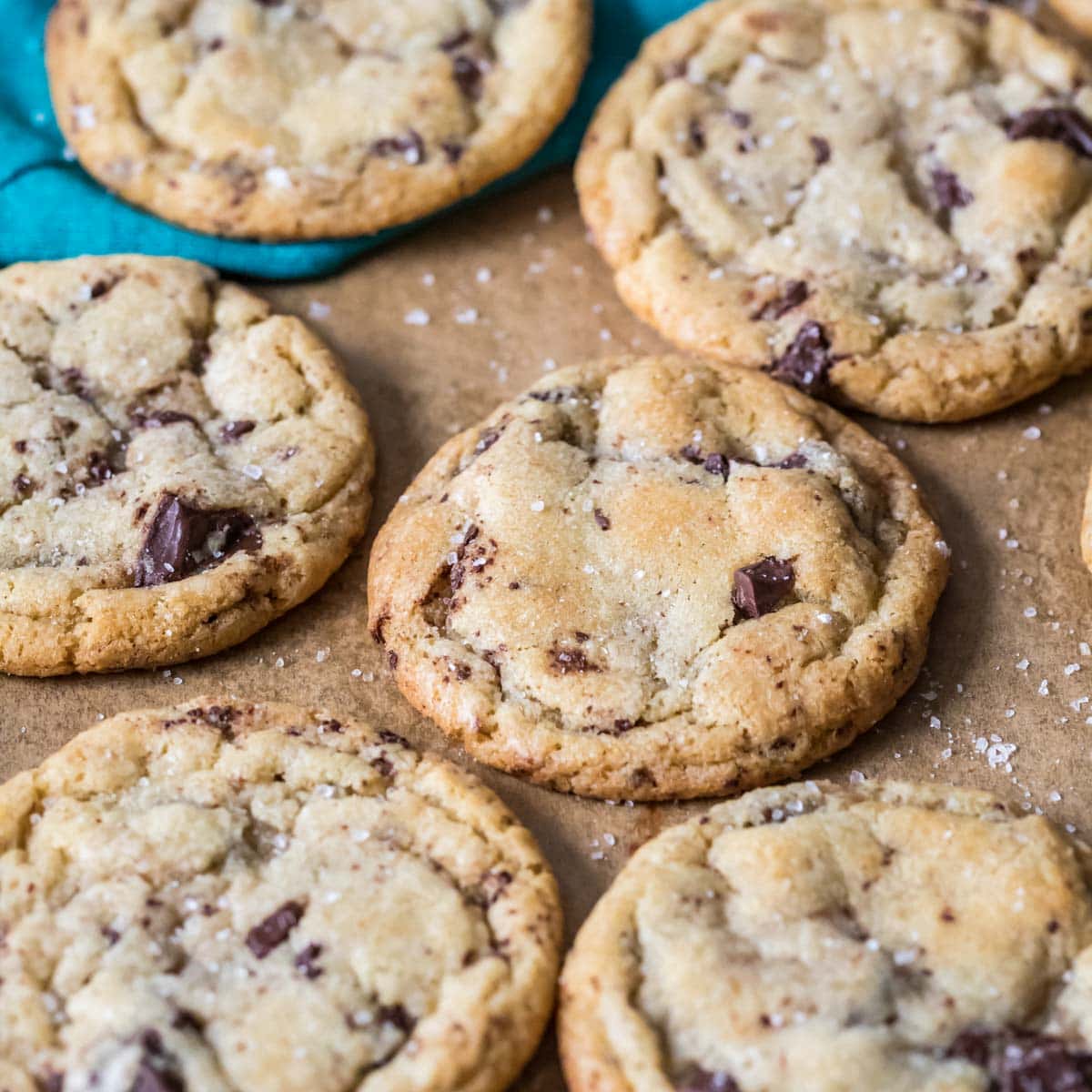
Classic Sourdough Cookies
Delicious, chewy sourdough cookies made with a simple starter and natural flavors. Perfect for breakfast or dessert!
🥘Ingredients
- 100g active sourdough starter (fed 4-6 hours ago)
- 50g warm water (60-70°F)
- 2 ½ cups (315g) all-purpose flour
- 1 tsp salt
- ½ tsp baking soda
- ½ cup (115g) unsalted butter, softened
- ½ cup (100g) granulated sugar
- 1 large egg
- 1 tsp vanilla extract
- 1 cup (150g) chopped nuts or chocolate chips (optional)
👨🍳Directions
-
1
Feed your sourdough starter by mixing the starter with warm water. Let it sit for 4-6 hours until doubled in size. -
2
Preheat oven to 350°F (175°C). Line two baking sheets with parchment paper. -
3
In a large bowl, combine flour, salt, and baking soda. Add softened butter, sugar, egg, and vanilla. Mix until combined. -
4
Fold in the starter and any optional nuts or chocolate chips. Let the dough rest for 30 minutes. -
5
Scoop dough into 1.5-tablespoon balls and place them 2 inches apart on the prepared baking sheets. -
6
Bake for 10-12 minutes until edges are golden. Allow cookies to cool on the baking sheet for 5 minutes before transferring to a wire rack.
🔧Equipment
- Mixing bowls (2)
- Whisk or wooden spoon
- Measuring cups and spoons
- Rolling pin
- Baking sheets
- Parchment paper
- Oven thermometer (optional)
📊Nutrition Facts (per serving)
📝Notes
Tips
- Ensure your starter is active and bubbly for best results.
- Chill dough for 30 minutes if it’s too sticky.
- For extra chewiness, bake slightly longer or slightly under.
- Store in an airtight container at room temperature for up to 5 days.
Variations
- Add ½ cup chopped walnuts or pecans for a nutty flavor.
- Mix in white chocolate chips for a sweet twist.
- Use whole wheat flour for a healthier option.
Watch Video Of How Classic Sourdough Cookies Works
❓ Frequently Asked Questions About Sourdough Cookies
How long should I let the sourdough discard rest before baking?
For optimal texture and flavor, let your sourdough discard rest at room temperature for about 1 to 2 hours before baking. If your kitchen is warm, you can extend this to 2–3 hours to allow the gluten to relax further. Avoid refrigerating the discard unless you’re baking the next day, as it can make the cookies denser.
—
Can I use a mix of sourdough discard and regular flour in my recipe?
Yes! You can replace part of the all-purpose flour with sourdough discard (typically 25–50% of the total flour) for a slightly tangier, chewier texture. For example, if your recipe calls for 2 cups flour, you could use 1.5 cups all-purpose flour + ½ cup sourdough discard. Just ensure the total liquid (including milk or egg) is adjusted to maintain proper hydration.
—
What happens if I skip the initial bulk fermentation of the sourdough?
Skipping bulk fermentation (the first rise where the discard ferments naturally) can result in denser, underproofed cookies with less flavor. If you’re in a hurry, you can bake the cookies right after mixing (no rest), but they’ll be firmer and less airy. For best results, aim for at least 1–2 hours of bulk fermentation at room temp.
—
Why are my sourdough cookies turning out flat or crumbly?
Several factors can cause flat or crumbly cookies:
– Overproofed discard: If the discard was too active (e.g., bubbly or sticky), it can make the dough too soft, leading to spreading. Use stiff, slightly sticky discard for best results.
– Underproofed dough: If baked too soon, the cookies won’t rise properly. Wait until the discard is doubled in size (if active) or at least relaxed (if resting).
– Too much liquid: Check your recipe’s liquid-to-flour ratio. Sourdough needs slightly less liquid than traditional cookies.
– High heat or overmixing: Avoid baking at too high a temp (above 350°F/175°C) or mixing the dough too vigorously, which can compact the structure.
—
How can I make my sourdough cookies chewier instead of crispy?
For chewier cookies:
1. Use more sourdough discard (up to 50% of the flour)—it adds moisture and tang.
2. Add an extra egg or yogurt (½–1 extra egg or 2 tbsp yogurt per recipe) to boost structure.
3. Chill the dough for 30–60 minutes before baking to slow fermentation and prevent spreading.
4. Use slightly less sugar (reduce by 1–2 tbsp)—sugar promotes browning and crispiness.
5. Bake at a lower temp (325°F/163°C) for slightly longer to prevent over-browning.
6. Add ½ cup chopped nuts or oats for extra texture.
