
sweet rice recipe

The Best sweet rice recipe
What I love most about sweet rice is how it’s packed with nutrients. The sticky rice itself is a great source of energy, and when we add a little bit of coconut milk or brown sugar, it becomes even more balanced. My family and I have noticed that it helps keep us full longer, and it’s a great way to sneak in some extra fiber and vitamins without anyone even realizing it. Plus, it’s so easy to customize—whether we’re making it with fresh fruit like mango or banana slices, or just keeping it simple with a drizzle of honey and toasted nuts. It’s a recipe that’s perfect for special occasions because it feels festive and special, but it’s also something we can make every week without ever getting tired of it. My husband always says it’s the kind of dish that makes the whole meal feel lighter, like a little extra love in every bite. And honestly? It’s one of those few recipes that actually tastes better the next day, so I always have leftovers to enjoy.
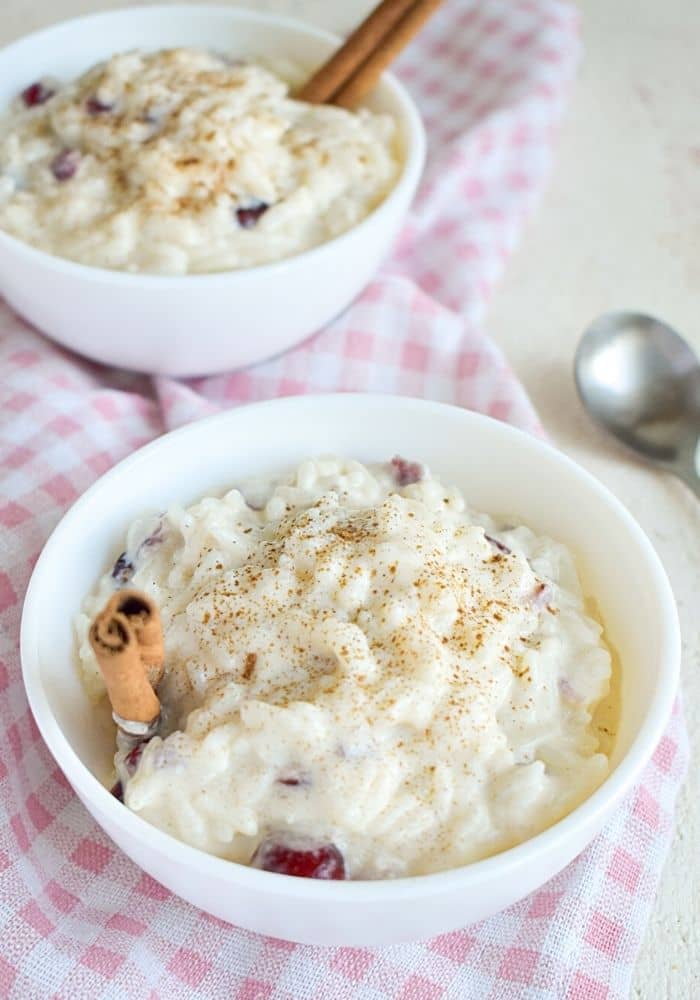
Classic Japanese Sweet Rice (Anmitsu)
A delightful Japanese dessert featuring steamed white rice topped with sweet red bean paste, fruit, and a drizzle of syrup. Light, fluffy, and bursting with flavors.
🥘Ingredients
- 2 cups glutinous rice (sweet rice flour or short-grain white rice)
- 1 cup water
- 1 tsp sugar
- 1 cup sweet red bean paste (or substitute with 1 cup adzuki beans cooked and mashed)
- ½ cup sugar
- ½ cup water
- 1 tbsp mirin (or 1 tbsp honey + 1 tbsp water)
- ½ cup sliced strawberries
- ½ cup sliced persimmons (or pineapple)
- 1 tbsp toasted sesame seeds
- 1 tbsp black sesame seeds
- 1 tbsp toasted coconut flakes
👨🍳Directions
-
1
Rinse the glutinous rice thoroughly under cold water until the water runs clear. Drain well. -
2
In a steamer basket, combine rice and water. Place over medium heat and cover with a lid. Steam for 15 minutes. Remove from heat and let sit, covered, for 10 minutes. Fluff with a fork. -
3
While rice steams, prepare the syrup: In a saucepan, combine sugar, water, and mirin. Simmer over medium heat until sugar dissolves completely. Remove from heat and let cool. -
4
Place steamed rice in a baking dish or shallow dish. Spread a thin layer of sweet bean paste evenly over the rice. Drizzle the cooled syrup over the bean paste. -
5
Arrange sliced strawberries, persimmons, and other fruit on top of the rice. Sprinkle with toasted sesame seeds, black sesame seeds, and coconut flakes.
🔧Equipment
- Steamer or rice cooker
- Mixing bowls
- Small saucepan
- Baking dish (or shallow dish)
- Spatula
📊Nutrition Facts (per serving)
📝Notes
Tips
- For extra fluffiness, let the rice rest after steaming for up to 20 minutes.
- Use ripe persimmons for a sweeter flavor. If unavailable, substitute with fresh pineapple chunks.
- Adjust syrup sweetness by adding more sugar or mirin as needed.
- Serve immediately for the best texture and presentation.
Substitutions
- For a gluten-free option, ensure all ingredients are certified gluten-free.
- Swap red bean paste for a mix of mashed adzuki beans and a touch of sugar if needed.
Watch Video Of How Classic Japanese Sweet Rice (Anmitsu) Works
❓ Frequently Asked Questions About Japanese Sweet Rice (Anmitsu)
1. What is the primary difference between sweet rice and regular glutinous rice in terms of preparation?
Sweet rice, particularly in recipes like Korean Bingsu or Japanese Mochi, is typically made from 100% glutinous rice (also called sweet rice or mochigome), which has a higher starch content and lacks the usual protein found in regular rice. This makes it sticky and chewy when cooked. Regular rice (like white or jasmine rice) lacks this starch, so it doesn’t have the same texture. For sweet rice dishes, the rice is usually boiled until it becomes a soft, translucent paste, which is then shaped into balls, cakes, or layered in desserts.
—
2. How do I ensure my sweet rice remains soft and not dry or crumbly during storage?
To keep sweet rice fresh and soft, store it properly:
– Cool quickly after cooking by transferring it to a bowl and letting it sit in a cold place for 10–15 minutes before covering.
– Use an airtight container (glass or ceramic is best to prevent moisture loss) and store at room temperature (not in the fridge) for up to 1 week—if kept cold, it can dry out faster.
– Rehydrate before use: If the rice feels dry, soak it in warm water for 10–15 minutes, then gently press it with a fork or spoon to restore moisture. Avoid reheating in water, as it can make it mushy.
—
3. Can I substitute regular rice for sweet rice in a recipe, and if so, what adjustments should I make?
No, you cannot substitute regular rice for sweet rice in most recipes without altering the texture. However, if you must, you can try:
– Soaking regular rice in water for 1–2 hours before cooking to soften it, but it won’t be as sticky.
– Adding a small amount of cornstarch or tapioca starch (1–2 tbsp per cup of rice) to mimic the stickiness, but the texture will still differ.
– Using a mix of rice and starch (e.g., 70% regular rice + 30% cornstarch) for a closer result, but the rice will lack the signature chewiness.
For best results, stick to 100% glutinous rice for dishes like mochi or bingsu.
—
4. What are the best ways to make sweet rice balls (mochi) soft and pliable for rolling or shaping?
Making soft, pliable mochi requires patience and the right technique:
1. Cook the rice properly: Boil glutinous rice in a 1:1.5 rice-to-water ratio (e.g., 1 cup rice + 1.5 cups water) until it turns translucent and soft—this takes 45–60 minutes. Drain and let it cool slightly.
2. Steam the rice: Cover the rice with a damp cloth and steam for 15–20 minutes at 180°C (350°F) to ensure even softness.
3. Mix with starch: For extra stickiness, blend the rice with 1–2 tbsp cornstarch or tapioca starch (or 1 tbsp per cup of rice) while warm to prevent lumping.
4. Chill before shaping: Let the mixture cool to room temperature, then refrigerate for 1–2 hours to firm up slightly before rolling.
5. Roll gently: Use a wooden rolling pin or plastic wrap to roll the dough into balls or shapes—avoid pressing too hard, as it can make it dense.
—
5. Can I use sweet rice in savory dishes, and if so, which ones work best?
Sweet rice is traditionally used in desserts, but you can experiment with savory dishes where its sticky, chewy texture adds contrast:
– Korean Dwaejigogi (Steamed rice rolls): Use glutinous rice for a softer, more tender filling compared to regular rice.
– Japanese Onigiri (Rice balls): Sweet rice can be used for a sweeter twist, often filled with salmon, pickled plum (umeboshi), or sweet soy sauce.
– Thai Khao Niao Mamuang (Sticky rice with mango): A savory-sweet combo where the rice’s stickiness holds ingredients like coconut milk or spicy sauces.
– Mexican Arroz Rojo (Red rice): While usually made with regular rice, sweet rice can add a unique texture when mixed with tomatoes and spices.
Tip: For savory dishes, avoid overcooking the rice—it should still be slightly firm to hold shape.

