
buckwheat pancake recipe

The Best buckwheat pancake recipe
I’ve made these for family gatherings, Sunday brunch with friends, and even just a quiet morning at home. They’re versatile enough for special occasions but also so easy to whip up on a regular day. The kids and I love that they’re quick to make—no fancy ingredients, just a few simple steps—and they reheat beautifully if you’re in a rush. Plus, buckwheat is a whole grain, so it’s a healthier swap for regular flour without sacrificing flavor. My husband even says they’re the only thing that makes his coffee taste like a breakfast meal, and honestly, I don’t know what I’d do without that. They’re the kind of recipe that feels like a warm hug in every bite.
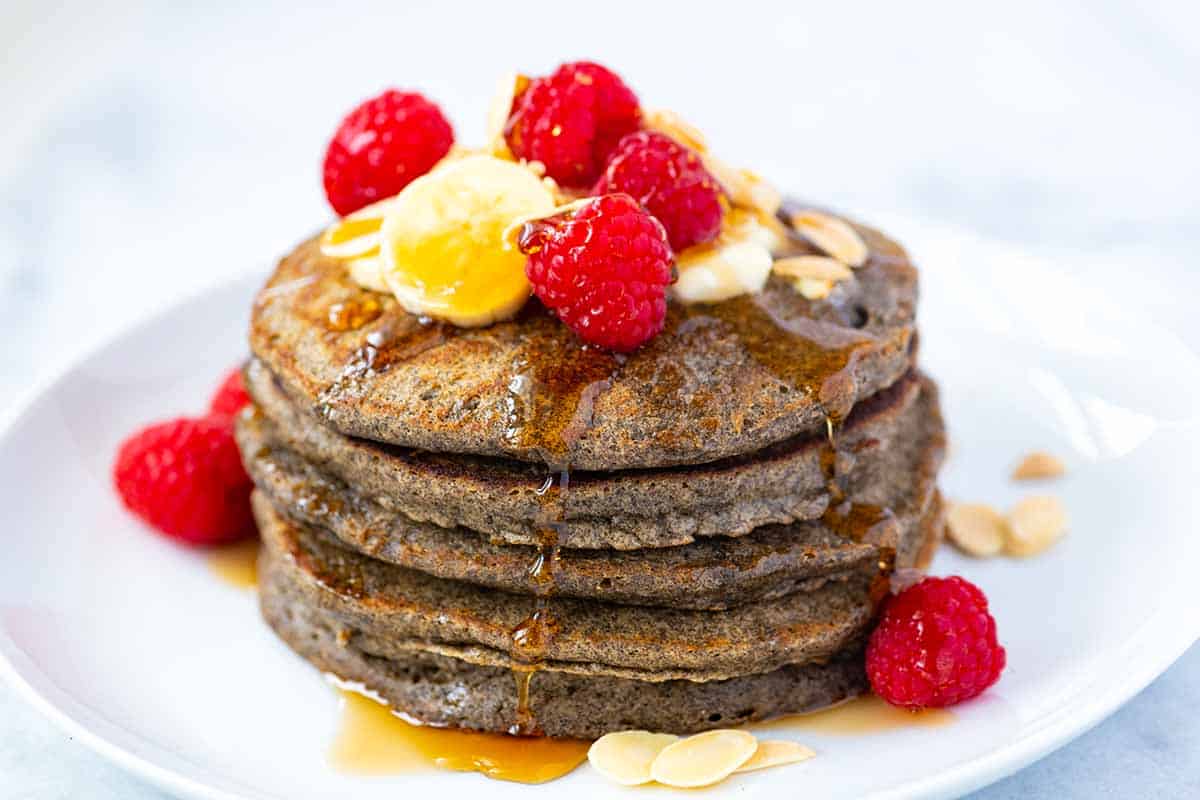
Buckwheat Pancakes with Classic Tomato Sauce
A hearty buckwheat pancake dish topped with a savory tomato sauce, perfect for a wholesome breakfast or brunch. Buckwheat adds a nutty flavor and high fiber content.
🥘Ingredients
- 1 cup buckwheat flour
- 1 cup all-purpose flour
- 1 tbsp baking powder
- 1 tsp salt
- 1 large egg
- 1 cup milk (or plant-based milk)
- 1 tbsp melted butter
- 1 tsp vanilla extract
- ½ cup grated zucchini (optional)
- 1 cup crushed tomatoes
- ½ cup tomato sauce
- 1 small onion, finely diced
- 2 cloves garlic, minced
- 1 tbsp olive oil
- ½ tsp dried oregano
- ½ tsp red pepper flakes (optional)
- Salt and black pepper to taste
👨🍳Directions
-
1
Preheat a skillet or griddle over medium heat. Lightly grease with butter or oil. -
2
In a large bowl, whisk together buckwheat flour, all-purpose flour, baking powder, salt, and grated zucchini (if using). -
3
In a separate bowl, beat the egg, then stir in milk, melted butter, and vanilla extract. Pour wet ingredients into the dry ingredients and mix until just combined. -
4
Heat olive oil in a pan over medium heat. Pour ¼ cup of batter per pancake and cook until bubbles form on the surface (~2 minutes). Flip and cook another 1-2 minutes until golden brown. -
5
In a saucepan, heat tomato sauce, diced onion, minced garlic, and oregano over medium heat. Simmer for 5-7 minutes until thickened. Season with salt, pepper, and red pepper flakes if desired. -
6
Once pancakes are cooked, transfer them to a plate. Spoon the tomato sauce evenly over the pancakes and serve warm.
🔧Equipment
- Mixing bowls
- Whisk or fork
- Large non-stick skillet or griddle
- Wooden spoon
- Knife and cutting board
- Measuring cups and spoons
📊Nutrition Facts (per serving)
📝Notes
Tips
- For extra fluffiness, let pancakes rest for 5 minutes before serving.
- Substitute milk with almond milk or oat milk for a dairy-free option.
- Add a sprinkle of cheese or fresh herbs like chives or parsley on top.
- Store leftovers in an airtight container for up to 3 days or freeze for up to 1 month.
Variations
- Add a dollop of Greek yogurt or sour cream on top for creaminess.
- Mix in cooked and diced ham or bacon for a savory twist.
Watch Video Of How Buckwheat Pancakes with Classic Tomato Sauce Works
❓ Frequently Asked Questions About Buckwheat Pancakes with Tomato Sauce
1. What is the best way to prepare buckwheat flour for buckwheat pancakes?
Buckwheat flour should be sifted before use to remove any fine dust or debris. If you’re using a mix of buckwheat and all-purpose flour (common for softer pancakes), combine them in equal parts or adjust based on your preference—buckwheat alone gives a denser, nuttier texture, while mixing it with all-purpose flour makes the pancakes lighter and easier to cook.
2. Can I substitute buckwheat flour with another type of flour in buckwheat pancakes?
Yes, but the texture and flavor will change. Common substitutes include:
– Whole wheat flour (for a heartier, earthier taste but still chewy).
– Oat flour (creates a slightly denser, rustic pancake).
– Almond flour (lighter and more delicate, but may require extra binding).
– Rice flour (for a gluten-free, crispier pancake, though it may be less flavorful).
If substituting, reduce the total flour by about 10% to compensate for the different absorption rate.
3. Why do my buckwheat pancakes turn out dense or heavy?
Buckwheat flour absorbs more liquid than all-purpose flour, so a few key factors can contribute to density:
– Overmixing the batter (stir just until combined to avoid tough pancakes).
– Not using enough liquid (buckwheat requires ~120–140% liquid for optimal texture; adjust based on humidity).
– Undercooking them (buckwheat pancakes cook faster than wheat-based ones; check for doneness at 3–4 minutes per side).
– Using cold buckwheat flour (let it sit at room temperature for 15–30 minutes to activate gluten-like properties).
Try adding a splash of milk or yogurt for extra moisture if needed.
4. How can I make buckwheat pancakes fluffier or lighter?
To achieve a softer texture:
– Add baking powder or baking soda (½ tsp per cup of flour) to help lift the pancakes.
– Replace some buckwheat flour with a lighter flour (e.g., 50% buckwheat + 50% all-purpose or whole wheat).
– Use a whisk or mixer to incorporate air into the batter before cooking.
– Cook on medium-low heat to prevent burning the bottom while allowing steam to build.
– Gently fold in mashed banana, applesauce, or yogurt for extra tenderness.
5. Can I make buckwheat pancakes ahead of time and reheat them?
Buckwheat pancakes are best enjoyed fresh but can be stored for short-term use:
– Room temperature: Keep in an airtight container for up to 2 days.
– Fridge: Store for 3–4 days; reheat in a toaster or microwave (add a splash of milk to prevent drying).
– Freezing: Freeze cooked pancakes in a single layer on a tray, then transfer to a bag. Reheat from frozen by cooking directly in a pan (add a bit of butter or oil to prevent sticking).
For best texture, avoid reheating multiple times.


