
recipe with basil

The Best recipe with basil
This recipe is perfect for both quick weeknight dinners and special occasions. You can make a big batch and freeze portions for later, or use it to elevate a simple meal into something special. My family loves it because it’s versatile—you can use it in pasta, on toast, in salads, or even as a dip for veggies. Plus, the health benefits are pretty impressive. Basil is packed with antioxidants, and the olive oil keeps the heart healthy. It’s a great way to get more greens into your diet without making it feel like a chore. Plus, the kids love how it tastes, so it’s a win-win for everyone.
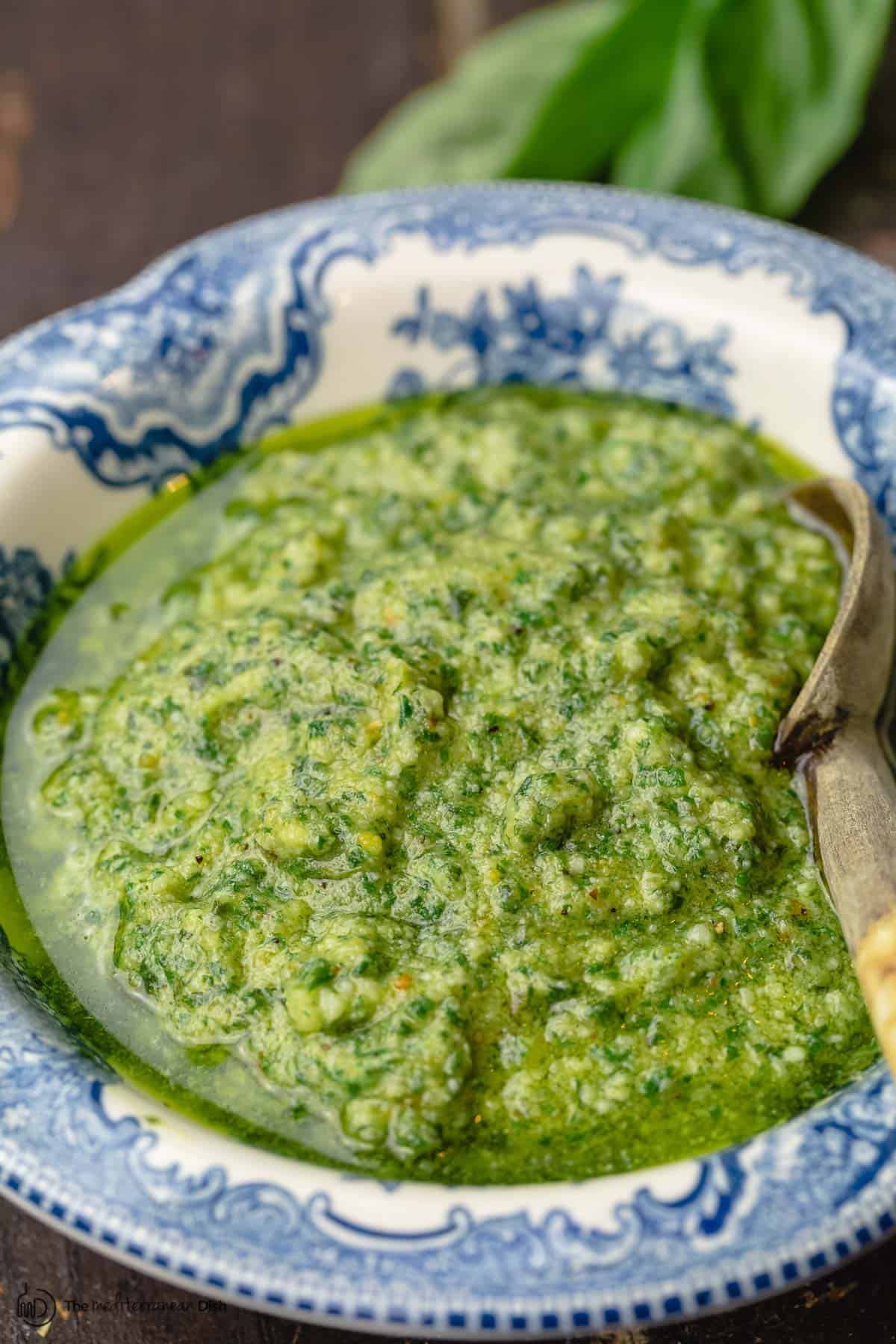
Fresh Basil & Tomato Pasta with Garlic Oil
A vibrant, flavorful pasta dish featuring fresh basil, ripe tomatoes, and a rich garlic-infused oil. Perfect for a quick weeknight meal with a Mediterranean twist.
🥘Ingredients
- 8 oz (225g) spaghetti or linguine
- 1 tbsp olive oil
- 1 cup (240g) cherry tomatoes, halved
- 4 cloves garlic, minced
- 1/4 cup (60ml) fresh basil leaves, chopped
- 1/4 cup (60ml) extra-virgin olive oil
- 1/2 tsp red pepper flakes (optional)
- Salt and black pepper to taste
- Fresh basil leaves (extra for garnish)
- Grated Parmesan cheese (optional)
👨🍳Directions
-
1
Cook pasta according to package instructions in salted boiling water until al dente. Reserve 1/2 cup pasta water before draining. -
2
In a skillet, heat olive oil over medium heat. Add minced garlic and sauté for 30 seconds until fragrant. Add cherry tomatoes and red pepper flakes (if using), cooking for 5-7 minutes until tomatoes soften. -
3
Add chopped fresh basil to the skillet and stir to combine. Remove from heat and let sauce cool slightly. -
4
Toss drained pasta with the garlic-tomato-basil sauce. Add reserved pasta water if needed to achieve a creamy consistency. -
5
Garnish with extra fresh basil leaves and grated Parmesan cheese (if using). Serve immediately.
🔧Equipment
- Large skillet
- Pasta pot
- Fine-mesh strainer
- Mixing bowls
- Wooden spoon
- Knife and cutting board
📊Nutrition Facts (per serving)
📝Notes
Tips
- For extra richness, add a splash of heavy cream or a spoonful of balsamic glaze to the sauce.
- Substitute cherry tomatoes with canned diced tomatoes if fresh are unavailable.
- Ensure garlic is minced finely to avoid bitterness in the sauce.
- Use high-quality olive oil for the best flavor.
Variations
- Add cooked shrimp or chickpeas for a protein-packed twist.
- Sauté spinach or kale with the garlic for a veggie boost.
Watch Video Of How Fresh Basil & Tomato Pasta with Garlic Oil Works
❓ Frequently Asked Questions About Fresh Basil & Tomato Pasta with Garlic Oil
What is the best way to prepare fresh basil for cooking in this recipe?
Fresh basil should be gently rinsed under cold water to remove any dirt, then patted dry with a clean towel or paper towels. For best flavor, use the leaves whole—just chop them finely if needed for texture. If storing, keep stems in a glass of water in the fridge for up to 5 days, changing the water daily.
Can I substitute dried basil for fresh in this recipe, and if so, what’s the ratio?
Yes, you can substitute dried basil, but it’s much more concentrated in flavor. Use 1 tablespoon of dried basil for every 2 tablespoons of fresh basil in the recipe. However, dried basil loses potency quickly, so adjust to taste and consider adding a little extra if the flavor seems weak.
Why does my basil taste bitter after cooking?
Bitter basil often happens when the leaves are overripe, bruised, or cooked too long. To avoid it, use basil that’s bright green and fragrant (avoid wilted or yellowing leaves). For delicate dishes, add basil at the end of cooking—like in pasta or pesto—to preserve its freshness. If using dried basil, start with less and taste as you go.
How can I store basil properly to keep it fresh longer?
For fresh basil, trim the stems and place them in a jar or glass with about an inch of water, then cover loosely with a plastic bag or wrap in a damp paper towel. Store in the fridge for up to 5–7 days. For dried basil, store in an airtight container away from light and heat to maintain flavor for months.
Is it okay to use basil from my garden if it’s been exposed to pesticides?
If your basil is grown organically or you’ve washed it thoroughly with water and a mild vinegar solution (1:1 vinegar and water), it’s generally safe to use. For extra peace of mind, opt for pesticide-free or certified organic basil from reputable sources. Avoid basil that shows signs of chemical residue (e.g., sticky residue or strong chemical smells).

