
gluten free biscuits recipe

The Best gluten free biscuits recipe
What really makes these biscuits special is how they balance simplicity with a little extra care. You can’t go wrong with a mix of almond flour and oat flour—it gives them that light, tender bite without being too dense. And the secret’s in the butter and a little baking powder; it makes them rise just right, so they’re flaky and hearty, not dry or crumbly. My family loves them because they’re quick to make, but they taste like something homemade, not like a store-bought alternative. They’re perfect for breakfast, lunch, or dinner, and they’re even better when they’re warm, straight from the oven. Plus, the health benefits are real—no refined flour, no unnecessary sugars, and they’re packed with fiber and protein from the almond flour. It’s that kind of recipe that makes you feel good about what you’re putting into your family’s meals, without feeling like you’re missing out on anything.
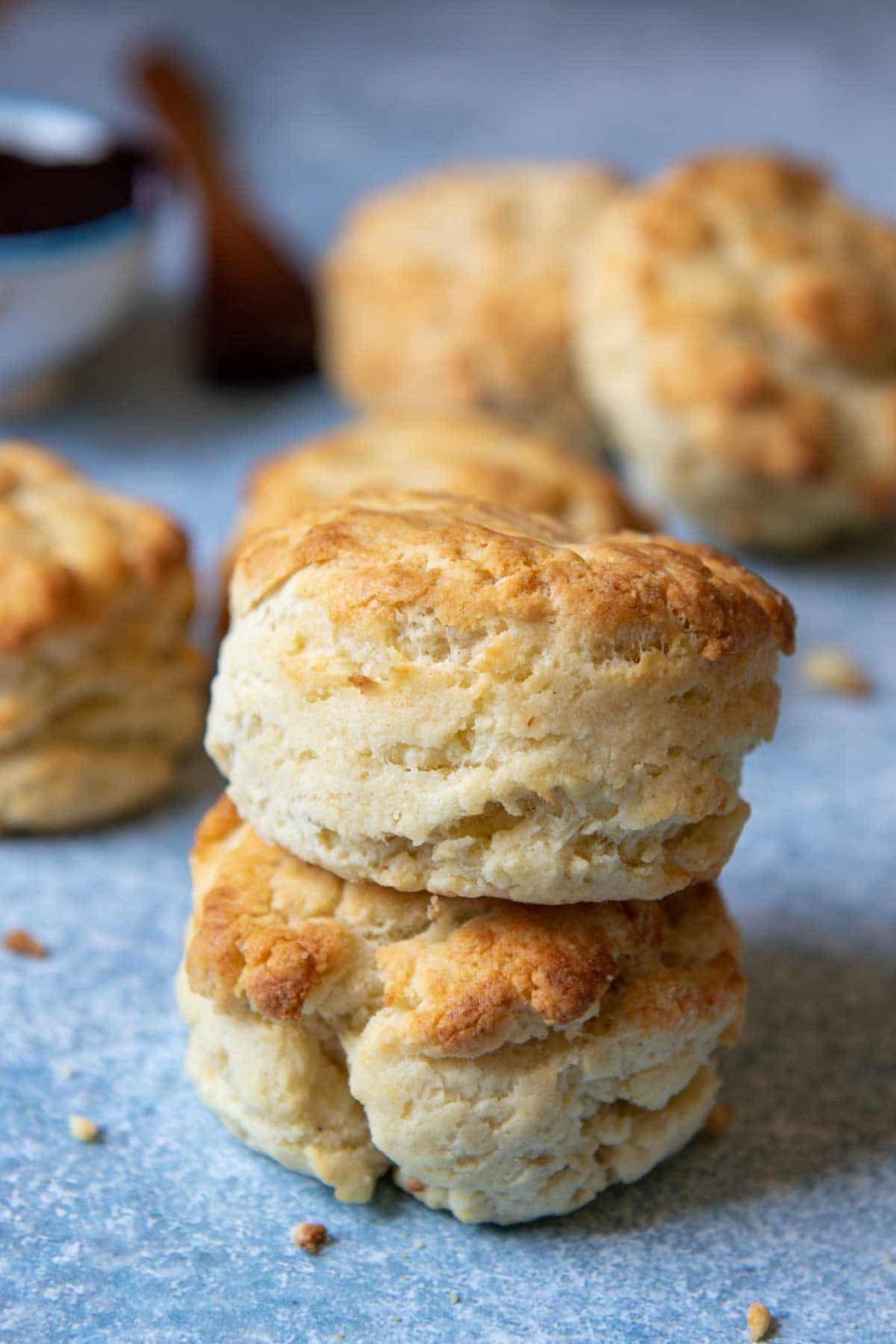
Gluten-Free Honey Oat Biscuits
Delicious, soft, and fluffy gluten-free biscuits made with almond flour and oats, perfect for sandwiches or enjoying with butter and honey. This recipe is a must-try for any occasion.
🥘Ingredients
- 1 cup almond flour
- 1 cup gluten-free all-purpose flour blend
- 1 cup rolled oats (certified gluten-free)
- 1 tsp baking powder
- ½ tsp salt
- 1 tbsp honey
- ½ cup unsalted butter, melted
- 1 large egg
- 1 tsp vanilla extract
- 1 tbsp chopped walnuts or pecans
- 1 tsp cinnamon
👨🍳Directions
-
1
Preheat oven to 375°F (190°C). Line a baking sheet with parchment paper. -
2
In a large bowl, whisk together almond flour, gluten-free flour, rolled oats, baking powder, and salt. -
3
In a separate bowl, mix melted butter, honey, egg, and vanilla extract. Pour into the dry ingredients and stir until a dough forms. -
4
If using, sprinkle chopped nuts and cinnamon on top of the dough. -
5
Roll dough to about ¼-inch thickness. Cut into biscuit shapes using a biscuit cutter or knife. -
6
Place biscuits on the prepared baking sheet, spacing them about 1 inch apart. -
7
Bake for 20–25 minutes, or until golden brown. Let cool for 5 minutes before serving.
🔧Equipment
- Mixing bowl
- Whisk or fork
- Measuring cups and spoons
- Baking sheet
- Parchment paper
- Oven
- Pastry brush (optional, for butter coating)
📊Nutrition Facts (per serving)
📝Notes
Tips
- For extra flavor, brush tops with melted butter before baking.
- Substitute honey with maple syrup or agave for a vegan option.
- Ensure all flours and oats are certified gluten-free to avoid cross-contamination.
Storage: {“roomTemp”:”Up to 3 days in an airtight container”,”fridge”:”Up to 1 week”,”freezer”:”Up to 3 months”}
Watch Video Of How Gluten-Free Honey Oat Biscuits Works
❓ Frequently Asked Questions About Gluten-Free Honey Oat Biscuits
1. What ingredients should I use for a gluten-free biscuit recipe to ensure they are flaky and tender?
For the best flaky and tender gluten-free biscuits, use a blend of almond flour, coconut flour, and tapioca starch as the base. For richness, add butter or coconut oil (melted and cooled) and a small amount of xanthan gum (about ½ teaspoon) to improve binding. For extra moisture, include eggs, dairy-free milk (like almond or oat milk), and a touch of honey or maple syrup. Baking soda (or baking powder) will help them rise, so use ½ teaspoon per biscuit.
—
2. How do I prevent gluten-free biscuits from becoming dense or crumbly instead of soft and fluffy?
Gluten-free biscuits can be tricky, but these tips help: Use the right ratio of wet to dry ingredients—too much flour can make them dense, while too little can make them crumbly. Chill the dough for 30 minutes before baking to improve texture. Avoid overmixing—fold ingredients gently to keep them tender. If using coconut flour, replace it with oat flour or a mix of almond and coconut flour for better structure. Lastly, bake at 375°F (190°C) for 12–15 minutes until golden, as gluten-free biscuits cook faster than wheat-based ones.
—
3. Can I substitute regular flour in a gluten-free biscuit recipe, and if so, what are the best alternatives?
No, you cannot substitute regular flour entirely, but you can use gluten-free 1:1 baking blends (like Bob’s Red Mill 1:1 or King Arthur Measure for Measure) as a direct swap. For a homemade version, mix ½ cup almond flour + ½ cup tapioca starch + ¼ cup potato starch for a lighter texture. If you want a richer flavor, consider oat flour (certified gluten-free) or a blend of rice flour + xanthan gum (1:1 ratio). Always adjust liquid slightly based on the flour’s absorptive properties.
—
4. Why do my gluten-free biscuits turn out dry or tough, even if I followed the recipe?
Dry or tough gluten-free biscuits usually happen due to overbaking, incorrect fat substitution, or excess dry ingredients. Check if you used too much baking powder/soda (reduce to ¼ teaspoon per biscuit) or not enough liquid (add 1–2 tablespoons more dairy-free milk). If using coconut flour, it absorbs moisture quickly—ensure all ingredients are room temperature and mix well. For extra moisture, add 1–2 tbsp melted butter or coconut oil to the dough. Lastly, preheat the oven properly and avoid opening the door while baking to prevent steam loss.
—
5. How can I make gluten-free biscuits taste closer to traditional wheat-based biscuits?
To mimic the flavor and texture of wheat biscuits, focus on these key adjustments: Use a mix of flours (e.g., ½ cup almond flour + ½ cup oat flour + ¼ cup tapioca starch) for a chewier result. Add a pinch of salt (wheat biscuits are salty!) and 1–2 tbsp melted butter or ghee for richness. For a slightly sweeter taste, include 1 tbsp maple syrup or honey. If they’re too dense, reduce the baking powder to ¼ teaspoon and chill the dough for 20 minutes before cutting. For extra authenticity, brush baked biscuits with melted butter after cooling.
