
diy baking powder recipe

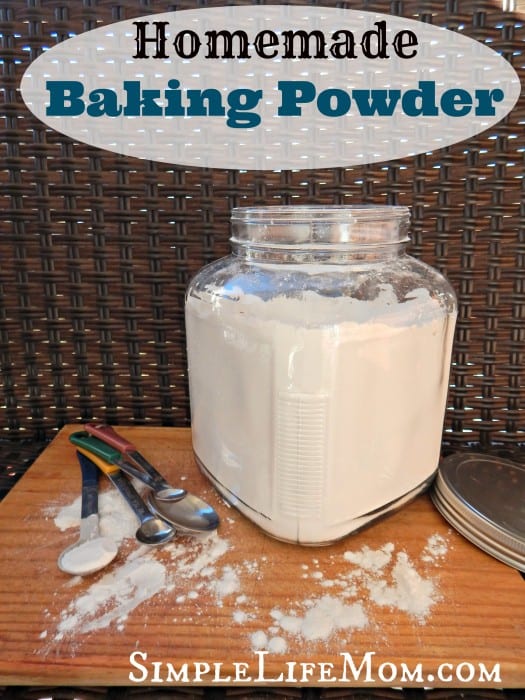
The Best diy baking powder recipe
What I appreciate most about making my own baking powder is knowing exactly what’s in it. Store-bought versions can sometimes contain additives or aluminum, which I prefer to avoid. This homemade version uses just three basic ingredients—cream of tartar, baking soda, and cornstarch—and it works just as well, if not better, than anything you’d buy. It’s perfect for everyday baking, whether I’m making pancakes for breakfast or a quick batch of muffins for an after-school snack. Plus, it keeps well in an airtight container, so I always have it ready to go. My family loves the consistency it gives our baked goods, and I love that it’s one less thing I have to worry about running out of at the last minute.
Homemade Baking Powder Recipe
A simple and effective DIY baking powder recipe to ensure your baked goods rise perfectly every time. This aluminum-free version is easy to make with common pantry ingredients.
🥘Ingredients
- 2 tbsp cream of tartar
- 1 tbsp baking soda
- 1 tbsp cornstarch (optional, for moisture absorption)
👨🍳Directions
-
1
In a small mixing bowl, combine 2 tablespoons of cream of tartar and 1 tablespoon of baking soda. -
2
Add 1 tablespoon of cornstarch (if using) to the mixture to help absorb moisture and prevent clumping. -
3
Whisk or stir the ingredients together until fully combined and no lumps remain. -
4
Transfer the homemade baking powder to an air-tight container and store in a cool, dry place for up to 3 months. -
5
Use 1 teaspoon of this mixture as a substitute for 1 teaspoon of store-bought baking powder in your recipes.
🔧Equipment
- Small mixing bowl
- Whisk or fork
- Air-tight container for storage
📊Nutrition Facts (per serving)
📝Notes
Watch Video Of How Homemade Baking Powder Recipe Works
❓ Frequently Asked Questions About Baking Powder
1. Can I make baking powder at home without cream of tartar?
Yes! If you don’t have cream of tartar, you can substitute it with another acidic ingredient like lemon juice or white vinegar. For example, mix 1 part baking soda with 2 parts lemon juice or vinegar (e.g., 1 tsp baking soda + 2 tsp lemon juice). However, this version may have a slight taste difference, so it’s best used immediately in recipes where the flavor won’t be noticeable.
—
2. How long does homemade baking powder last?
Homemade baking powder typically lasts 1–3 months when stored in an airtight container in a cool, dry place. Unlike commercial baking powder, which contains stabilizers, DIY versions lose potency faster because the acid and base react over time. To test freshness, mix a teaspoon with hot water—if it bubbles vigorously, it’s still active.
—
3. Why does my homemade baking powder taste bitter or metallic?
A bitter or metallic taste usually means there’s too much baking soda left unreacted. This happens if:
– The ratio of acid (cream of tartar/lemon juice) to baking soda is off (use 2 parts acid to 1 part baking soda).
– The mixture wasn’t used immediately (acid-base reactions weaken over time).
– The recipe didn’t include enough liquid to fully activate the reaction. Always sift the ingredients together and use the powder right away for best results.
—
4. Can I use homemade baking powder in all recipes?
Homemade baking powder works well in most recipes, but there are a few exceptions:
– Delicate baked goods (like angel food cake or soufflés) may not rise as reliably because DIY versions lack the precise balance of commercial stabilizers.
– Recipes with long bake times (e.g., cookies) might benefit from the slower-acting double-acting commercial powder.
– Recipes with minimal liquid may not activate the reaction fully. For best results, use it in quick breads, pancakes, or muffins where immediate leavening is key.
—
5. What’s the difference between single-acting and double-acting baking powder?
– Single-acting baking powder (like most homemade versions) releases gas only when mixed with liquid. It’s best for recipes that go straight into the oven (e.g., pancakes, waffles).
– Double-acting baking powder (commercial versions) releases gas twice: once when mixed with liquid and again when heated. This makes it more reliable for recipes with longer prep times or baking (e.g., cakes, cookies).
If you need a double-acting effect at home, you can add a small amount of cornstarch (1 part) to the mix to slow the reaction slightly, but it won’t be as precise as store-bought.


