
japanese egg salad recipe

The Best japanese egg salad recipe
Health-wise, this salad is a winner too. The eggs provide high-quality protein, the avocado adds healthy fats for energy, and the veggies—like cucumber and carrot—bring in fiber and vitamins. It’s not heavy, but it’s not empty calories either. I love that it’s a way to sneak in more veggies without making the kids feel like they’re eating a salad. My kids don’t even notice how much they’re getting until they’re all full and happy. And because it keeps well in the fridge for a few days, it’s perfect for meal prep on busy weeknights. It’s that kind of recipe that feels like a no-brainer—simple, balanced, and always a hit. Plus, it’s so easy to customize. If we’re craving something extra, we might add a sprinkle of sesame seeds or a dash of soy sauce for a little extra depth. It’s that kind of recipe that just works, no matter what.
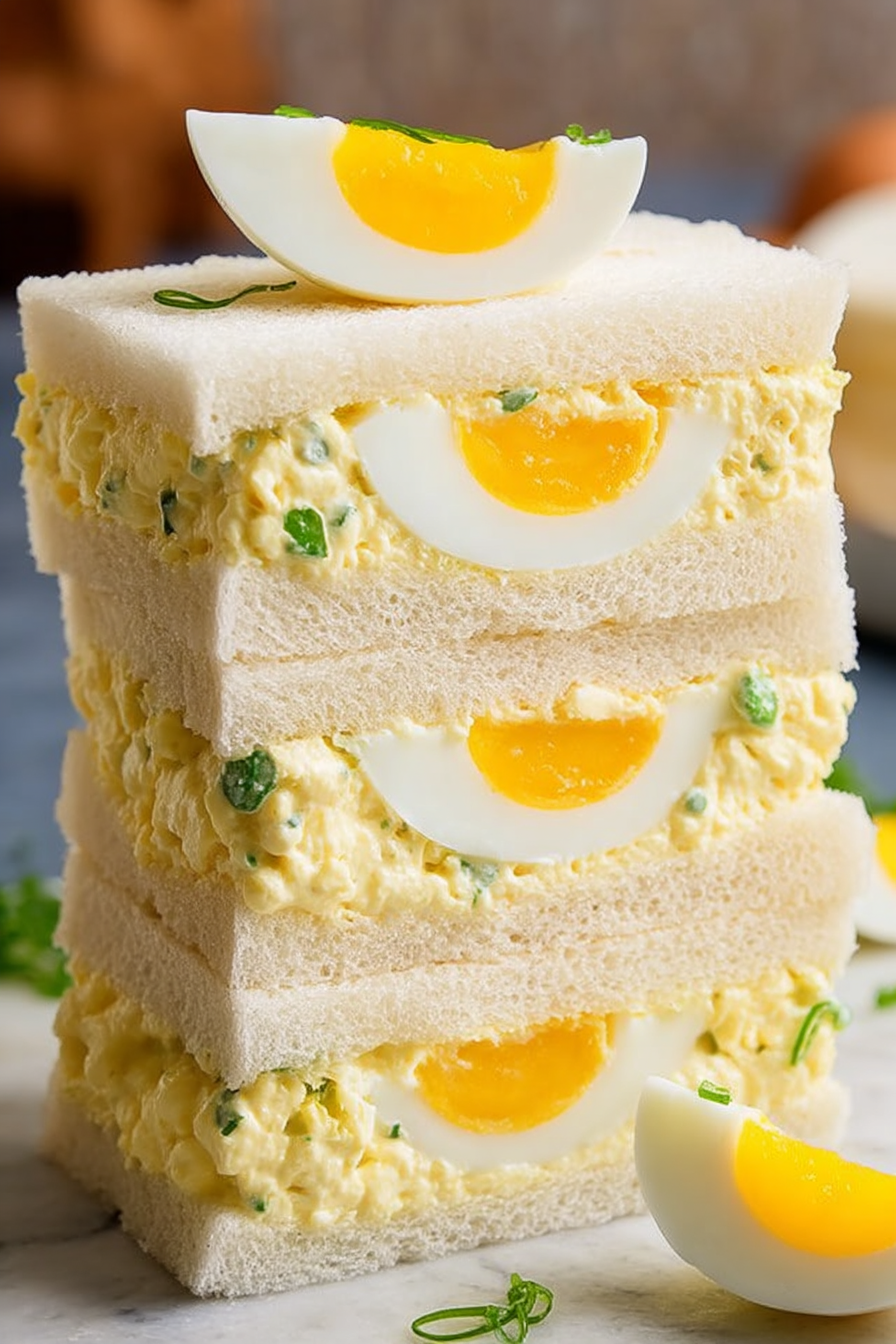
Japanese Egg Salad (Tamago Salad)
A light and refreshing Japanese-style egg salad made with hard-boiled eggs, mayonnaise, and a touch of soy sauce for a savory flavor. Perfect for sandwiches or as a side dish.
🥘Ingredients
- 6 large eggs
- ½ cup mayonnaise
- 2 tbsp rice vinegar
- 1 tbsp soy sauce
- 1 tsp sugar
- 1 tsp sesame seeds (optional)
- 1 tsp finely chopped green onions
- Salt and black pepper to taste
👨🍳Directions
-
1
Boil 6 eggs in salted water for 9–10 minutes. Drain and cool in cold water, then peel. -
2
Slice eggs into halves or quarters and set aside. -
3
In a bowl, mix mayonnaise, rice vinegar, soy sauce, and sugar until smooth. -
4
Gently fold the sliced eggs into the mayo mixture. Stir in sesame seeds and green onions. -
5
Season with salt and black pepper to taste. Chill for at least 30 minutes before serving.
🔧Equipment
- Mixing bowl
- Cooking pot
- Peeler
- Cutting board
- Knife
📊Nutrition Facts (per serving)
📝Notes
- For a lighter version, use light mayo instead of regular.
- Traditionally, tamago salad is served cold and is often paired with rice or onigiri.
- Adjust vinegar and soy sauce to taste for a more balanced flavor.
Watch Video Of How Japanese Egg Salad (Tamago Salad) Works
❓ Frequently Asked Questions About Japanese Egg Salad (Tamago Salad)
What is the best way to prepare the egg yolks for a traditional Japanese egg salad?
For a classic Japanese egg salad, it’s best to lightly poach the eggs—boil them for about 6 minutes until the whites are set but the yolks remain runny. After cooling, gently peel the eggs and mash the yolks separately before mixing them into the salad to keep them creamy and rich.
How do I make the Japanese egg salad taste authentic without using mayo?
To achieve an authentic Japanese egg salad flavor without mayo, use a combination of mayonnaise (or a mayo substitute like Greek yogurt or avocado oil mayo), a touch of soy sauce, and a hint of mirin or sugar for sweetness. Some traditional recipes also include a small amount of Japanese-style pickled ginger (beni shoga) or sesame seeds for extra depth.
Can I use store-bought mayo instead of homemade in this recipe?
Yes, you can use store-bought mayo, but for the best texture and flavor, opt for a light, high-quality mayo (like Hellmann’s or Kewpie). Avoid heavy or overly sweet store brands, as they can make the salad too greasy or bland. If you prefer a lighter consistency, thin the mayo slightly with a little water or rice vinegar.
What vegetables work best in a Japanese egg salad?
Classic Japanese egg salad often includes cucumber, carrot, or daikon radish (shredded thinly). For a fresher taste, some variations use green onions, pickled radish (takuan), or celery. Avoid overly fibrous or watery veggies like lettuce or tomatoes, as they can make the salad too soggy.
Why does my Japanese egg salad taste bland or watery?
A bland or watery egg salad usually happens due to overmixing, using too much liquid, or not balancing flavors properly. To fix it:
– Reduce mayo slightly and mix gently (overmixing releases air, making it watery).
– Add a pinch of salt, sugar, or soy sauce to enhance flavor.
– Use cold ingredients (like cold veggies and chilled eggs) to prevent sogginess.
– Try a thicker base—some recipes use a small amount of Japanese-style mayo (Kewpie) or Greek yogurt instead of regular mayo.


