
saag dishes recipe

The Best saag dishes recipe
I love how saag is easy to make ahead and reheats beautifully, so it’s perfect for meal prep. My husband and I often make a big pot on Sunday and freeze portions for the week, and my kids swear by it—no more picky eating when they know there’s something warm and healthy waiting for them. The health benefits are real too; spinach is loaded with iron, and the spices like turmeric and cumin add anti-inflammatory power. It’s not just a recipe—it’s a way to feed your family without feeling like you’re sacrificing taste or quality. And honestly, there’s nothing better than watching everyone’s faces light up when they take their first bite, knowing they’re eating something nourishing that’s still delicious. It’s a recipe that proves you don’t need fancy ingredients to make something truly special.
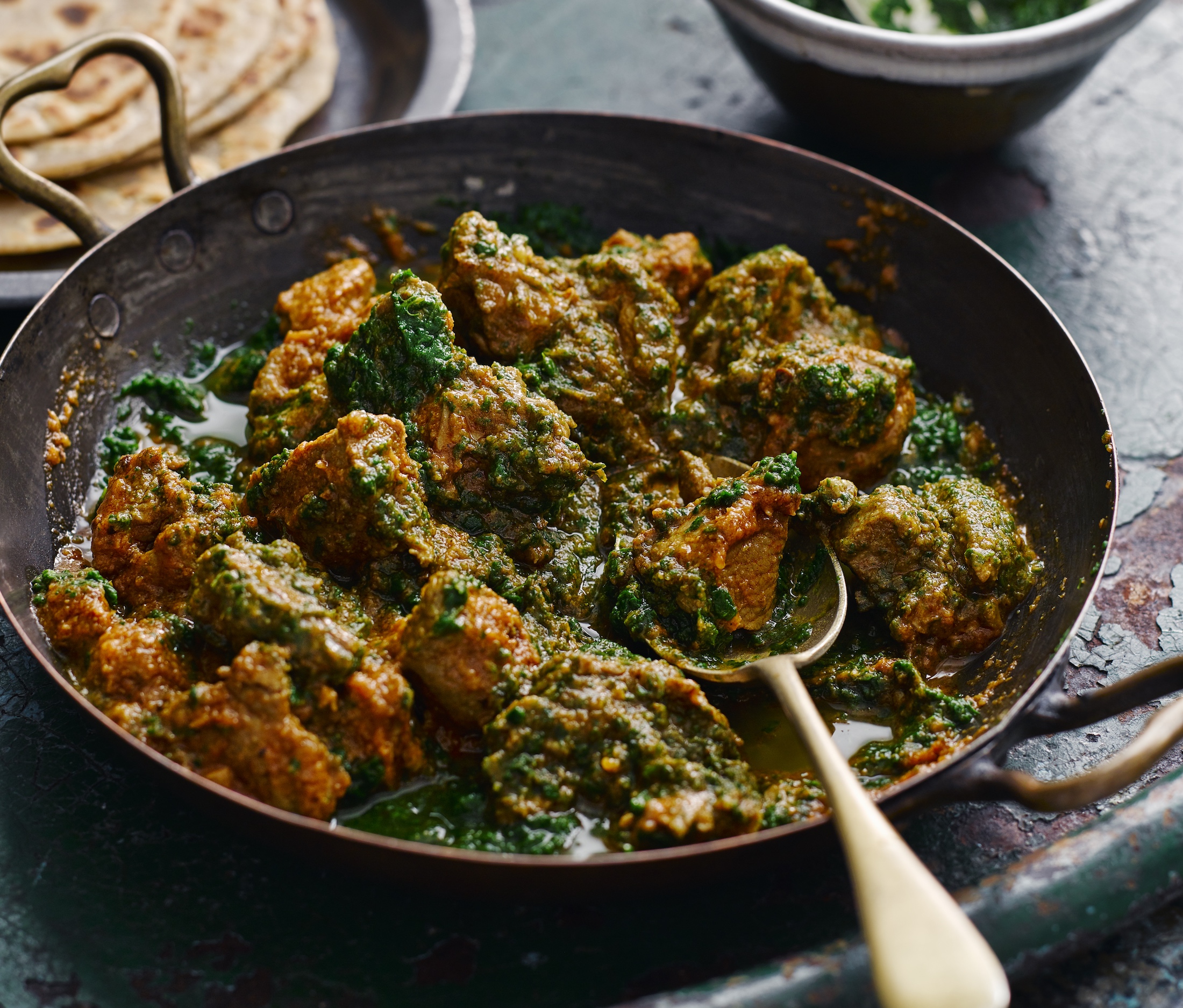
Classic Indian Saag (Spinach Curry)
A flavorful and aromatic dish made with fresh spinach, onions, garlic, ginger, and a blend of spices like turmeric, cumin, and coriander. Perfect for a hearty meal with whole wheat roti or basmati rice.
🥘Ingredients
- 2 cups fresh spinach (chopped)
- 1 large onion (finely chopped)
- 3 cloves garlic (minced)
- 1-inch ginger (grated)
- 1 tbsp fresh cilantro (chopped)
- 1 tsp turmeric powder
- 1 tsp cumin seeds
- 1 tsp coriander powder
- 1 tsp garam masala
- ½ tsp red chili powder (adjust to taste)
- 1 tsp salt (adjust to taste)
- 2 tbsp oil or ghee
- 1 cup tomato puree
- 1 cup water or broth
- 1 tbsp lemon juice (optional)
👨🍳Directions
-
1
Heat oil or ghee in a skillet over medium heat. Add cumin seeds and let them sizzle for 30 seconds until they release aroma. -
2
Add chopped onions and sauté until golden brown (~5 mins). Stir in minced garlic and grated ginger; cook for 1 minute until fragrant. -
3
Add turmeric, coriander powder, red chili powder, and salt. Stir well and cook for 1 minute to toast the spices. -
4
Pour in tomato puree and cook for 3-4 minutes until it thickens slightly. Add water/broth and bring to a gentle simmer. -
5
In a separate bowl, lightly cook chopped spinach in a bit of oil until wilted (~2 mins). Add it to the skillet along with fresh cilantro. -
6
Simmer for 5-7 minutes until spinach is fully cooked and the sauce thickens. Add lemon juice if desired. -
7
Adjust seasoning with salt or garam masala to taste. Serve hot with whole wheat roti or steamed rice.
🔧Equipment
- Large skillet or pan
- Wooden spoon
- Fine grater
- Mixing bowl
- Blender (optional, for smoother puree)
📊Nutrition Facts (per serving)
📝Notes
- For extra richness, stir in 1 tbsp ghee at the end.
- Use a mix of fresh and frozen spinach for convenience.
- Adjust spice levels according to preference.
- For a lighter version, reduce oil and use vegetable broth instead of water.
Watch Video Of How Classic Indian Saag (Spinach Curry) Works
❓ Frequently Asked Questions About Indian Saag (Spinach Curry)
1. What is the traditional method for preparing Saag (Indian green leafy vegetable stew) and what are the key ingredients used?
Saag is typically prepared by sautéing a mix of fresh green leafy vegetables (like spinach, mustard greens, fenugreek leaves, or palak) with onions, garlic, ginger, and spices like turmeric, cumin, coriander, and garam masala. The key ingredients include fresh greens, yogurt (for creaminess), ghee or oil, and a blend of whole spices. Some versions also include potatoes or chickpeas for extra texture.
—
2. How can I make Saag without using fresh greens, and what are some good substitutes?
If fresh greens are unavailable, you can use frozen spinach or mixed frozen vegetable blends (like mixed greens or curry leaves). For a more authentic taste, dried fenugreek leaves (methi) can be used in place of fresh fenugreek, though they have a slightly different flavor. Some recipes also include sautéed onion-garlic paste or powdered greens for a similar effect.
—
3. What spices and cooking techniques are essential for achieving the right flavor and texture in Saag?
The right spices include whole cumin, coriander, mustard seeds, and black pepper, which are tempered (tossed in hot oil) before adding the greens. The key technique is sautéing onions and garlic until golden, then adding yogurt to neutralize bitterness and create a silky base. Cooking the greens slowly with minimal water ensures they retain their vibrant color and nutrients while breaking down into a smooth consistency.
—
4. Can Saag be prepared in a pressure cooker or Instant Pot, and how does the cooking time differ?
Yes, Saag can be made in a pressure cooker or Instant Pot for faster cooking. In a pressure cooker, the greens cook in about 5–7 minutes on high pressure, while the Instant Pot takes 3–4 minutes on high pressure. The trick is to add a little water (1 cup) and let it simmer for a few minutes before releasing pressure. The texture remains tender and flavorful, but the pressure method can make the dish slightly thicker due to reduced evaporation.
—
5. What are some common variations of Saag that people enjoy, and how do they differ from the classic version?
Some popular variations include:
– Palak Paneer (spinach curry with paneer cubes), which adds a creamy, cheesy twist.
– Chana Saag (with chickpeas), making it heartier and protein-rich.
– Vegetable Saag (using a mix of seasonal veggies like cauliflower, carrots, and beans).
– Kachumber Saag (with raw onions, tomatoes, and cilantro for a fresher, less spicy take).
The classic version is usually lighter, while these variations add richness or texture through ingredients like paneer, chickpeas, or extra spices.
