
orzo pasta recipe

The Best orzo pasta recipe
I also love how balanced this recipe is for health-conscious cooking. Orzo is a whole grain, so it gives more fiber and nutrients than white pasta, and it’s lower in carbs too. I’ll add in spinach or zucchini to boost the veggie count, and it’s easy to customize with whatever’s on hand—like adding a little garlic and herbs or even a splash of tomato sauce if I’m feeling fancy. It’s not just good for me, though—it’s good for my family too. My husband always says it’s the only pasta he’ll eat if it’s got a little something extra, like a sprinkle of Parmesan or a side of grilled chicken. And when we serve it for a dinner party, it’s always a hit because it feels hearty but not too heavy. It’s that kind of meal that makes you feel like you’re doing something good for everyone without overcomplicating things.
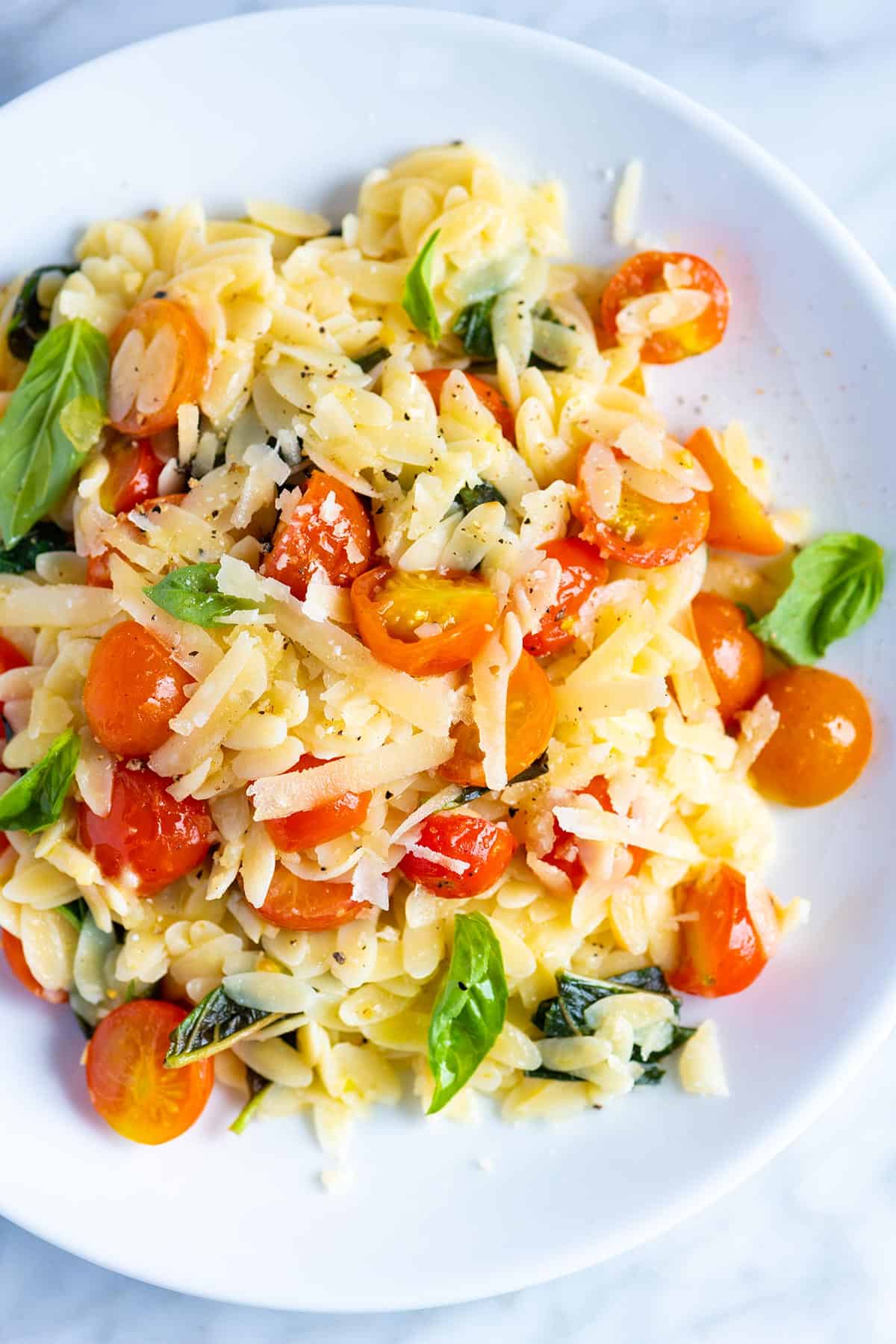
Classic Orzo Pasta with Garlic Butter
A comforting dish featuring orzo pasta cooked in a rich garlic butter sauce, perfect for a quick and flavorful meal. This recipe is a must-try for any occasion.
🥘Ingredients
- 1 cup orzo pasta
- 2 cups water
- 1 tsp salt
- 2 tbsp butter
- 3 cloves garlic, minced
- 1 cup heavy cream
- 1/2 cup grated Parmesan cheese
- 1/2 tsp red pepper flakes (optional)
- 1 tbsp lemon juice
- Fresh parsley, chopped
- Extra Parmesan cheese
👨🍳Directions
-
1
Bring 2 cups of water to a boil in a large pot, add salt, and cook the orzo according to package instructions until al dente. Drain and set aside. -
2
In a medium saucepan, melt butter over medium heat. Add minced garlic and sauté for 1 minute until fragrant. -
3
Pour in heavy cream and simmer for 3-4 minutes. Stir in grated Parmesan, red pepper flakes (if using), and lemon juice. Remove from heat. -
4
Combine cooked orzo with the garlic butter sauce in a large bowl. Stir gently to coat evenly. -
5
Garnish with chopped parsley and extra Parmesan cheese before serving.
🔧Equipment
- Large pot
- Medium saucepan
- Wooden spoon
- Fine grater
- Mixing bowl
📊Nutrition Facts (per serving)
📝Notes
Tips
- For extra richness, add a splash of white wine while sautéing the garlic.
- Substitute half the heavy cream with half-and-half for a lighter version.
- Ensure orzo is cooked al dente for the best texture.
Variations
- Add diced bell peppers or spinach for extra nutrients and color.
- Use a splash of chicken broth instead of water for a savory twist.
Watch Video Of How Classic Orzo Pasta with Garlic Butter Works
❓ Frequently Asked Questions About Orzo Pasta with Garlic Butter
What is the best way to cook orzo pasta for the most tender texture?
The best way to cook orzo pasta is to boil it in well-salted water until al dente (about 8–10 minutes, depending on the brand). Stir frequently to prevent sticking. After draining, rinse briefly under cold water to stop cooking and remove excess starch for a lighter texture.
—
Can I substitute regular pasta for orzo in a recipe?
Yes, you can use regular pasta like penne or fusilli as a substitute, but the results won’t be the same. Orzo has a unique shape and texture that works best in soups, salads, or light sauces. For a closer match, try using angel hair pasta or small pasta shapes like cavatappi.
—
How do I avoid making orzo gummy or mushy?
To prevent gummy or mushy orzo, cook it in well-salted water with a little extra pasta water (about ½ cup) to help it absorb moisture evenly. Overcooking is the biggest culprit—check for al dente (slightly firm bite) and remove from heat immediately. Also, avoid over-stirring, as it can break the grains.
—
What are the best sauces to pair with orzo?
Orzo pairs beautifully with light, flavorful sauces. Classic options include:
– Creamy garlic butter sauce (with white wine or Parmesan)
– Tomato-based ragù (for a heartier dish)
– Lemon-herb butter sauce (bright and fresh)
– Creamy mushroom or spinach sauce (rich and savory)
– Simple olive oil & lemon (for a light, Mediterranean-style dish)
Avoid heavy, thick sauces that can weigh it down.
—
Why does my orzo turn out dry or undercooked?
Dry or undercooked orzo often happens due to:
– Undercooked pasta (check for al dente—it should have a slight bite).
– Not enough pasta water (add ½ cup extra while cooking to prevent dryness).
– Over-draining (let some water stay in the pasta before serving).
– Using cold orzo too soon (it absorbs flavors quickly; mix with warm sauce immediately after cooking).
To fix it, gently toss the orzo with a splash of pasta water or sauce before serving.
