
salmon dill recipe

The Best salmon dill recipe
This recipe is perfect for so many occasions. It’s great for a light dinner after a long day, a simple lunch for the kids to take to school, or even a light meal for a weekend brunch. It’s also one of those dishes that feels like a little treat without being overly indulgent. My husband loves it because it’s easy to customize—add some lemon and garlic if you want more zing, or just stick with the basics if you prefer something simpler. And because it’s packed with omega-3s, it’s one of those foods that actually helps with brain function and keeps everyone’s energy up. No one has to feel guilty about eating it, and it’s always a crowd-pleaser, whether it’s for a family meal or a small gathering with friends. It’s that kind of recipe that makes cooking feel like it’s worth the effort.
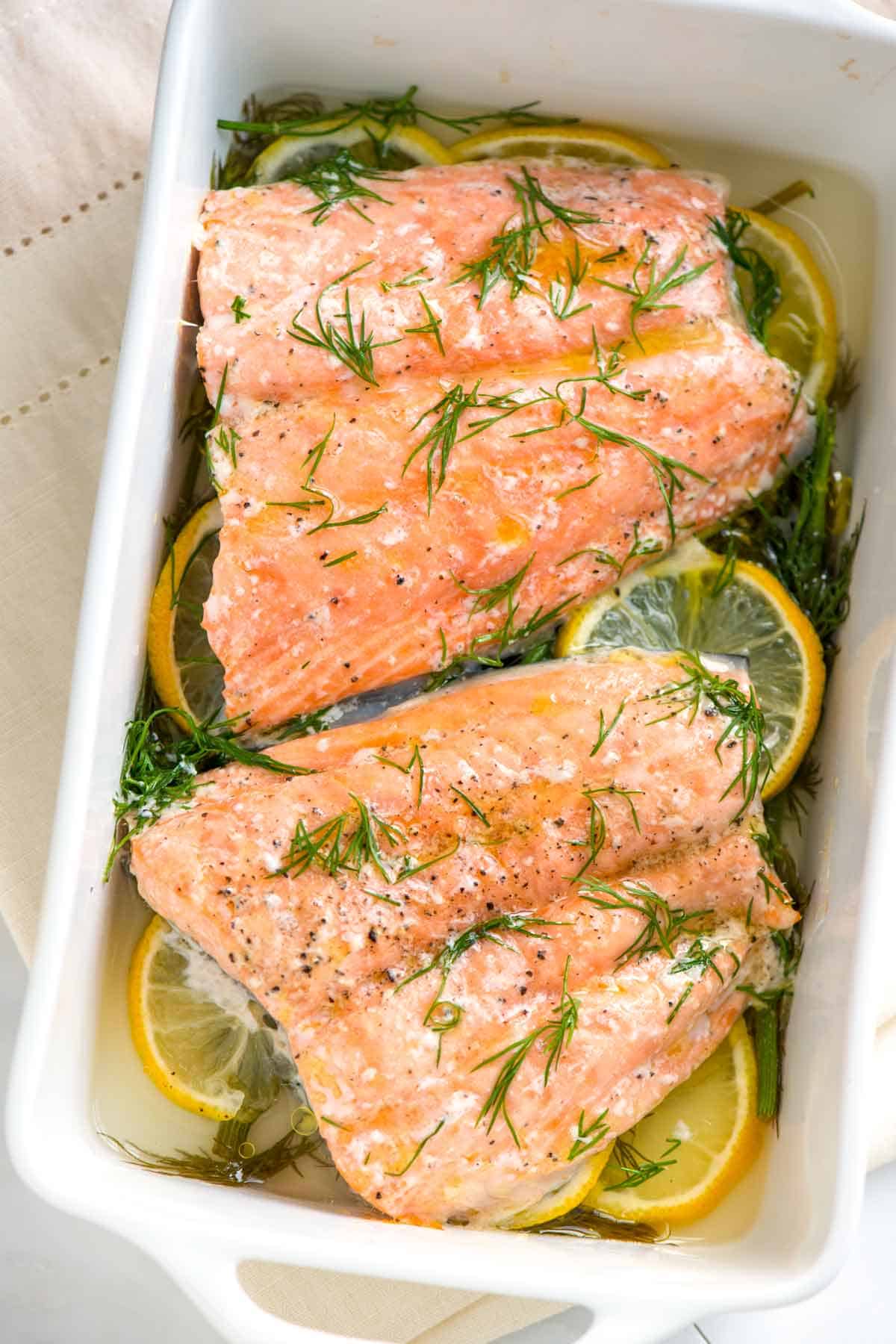
Grilled Salmon with Dill Sauce
A flavorful dish featuring succulent salmon fillets paired with a refreshing dill sauce. Perfect for a quick yet elegant meal.
🥘Ingredients
- 2 salmon fillets (6 oz each)
- 1 tbsp olive oil
- 1 tsp lemon zest
- 1 tbsp lemon juice
- ½ tsp salt
- ½ tsp black pepper
- ½ tsp garlic powder
- ½ cup Greek yogurt
- 1 tbsp fresh dill, chopped
- 1 clove garlic, minced
- 1 tsp lemon juice
- ½ tsp salt
- ¼ tsp black pepper
- 1 tbsp capers (optional)
👨🍳Directions
-
1
Preheat oven to 400°F (200°C) or use a grill to heat a pan to medium-high heat. -
2
In a small bowl, mix olive oil, lemon zest, lemon juice, salt, black pepper, and garlic powder. Rub the mixture evenly over both salmon fillets. -
3
Place salmon fillets on a lined baking tray or griddle. Bake for 12-15 minutes or grill for 4-5 minutes per side until flaky and cooked through. -
4
In a separate bowl, combine Greek yogurt, chopped dill, minced garlic, lemon juice, salt, black pepper, and capers. Stir until smooth. -
5
Serve the grilled salmon immediately with the dill sauce on top or alongside.
🔧Equipment
- Mixing bowl
- Cutting board
- Knife
- Grilled pan or baking tray
- Oven
📊Nutrition Facts (per serving)
📝Notes
Tips
- For extra flavor, add a pinch of smoked paprika to the salmon marinade.
- Ensure salmon is cooked to an internal temperature of 145°F (63°C) for safety.
- Substitute sour cream for Greek yogurt if preferred.
Variations
- Add sliced cherry tomatoes or avocado slices on top for added freshness.
- Use lemon butter sauce instead of dill sauce for a richer option.
Watch Video Of How Grilled Salmon with Dill Sauce Works
❓ Frequently Asked Questions About Grilled Salmon with Dill Sauce
1. What is the best way to prepare fresh salmon for dill sauce?
To prepare fresh salmon for dill sauce, start by cleaning and filleting the salmon. Pat the fillets dry with paper towels to remove excess moisture. Then, season them lightly with salt and pepper. For extra flavor, you can marinate the salmon in olive oil, minced garlic, and lemon juice for about 15-20 minutes before cooking. This helps to enhance the salmon’s natural taste and makes it easier to coat with the dill sauce.
—
2. Can I use canned salmon instead of fresh salmon for this recipe?
Yes, you can use canned salmon, but there are a few adjustments you’ll need to make. First, drain and rinse the salmon to remove excess salt and brine. You may want to flake or crumble it into smaller pieces for better texture in the sauce. If the canned salmon is in oil, drain it well to avoid a greasy sauce. For a richer flavor, you can mix in some fresh dill or add a touch of lemon juice to balance the saltiness. Just ensure you’re not overloading on salt to prevent the dish from becoming too salty.
—
3. What ingredients should I include in a classic salmon dill sauce?
A classic salmon dill sauce typically includes the following key ingredients:
– Fresh dill (about 2-3 tablespoons, finely chopped)
– Lemon juice or zest (about 1-2 tablespoons)
– Mayonnaise (about ½ to ¾ cup)
– Garlic (1-2 cloves, minced)
– Salt and pepper (to taste)
– A pinch of white pepper (optional, for a milder taste)
– Optional additions: sour cream, yogurt, capers, red onion (finely minced), or a dash of Dijon mustard for extra depth.
The ratio of mayo to other ingredients can vary—start with ½ cup mayo and adjust based on how creamy or tangy you prefer the sauce.
—
4. How do I prevent the salmon dill sauce from becoming too runny or too thick?
To avoid a runny or overly thick sauce, follow these tips:
– Start with the right base: Use high-quality mayonnaise (like Hellmann’s or Hellmann’s Light) as the foundation. If you’re using homemade mayo, it may be thinner, so adjust with a bit more mayo or a small amount of water or lemon juice if needed.
– Balance the ingredients: If the sauce feels too thin, add a little more mayo or a spoonful of Greek yogurt or sour cream to thicken it. If it’s too thick, add a splash of lemon juice or water to loosen it.
– Stir gently: Mix the ingredients thoroughly but avoid overmixing, as this can break down the sauce’s texture.
– Adjust seasoning: If the sauce is too watery, it might be due to excess lemon juice or herbs. Reduce the lemon juice slightly or add a pinch of salt to help bind the flavors.
—
5. Can I make a dill salmon sauce ahead of time and store it properly?
Yes, you can prepare a salmon dill sauce in advance, but there are a few storage tips to keep it fresh and flavorful:
– Short-term storage (1-2 days): Transfer the sauce to an airtight container and refrigerate. It will keep well for up to 2 days. Stir before using to ensure the ingredients are evenly mixed.
– Long-term storage (up to 3 months): For longer storage, freeze the sauce in portioned containers or ice cube trays (for individual servings). Thaw in the fridge overnight before using. Frozen sauce may develop a slight separation, so stir well before serving.
– Reheating: If reheating from frozen, microwave in short bursts (about 20-30 seconds) and stir between each to prevent overheating. Avoid boiling, as it can curdle the mayo.
– Best practice: If possible, prepare the sauce just before serving to enjoy the freshest flavors, especially with fresh salmon. However, if you’re making it ahead, adding a bit more lemon juice or fresh dill before serving can help revive the taste.

