
kimchi chigae recipe


The Best kimchi chigae recipe
What really sells this recipe for me is how versatile it is. It’s great for meal prep—we make a big batch on Sundays and it keeps in the fridge for days, and the kids never seem to mind how long it’s been sitting there. It’s also a crowd-pleaser at gatherings. Whether it’s a simple family dinner or a potluck with friends, this dish feels special without being overly complicated. And honestly? The health benefits make it even more appealing. The fermented nature of kimchi chigae supports gut health, and the spices—like gochugaru (Korean chili flakes)—give a natural boost of antioxidants. It’s not just food; it’s a way to nourish our bodies while still enjoying something truly satisfying. Plus, the kids love the way it’s always a little different each time we make it, which keeps things interesting. It’s that kind of recipe that makes cooking feel less like a chore and more like something you actually look forward to doing.
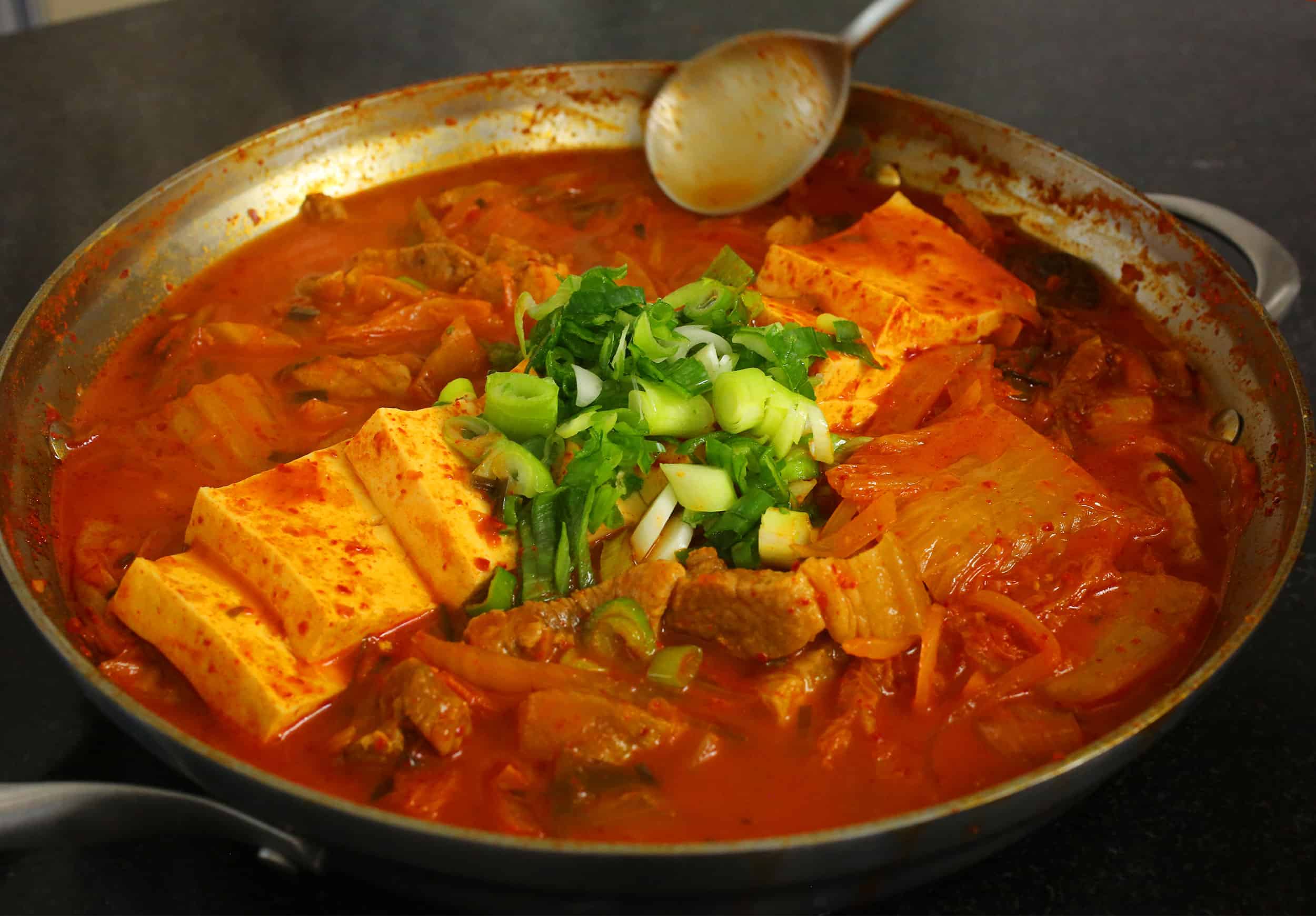
Kimchi Chigae (Kimchi Hot Pot)
A comforting and flavorful Korean hot pot made with kimchi, pork belly, and a rich broth. Perfect for sharing with friends and family during cold weather.
🥘Ingredients
- 4 cups kimchi (packed)
- 2 cups water
- 2 tbsp gochujang (Korean red pepper paste)
- 2 tbsp soy sauce
- 1 tbsp sugar
- 1 tbsp sesame oil
- 1 tbsp minced garlic
- 1 tbsp minced ginger
- 1 stalk green onion, chopped
- 400g pork belly, thinly sliced
- 1 tbsp soy sauce
- 1 tbsp sesame oil
- 1 tsp sugar
- 1 tsp minced garlic
- 1 tsp minced ginger
- 1 large carrot, julienned
- 1 cup spinach, chopped
- 1 cup shiitake mushrooms, sliced
- 1 cup bok choy, halved
- 1 zucchini, sliced
- 1 green onion, sliced
👨🍳Directions
-
1
Prepare the broth: In a large pot, combine kimchi, water, gochujang, soy sauce, sugar, sesame oil, minced garlic, and ginger. Bring to a boil, then reduce heat to low and simmer for 15 minutes. -
2
Prepare the pork belly: In a bowl, mix pork belly slices with soy sauce, sesame oil, sugar, minced garlic, and ginger. Marinate for at least 10 minutes. Grill or torch the pork belly until lightly charred on both sides. Set aside. -
3
Prepare the vegetables: Wash and prepare all vegetables, ensuring they are cut into even-sized pieces for even cooking. -
4
Cook the vegetables: In a separate pan, sauté carrot, mushrooms, and zucchini in a little oil until slightly softened. Add spinach and bok choy, stir-fry until wilted. Set aside. -
5
Assemble the chigae: Pour the kimchi broth into serving bowls. Place marinated pork belly slices on top. Arrange vegetables around the pork belly. Garnish with sliced green onions.
🔧Equipment
- Large pot or deep skillet
- Kitchen torch or grill pan (optional)
- Wooden spoon
- Serving bowls
- Kimchi cutter (optional)
📊Nutrition Facts (per serving)
📝Notes
- For extra richness, add a dash of fish sauce or a spoonful of doenjang (fermented soybean paste) to the broth.
- You can substitute pork belly with chicken, tofu, or shrimp for a lighter option.
- Serve with steamed rice to soak up the delicious broth.
- Adjust the spice level by adding more or less gochujang.
Watch Video Of How Kimchi Chigae (Kimchi Hot Pot) Works
❓ Frequently Asked Questions About Kimchi Chigae (Kimchi Hot Pot)
What is the difference between kimchi chigae and regular kimchi soup?
Kimchi chigae is a spicier and more fermented version of kimchi soup, often made with a thicker broth and additional ingredients like gochugaru (Korean red pepper flakes), garlic, ginger, and sometimes tofu or seafood. Regular kimchi soup, or “kimchi jjigae,” tends to be milder and may include ingredients like pork belly or chicken.
Why does my kimchi chigae taste too sour or overly fermented?
If your kimchi chigae tastes too sour or overly fermented, it could be due to using overly mature kimchi (with excessive lactic acid fermentation) or adding too much water during cooking. To balance the flavor, reduce the amount of kimchi slightly or add a bit more broth (like dashi or water) to dilute the sourness. Also, ensure your kimchi is fresh (not excessively fermented) and use a mix of young and mature kimchi if needed.
Can I use store-bought kimchi instead of homemade kimchi for kimchi chigae?
Yes, you can use store-bought kimchi, but it may lack the depth of flavor and fermentation that homemade kimchi provides. Look for high-quality, well-preserved kimchi with a good balance of sourness and spice. If using store-bought, adjust the cooking time slightly—since it may be less fermented—otherwise, it could turn too soft or lose its texture.
How long should I simmer kimchi chigae for?
The ideal simmering time depends on the ingredients, but generally, kimchi chigae should simmer for 15–25 minutes to soften the kimchi and blend the flavors. If you’re using tofu or seafood, add them in the last 5–10 minutes to avoid overcooking. Over-simmering can make the broth too thin or turn the kimchi mushy, so keep an eye on it.
What can I substitute for gochugaru (Korean red pepper flakes) if I don’t have any?
If you don’t have gochugaru, you can substitute with:
– Fresh red chili flakes (adjust to taste)
– Gochujang (Korean fermented chili paste) – add 1–2 tbsp for extra depth
– Sriracha or hot sauce (mild option, but less authentic)
– A mix of cayenne pepper and paprika (for heat, but flavor won’t be as rich)
For best results, gochugaru is ideal, but gochujang works well if you want a sweeter, spicier kick.


