
dandelion tea recipe


The Best dandelion tea recipe
What I love most about dandelion tea is how versatile it is. It’s perfect for a quick morning pick-me-up, a cozy afternoon drink, or even a fancy-sounding tea for a dinner party. My family and I drink it daily, especially in spring when dandelions are at their peak. It’s light enough to enjoy without feeling heavy, but it has enough depth to make it feel special—like a little treat without the sugar crash. Plus, it’s packed with vitamins and minerals. Dandelion root is rich in potassium, magnesium, and vitamin K, while the leaves provide a dose of vitamin A and antioxidants. My kids don’t realize they’re getting all that nutrition because it just tastes nice, and honestly, I don’t either. It’s a no-fuss way to eat well without any fuss.
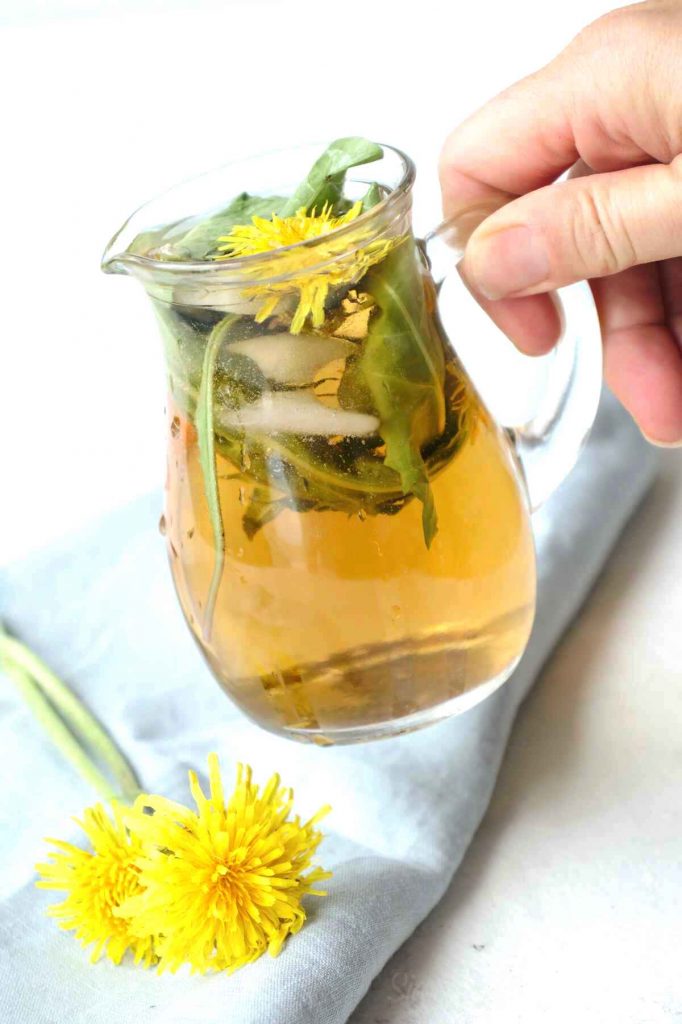
Dandelion Tea Recipe
A refreshing and nutrient-rich herbal tea made from the petals of dandelions, offering a mild, slightly bitter flavor with health benefits like diuretic properties and vitamin C content. This recipe is a must-try for any occasion.
🥘Ingredients
- 1 cup fresh dandelion petals (handpicked and cleaned)
- 8 cups water
- 1 tsp honey or lemon (optional, for sweetness)
- 1 cinnamon stick (optional)
- 1 slice of fresh ginger (optional)
👨🍳Directions
-
1
Collect fresh dandelion petals from a pesticide-free area. Rinse them thoroughly to remove any dirt or debris. -
2
Boil 8 cups of water in a pot. Once boiling, remove from heat and let it cool slightly for 2–3 minutes. -
3
Add the dandelion petals to the cooled water in a tea infuser or strainer. If using optional ingredients, add cinnamon stick and ginger slice. -
4
Steep the mixture for 5–10 minutes, depending on desired strength. Strain the petals and discard them. -
5
Pour the tea into mugs and add honey or lemon to taste if desired. Enjoy warm or chilled.
🔧Equipment
- Tea infuser or fine mesh strainer
- Pot
- Kettle
- Coffee mugs or cups
📊Nutrition Facts (per serving)
📝Notes
Tips
- For a stronger flavor, use more petals or steep longer.
- Dandelion tea can be made with dried petals if fresh are unavailable.
- Pair with a slice of lemon or a drizzle of honey for added flavor.
- Store leftover tea in an airtight container in the fridge for up to 3 days.
HealthBenefits
- Rich in vitamins A, C, and K.
- Acts as a natural diuretic.
- May support liver health.
- Contains antioxidants.
Watch Video Of How Dandelion Tea Recipe Works
❓ Frequently Asked Questions About Dandelion Tea
1. What ingredients are required to make dandelion tea, and where can I find them?
To make dandelion tea, you’ll need fresh or dried dandelion flowers and leaves. Fresh dandelions can be found in gardens, parks, or even your own yard. If you prefer dried, you can purchase them from health food stores, online retailers, or even dry them yourself by harvesting young leaves and flowers, rinsing them, and drying them in a shaded, well-ventilated area. Avoid using dandelions that have been treated with pesticides.
2. How do I prepare dandelion tea, and what’s the best way to steep it?
Simply boil 1 cup of water and pour it over 1–2 tablespoons of dried dandelion flowers or 2–3 fresh leaves. Let it steep for 5–10 minutes, then strain and enjoy. For a stronger flavor, you can steep it for up to 15 minutes. If using fresh flowers, you can also steep them in cold water for 1–2 hours before boiling to enhance the flavor. For a milder taste, use less water or steep for a shorter time.
3. Can I use both fresh and dried dandelion parts (flowers and leaves) in the same recipe, and how do they differ?
Yes, you can use both, but they each offer different benefits. Fresh leaves are slightly bitter and can be used for a more robust herbal tea. Fresh flowers are milder and can be used alone or mixed with leaves. Dried flowers are commonly used for tea, providing a smoother, slightly sweet taste. For a balanced flavor, you can combine 1 part dried flowers with 1 part fresh leaves (or vice versa) when making your tea.
4. How long should I steep dandelion tea, and does the steeping time affect the flavor?
Steeping time plays a big role in flavor. For dried flowers, steep for 5–10 minutes for a mild taste or up to 15 minutes for a stronger, more bitter infusion. For fresh flowers, steep in cold water for 1–2 hours before boiling, then boil for 3–5 minutes to release more oils. Fresh leaves can be steeped in boiling water for 5–7 minutes to avoid bitterness. Longer steeping can intensify bitterness, so adjust based on preference.
5. Is dandelion tea safe for everyone, or are there any precautions I should take?
Dandelion tea is generally safe for most people, but some may experience mild side effects like digestive discomfort if consumed in excess. Pregnant women should avoid it due to potential uterine-stimulating effects. Those with kidney issues should consult a doctor before using dandelion tea, as it contains compounds that may affect kidney function. Always use organic dandelions to avoid contamination. If you’re on medication, check with a healthcare provider before drinking it regularly.


