
quick sourdough recipe


The Best quick sourdough recipe
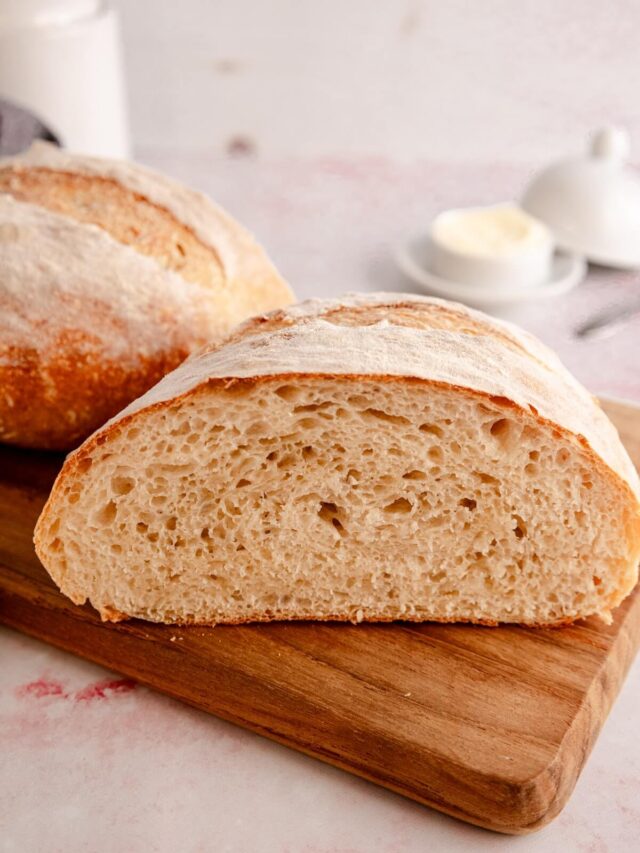
Quick Sourdough Flatbread
A fast, no-knead method for homemade sourdough flatbread that’s perfect for dipping, sandwiches, or quick meals. This recipe is a must-try for any occasion.
🥘Ingredients
- 1 cup all-purpose flour
- 1 tsp salt
- 1/4 cup warm water
- 1 tbsp olive oil
👨🍳Directions
-
1
Preheat oven to 425°F. Line a baking sheet with parchment paper. -
2
In a bowl, combine flour and salt. Stir in warm water and olive oil until a soft dough forms. -
3
Turn dough onto a floured surface, knead lightly for 1 minute until smooth. Cover with a towel and rest for 5 minutes. -
4
Divide dough into 4 equal balls. Roll each into a thin circle (about 8 inches) on parchment-lined sheets. -
5
Bake for 8–10 minutes until edges are lightly golden. Let cool before using.
🔧Equipment
- Mixing bowl
- Clean kitchen towel
- Baking sheet
📊Nutrition Facts (per serving)
📝Notes
Watch Video Of How Quick Sourdough Flatbread Works
❓ Frequently Asked Questions About Quick Sourdough Flatbread
1. What is the best way to store my sourdough starter for long-term use?
Keep your sourdough starter in a cool, dark place—like a pantry or fridge—at a temperature between 50°F and 60°F. If storing long-term, feed it once a month with the same ratio of flour and water (1:1:1) to maintain activity. For short-term storage (a few days), cover it loosely with a breathable cloth and refrigerate.
—
2. Can I use store-bought flour instead of all-purpose for this recipe?
Yes, but you’ll need to adjust the hydration slightly. Whole wheat, bread, or rye flour can work, but they may require a longer proofing time. If using a different flour, test a small batch first to check for consistency and ensure your starter remains active.
—
3. How do I know if my sourdough starter is ready to use?
Your starter is ready when it doubles in size within 4–8 hours after feeding and has a bubbly, slightly tangy aroma. It should also pass the float test: drop a small spoonful of starter into water—if it floats, it’s ready to use.
—
4. What if my dough doesn’t rise properly?
Several factors can affect rising, including temperature, hydration, or starter age. If the dough doesn’t rise, try:
– Moving the bowl to a warmer spot (75°F–80°F).
– Using a slightly lower hydration ratio (e.g., 70% instead of 80%).
– Ensuring your starter is active by feeding it more frequently before baking.
—
5. Can I bake sourdough in a regular oven without a Dutch oven?
Yes, but you’ll need to follow a slightly different approach. Preheat your oven to 475°F, place a baking sheet inside, and bake the dough directly on the sheet. After 20 minutes, transfer it to a preheated Dutch oven (or a heavy pot) for the final rise, then bake again for 10–15 minutes to achieve a crisp crust.

