
gluten free bread maker recipe


The Best gluten free bread maker recipe
The health benefits are pretty nice too. It’s packed with whole grains and fiber, which keeps everyone feeling full longer, and since it’s naturally gluten-free, it’s a safer option for anyone with sensitivities. Plus, it’s easy to customize—swap in seeds, nuts, or herbs if you want to jazz it up without overcomplicating things. Whether you’re prepping for a weekend brunch or just need a quick, satisfying meal, this recipe delivers consistent results without the stress. My family’s favorite part? The way the crust is just the right amount of crispy, and the inside stays tender, no matter how long it sits in the bread maker.
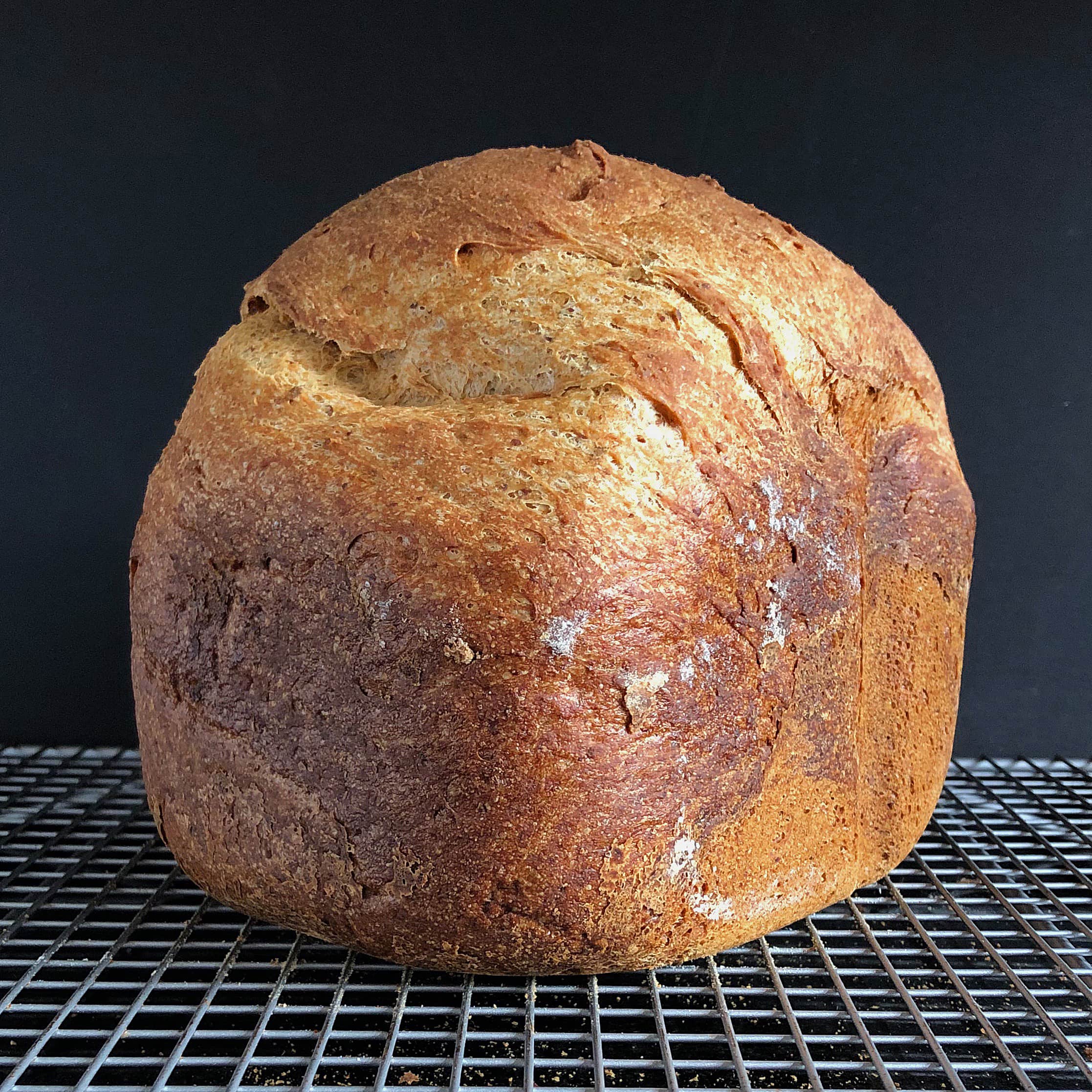
Easy Gluten-Free Breadmaker Loaf
A simple, foolproof loaf that uses a breadmaker for hands-off baking. Perfect for gluten-free bakers who want a quick, flavorful result.
🥘Ingredients
- 1 ½ cups gluten-free all-purpose flour blend
- 1 ½ tsp salt
- 1 tsp instant yeast
- 1 cup warm water (about 110°F)
- 1 tbsp olive oil
- ½ cup shredded cheddar cheese
- 1 tbsp honey or maple syrup
- 1 tsp dried rosemary
👨🍳Directions
-
1
Mix all dough ingredients in the breadmaker’s mixing bowl until combined. If using add-ins, fold them in now. -
2
Start the breadmaker on the dough cycle (typically 1 hour 15 mins). Check for doneness when the machine signals it’s done. -
3
Let the loaf cool for 15 minutes before slicing to prevent a gummy texture.
🔧Equipment
- Breadmaker machine
- Mixing bowl
- Measuring cups
- Whisk
📊Nutrition Facts (per serving)
📝Notes
Watch Video Of How Easy Gluten-Free Breadmaker Loaf Works
❓ Frequently Asked Questions About Gluten-Free Breadmaker Loaf
How do I ensure my gluten-free bread maker dough stays properly hydrated?
Yes, hydration is key for gluten-free bread. Use a mix of water and milk (or dairy-free alternatives) to reach about 70% hydration for most store-bought gluten-free flour blends. If your dough feels too dry, add 1 to 2 tablespoons of liquid at a time, mixing gently until just combined. Avoid overmixing, which can make the bread dense.
—
Can I substitute any of the ingredients in this recipe?
Most of the ingredients are straightforward, but here’s what you can adjust carefully:
– Flour blend: Stick to a well-formulated gluten-free mix (e.g., almond flour + rice flour + psyllium husk) for best results. Avoid mixing flours without testing.
– Liquid: Use a dairy-free milk (oat, soy, or coconut) if needed, but avoid high-fat substitutes, which can make the bread too dense.
– Yeast: Skip the instant yeast if your dough isn’t rising properly; try a small amount of active dry yeast (1/8 tsp) for slower fermentation.
– Salt and sugar: Reduce salt to ½ tsp if your dough feels too salty; sugar helps tenderize, so don’t cut it out entirely.
—
What if my bread maker doesn’t have a specific gluten-free setting?
Most gluten-free bread makers default to a “dough” or “pastry” cycle, but you may need to tweak settings for best results:
– Temperature: Set to 350°F (175°C) for even baking. If your maker has a lower temp, use it to prevent burning.
– Time: Extend the bake time by 10–15 minutes if your maker doesn’t have a gluten-free timer. Check for doneness with a toothpick—it should come out clean.
– Punch-down: If your maker lacks a kneading cycle, gently press the dough down every 5 minutes during the first 20 minutes of the cycle to mimic kneading.
—
How do I store and reheat gluten-free bread?
Gluten-free bread can dry out faster than regular bread, so:
– Storage: Wrap slices tightly in plastic wrap or store in an airtight container with a paper towel to absorb moisture. Keep in the fridge for up to 5 days or freeze for up to 3 months.
– Reheating:
– Toaster: Press gently to avoid burning.
– Oven: Warm at 300°F (150°C) for 5–8 minutes until crispy.
– Microwave: 30-second bursts, checking often to prevent sogginess.
—
Why isn’t my gluten-free bread rising properly?
Several factors can prevent rising:
– Yeast: If using instant yeast, ensure it’s fresh (check for a “by” date). Try adding a pinch of sugar to activate it faster. If using active dry yeast, let it sit in warm water for 5 minutes before mixing.
– Flour blend: Some gluten-free mixes lack enough starch or gluten substitutes (like xanthan gum). If your dough is flat, reduce the liquid by 2–3 tablespoons or add 1 teaspoon of xanthan gum to the dry mix.
– Temperature: Bread rises best at 75–80°F (24–27°C). If your kitchen is cooler, let the dough rest longer (up to 2 hours) before baking.
– Overmixing: Gently fold ingredients together—overworking the dough can prevent air pockets from expanding.


