
prime rib roast recipe

The Best prime rib roast recipe
What I love most about this recipe is how simple the ingredients are, yet how impressive the result always turns out. Prime rib is packed with protein and essential nutrients like iron and B vitamins, making it a great option for a balanced meal. Plus, leftovers? They’re even better the next day—sliced thin for sandwiches or tossed into a hearty salad. It’s one of those dishes that feels indulgent but doesn’t leave you feeling weighed down. If you’ve never tried making it at home, I highly recommend giving it a shot. It’s easier than you think and always worth the effort.
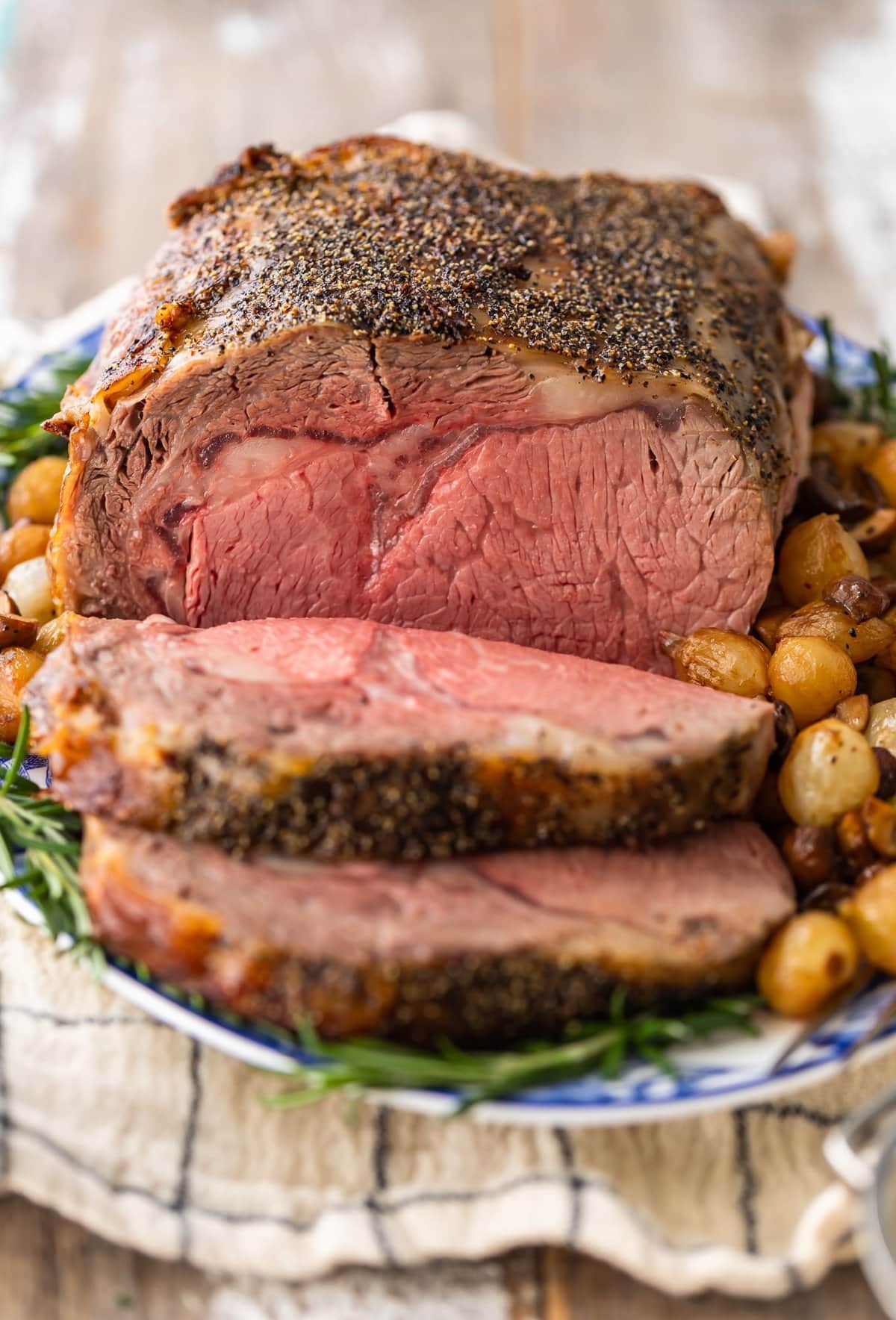
Perfect Prime Rib Roast with Au Jus
A luxurious and tender prime rib roast, slow-roasted to juicy perfection with a flavorful herb crust. Served with a rich homemade au jus, this dish is perfect for special occasions and holiday feasts.
🥘Ingredients
- 1 (5-6 lb) bone-in prime rib roast (3-4 ribs)
- 2 tbsp olive oil
- 4 cloves garlic, minced
- 2 tbsp fresh rosemary, finely chopped
- 2 tbsp fresh thyme, finely chopped
- 1 tbsp kosher salt
- 1 tbsp black pepper, freshly ground
- 1 tsp onion powder
- 2 cups beef stock (low-sodium preferred)
- 1/4 cup red wine (optional)
- 1 tbsp Worcestershire sauce
- 1 tbsp unsalted butter
- 1 tsp fresh thyme leaves
- 1/2 tsp black pepper
👨🍳Directions
-
1
Remove the prime rib roast from the refrigerator 2 hours before cooking to bring it to room temperature. Preheat the oven to 450°F (232°C). -
2
In a small bowl, mix olive oil, minced garlic, rosemary, thyme, salt, black pepper, and onion powder to form a paste. -
3
Pat the roast dry with paper towels, then rub the herb paste evenly over the entire surface of the meat, including the fat cap. -
4
Place the roast bone-side down on a rack in a roasting pan. Insert a meat thermometer into the thickest part of the meat, avoiding the bone. -
5
Roast at 450°F (232°C) for 20 minutes to sear the outside, then reduce the oven temperature to 325°F (163°C). -
6
Continue roasting until the internal temperature reaches 120°F (49°C) for medium-rare (about 1 hour 30 minutes to 2 hours, depending on size). For medium, aim for 130°F (54°C). -
7
Remove the roast from the oven, tent loosely with aluminum foil, and let it rest for 20-30 minutes before carving. The internal temperature will rise 5-10°F during resting. -
8
While the roast rests, prepare the au jus. In a small saucepan, combine beef stock, red wine (if using), Worcestershire sauce, thyme, and black pepper. Simmer over medium heat for 10 minutes. -
9
Strain the au jus through a fine-mesh sieve into a gravy boat or serving bowl. Stir in butter until melted and glossy. -
10
Carve the prime rib into thick slices, arrange on a platter, and serve with the au jus on the side.
🔧Equipment
- Large roasting pan with rack
- Meat thermometer (instant-read preferred)
- Mixing bowl
- Chef’s knife
- Cutting board
- Basting brush
- Aluminum foil
- Small saucepan
📊Nutrition Facts (per serving)
📝Notes
Watch Video Of How Perfect Prime Rib Roast with Au Jus Works
❓ Frequently Asked Questions About Prime Rib Roast with Au Jus
1. What is the best way to season a prime rib roast?
The best way to season a prime rib roast is to keep it simple to let the natural flavor of the beef shine. Start by patting the roast dry with paper towels. Then, generously coat the entire surface with kosher salt and freshly ground black pepper. For added flavor, you can also rub it with minced garlic, fresh rosemary, thyme, or a blend of herbs like Herbes de Provence. Some people like to add a light layer of olive oil or Dijon mustard before applying the seasonings to help them stick. Let the roast sit at room temperature for about an hour before cooking to allow the seasonings to penetrate the meat.
2. How long should I cook a prime rib roast, and at what temperature?
The cooking time for a prime rib roast depends on its size and how well-done you prefer it. A general rule of thumb is to cook the roast at 325°F (163°C) in the oven. For a rare roast, plan for about 15-20 minutes per pound, for medium-rare 20-25 minutes per pound, and for medium 25-30 minutes per pound. Always use a meat thermometer to check the internal temperature: 120-125°F (49-52°C) for rare, 130-135°F (54-57°C) for medium-rare, and 140-145°F (60-63°C) for medium. Remember that the roast will continue to cook slightly after you remove it from the oven, so pull it out about 5°F before it reaches your desired temperature.
3. Should I sear the prime rib roast before roasting it?
Searing a prime rib roast before roasting is optional but can add a delicious crust and extra flavor. To sear, heat a large skillet or roasting pan over high heat with a bit of oil. Sear the roast on all sides until browned, which usually takes about 2-3 minutes per side. Alternatively, you can start the roast in a very hot oven (450°F/232°C) for the first 15-20 minutes to create a crust, then reduce the temperature to 325°F (163°C) for the remainder of the cooking time. If you prefer a simpler approach, you can skip searing and still achieve a flavorful roast.
4. How do I make sure my prime rib roast is juicy and not dry?
To ensure your prime rib roast stays juicy, follow these key tips:
– Don’t overcook it: Use a meat thermometer to monitor the internal temperature and remove the roast from the oven when it’s 5°F below your desired doneness.
– Let it rest: After cooking, let the roast rest for at least 20-30 minutes before carving. This allows the juices to redistribute throughout the meat.
– Use a rack: Place the roast on a rack in the roasting pan to allow air to circulate and prevent it from sitting in its own juices.
– Baste occasionally: If you like, you can baste the roast with its own juices or melted butter every 30 minutes during cooking to add moisture.
– Avoid trimming too much fat: The fat cap on the roast helps keep it moist during cooking, so leave a thin layer intact.
5. Can I cook a prime rib roast from frozen, or does it need to be thawed?
It’s always best to thaw a prime rib roast before cooking to ensure even cooking and the best texture. However, if you’re short on time, you can cook it from frozen, but you’ll need to adjust the cooking time. Plan for about 50% longer than the usual cooking time for a thawed roast. For example, if a thawed 5-pound roast takes about 1.5 hours, a frozen one may take around 2.25 hours. Keep in mind that cooking from frozen may result in a less even cook, so using a meat thermometer is especially important. For the best results, thaw the roast in the refrigerator for 24-48 hours before cooking.

