
recipe for bread maker bread machine

The Best recipe for bread maker bread machine
This recipe is my go-to because it works every single time, whether I’m making sandwiches for a picnic, serving it alongside soup for a cozy dinner, or just having it on hand for quick breakfasts. I use whole wheat flour for extra fiber and a little honey instead of sugar, which gives it a subtle sweetness without being overpowering. The best part? It’s ready in under two hours, so it’s perfect for busy weeknights when I don’t have time to fuss with yeast or kneading. Plus, the smell of fresh bread baking in the kitchen is enough to make anyone’s day a little brighter. If you’ve never tried making bread in a machine before, this is the recipe to start with—it’s foolproof, delicious, and always a hit.
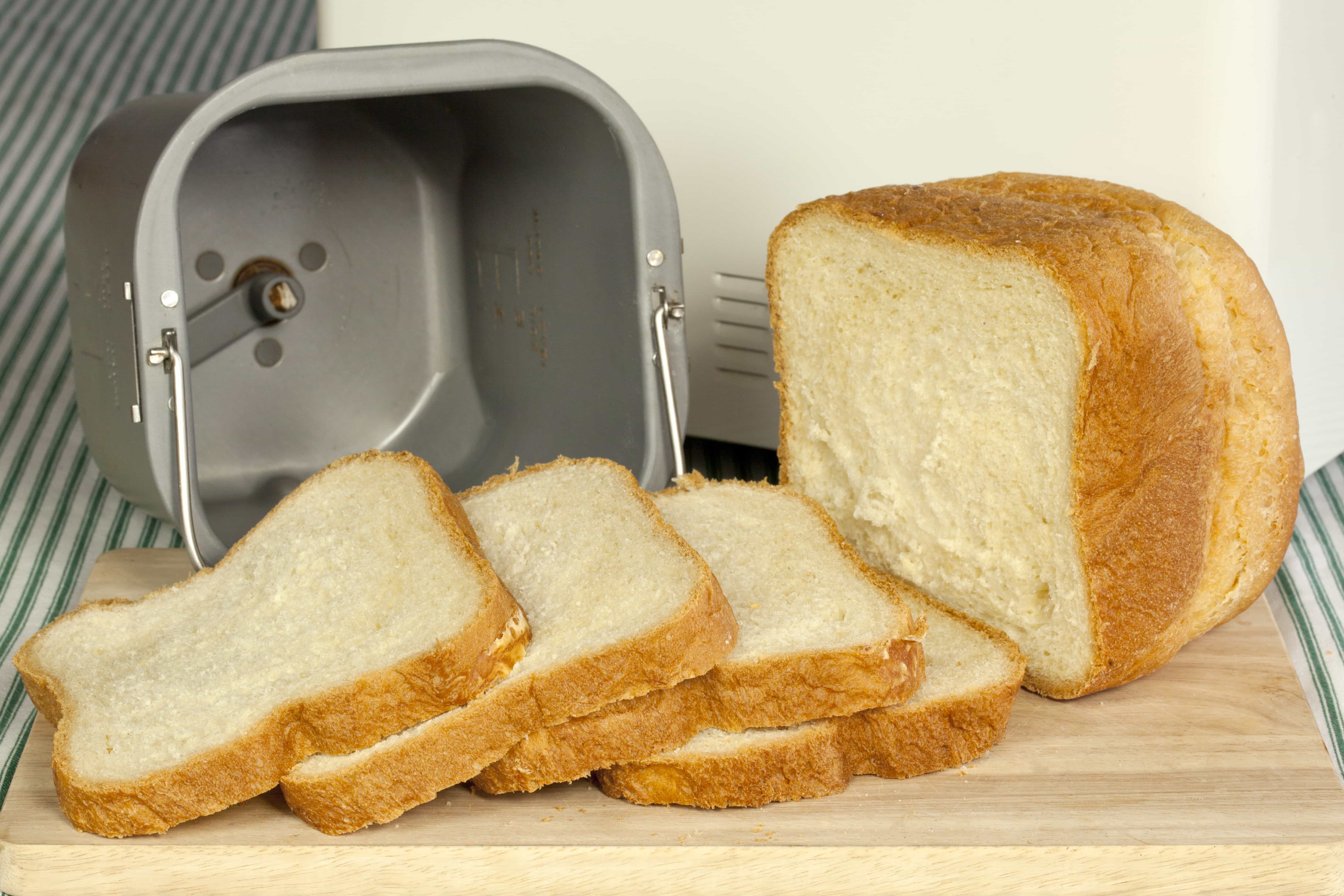
Classic White Bread for Bread Maker
A simple and delicious homemade white bread made effortlessly in a bread machine. Perfect for sandwiches, toast, or serving warm with butter.
🥘Ingredients
- 1 cup warm water (110°F)
- 2 tbsp white sugar
- 1 packet (2 1/4 tsp) active dry yeast
- 3 cups all-purpose flour
- 1 1/2 tsp salt
- 2 tbsp unsalted butter, softened
👨🍳Directions
-
1
Add warm water, sugar, and yeast to the bread maker pan. Let sit for 5 minutes until foamy. -
2
Add flour, salt, and softened butter to the pan in the order recommended by your bread maker’s manual. -
3
Select the ‘Basic White Bread’ or ‘Dough’ setting on your bread maker and start the cycle. -
4
Once the cycle is complete, remove the bread from the pan and let it cool on a wire rack for at least 30 minutes before slicing.
🔧Equipment
- Bread maker machine
- Measuring cups and spoons
- Dough scraper (optional)
📊Nutrition Facts (per serving)
📝Notes
Watch Video Of How Classic White Bread for Bread Maker Works
❓ Frequently Asked Questions About White Bread for Bread Maker
1. Why did my bread turn out dense or didn’t rise properly?
A dense or poorly risen loaf can result from several factors. Common causes include using expired yeast, incorrect water temperature (too hot or too cold), adding too much flour, or not enough kneading time. Ensure your yeast is fresh and active, measure ingredients accurately, and follow the bread machine’s kneading cycle. If your machine has a dough-only setting, letting the dough rise separately before baking can also help.
2. Can I substitute ingredients in a bread machine recipe?
Yes, but substitutions may affect the texture and rise of your bread. For example, you can replace all-purpose flour with bread flour for a chewier texture, or use whole wheat flour (though you may need to add vital wheat gluten). Sugar can be swapped with honey or maple syrup, but liquid measurements may need adjusting. Avoid substituting yeast with baking powder or soda, as they won’t work the same way in a bread machine.
3. Why does my bread have a large hole in the middle or a collapsed top?
A large hole or collapsed top usually indicates overproofing (letting the dough rise too long) or too much yeast. Other causes include adding too much liquid, using warm ingredients, or opening the machine during the bake cycle. To prevent this, measure yeast carefully, use room-temperature ingredients, and avoid interrupting the machine’s programmed cycles.
4. How do I prevent the bread from sticking to the pan?
Sticking can occur if the pan isn’t properly greased or if the dough is too wet. Always lightly grease the pan before adding ingredients, or use non-stick spray. If your machine has a non-stick coating, avoid using metal utensils. Letting the bread cool for 10–15 minutes before removing it from the pan can also help. Some users find success with a light dusting of cornmeal or flour on the pan before adding the dough.
5. Can I make gluten-free bread in a regular bread machine?
Yes, but gluten-free bread requires special recipes and may not rise as high as traditional bread. Use a gluten-free flour blend designed for baking, add xanthan gum or psyllium husk to mimic gluten’s structure, and follow a gluten-free bread machine recipe. Some machines have a gluten-free setting, but if yours doesn’t, use the dough cycle to mix and rise the dough, then bake it separately in the oven for better results.


