
vietnamese fish sauce recipe


The Best vietnamese fish sauce recipe
What really makes this recipe special is how versatile it is. You can use it every day for quick meals or save it for special occasions like a family gathering or a weekend brunch. The fish sauce itself is packed with umami, which means it adds depth without overpowering, and it’s a staple in many Southeast Asian cuisines for a reason. Plus, it’s a great way to use up fish scraps—no one throws away fish heads or bones when they’re packed with flavor. I’ve made it with fresh anchovies, but you can also use dried if you’re short on time. Either way, it’s a dish that’s easy to customize, whether you’re cooking for one or a crowd. And honestly? It’s one of those ingredients that makes cooking feel lighter, like you’re adding something that’s both nourishing and exciting.
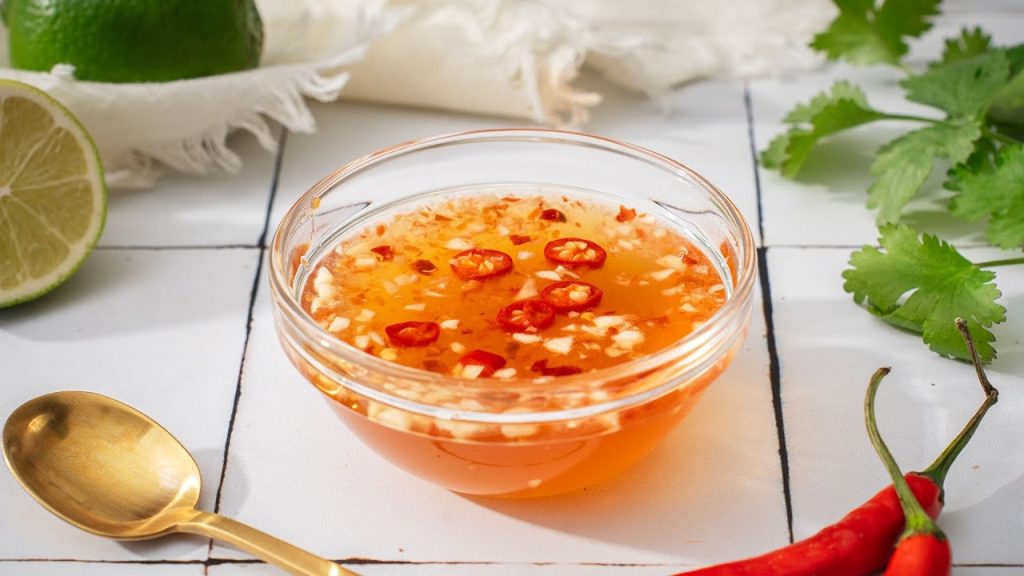
Homemade Vietnamese Fish Sauce
A simple, traditional method to make fresh fish sauce at home using fermented fish and natural seasonings. Perfect for enhancing pho, soups, and marinades.
🥘Ingredients
- 2 lbs small whole fish (anchovies, sardines, or mackerel)
- 1 cup salt
- 1 cup rice bran or rice powder
- 1 cup fermented shrimp paste (optional, for depth)
- 1 tbsp turmeric powder
- 1 tbsp black peppercorns
- 1 tbsp coriander seeds
- 1 tbsp galangal (or ginger)
- 10-12 shallots, peeled
- 1 cup water
👨🍳Directions
-
1
Rinse the fish thoroughly under cold water to remove scales and impurities. Pat dry with a clean towel. -
2
Place the fish in a clean fermentation jar. Sprinkle the salt evenly over the fish, ensuring it covers them completely. Add rice bran or powder to absorb excess moisture. -
3
Cover the jar loosely with a clean cloth or breathable fabric, securing it with a rubber band. Let the mixture ferment in a cool, dark place for 3–4 weeks, stirring occasionally. -
4
After fermentation, strain the liquid through a fine-mesh sieve into a clean container. Discard the fish solids. Mix in the fermented shrimp paste, turmeric, peppercorns, coriander, galangal, and shallots. Stir well. -
5
Add water to the mixture, ensuring it’s fully submerged. Seal the container tightly and let it ferment for another 2–3 weeks in a cool, dark place. -
6
Strain the mixture again through a clean cloth or fine-mesh sieve to remove any remaining solids. Bottle the sauce in clean, airtight bottles. Store in a cool, dark place for at least 6 months before use.
🔧Equipment
- Large fermentation jar
- Clean cloth or breathable fabric
- Wooden spoon
- Fine-mesh strainer
📊Nutrition Facts (per serving)
📝Notes
- For a milder flavor, ferment the fish base for a shorter period (2–3 weeks). For a stronger taste, extend to 5–6 weeks.
- Ensure all equipment and containers are completely clean to prevent contamination.
- Use the fish sauce within 1–2 years for the best flavor and potency.
Watch Video Of How Homemade Vietnamese Fish Sauce Works
❓ Frequently Asked Questions About Vietnamese Fish Sauce
How do I store homemade Vietnamese fish sauce?
Homemade Vietnamese fish sauce should be stored in a clean, airtight container in the refrigerator for up to three months. For longer storage, transfer it to a glass jar and freeze it for up to a year. Always check for any signs of spoilage, like a foul odor or cloudiness, before using.
Can I substitute anchovies for another type of fish in this recipe?
While traditional Vietnamese fish sauce is made with anchovies, you can experiment with small, oily fish like mackerel or sardines if you have them available. However, the flavor profile may differ slightly, so adjust seasoning to taste once the sauce is made.
What if my fish sauce ends up too salty?
If your homemade fish sauce is too salty, you can dilute it with a little water or vinegar (like rice vinegar) and let it sit for a few hours before using. For a stronger flavor, let it reduce slightly by simmering gently for about 10 minutes.
How long does it take for the fermentation process to complete?
Fermentation typically takes 3 to 6 months, depending on temperature and humidity. Keep the jar in a warm, dark place (around 75–85°F) for the first few weeks, then move it to a cooler spot once the smell becomes strong and sour. Patience is key—don’t rush it!
Why is the recipe for this fish sauce so specific about using fresh anchovies?
Fresh anchovies are crucial because their flesh is delicate and absorbs flavors well during fermentation. Older or dried anchovies can introduce unwanted bitterness or off-flavors. If you can’t find fresh ones, use high-quality, high-grade dried anchovies that haven’t been salted excessively.

