
african foods and recipe

The Best african foods and recipe
For me, this dish is more than just food—it’s a way to share a little bit of Africa with my kids. They’ve grown up eating these flavors, and they’ll tell you it’s their favorite way to enjoy a meal. It’s versatile enough to be served at a casual family dinner or as part of a larger spread for a gathering, but it’s also something you can make every week without ever getting tired of it. Plus, the way it balances protein, fiber, and vitamins makes it a healthier choice than many takeout meals. My family loves how it stays satisfying for hours, and the spices make it feel like a little adventure in every bite. It’s the kind of dish that feels comforting yet exciting, and that’s why I keep it on the menu.
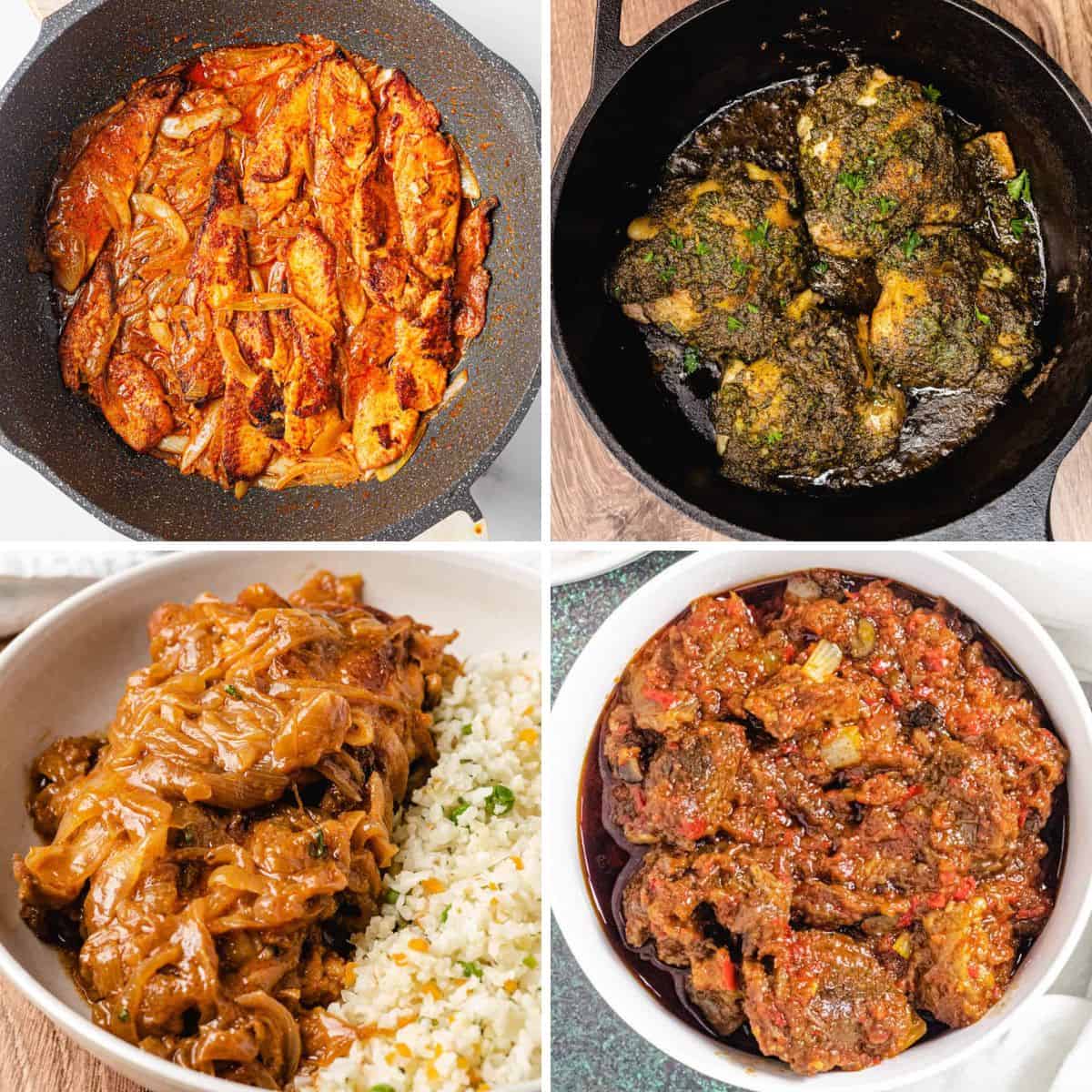
Jollof Rice with Spiced Chicken
A bold, flavorful one-pot dish featuring tender chicken and fragrant rice cooked in a rich tomato-based sauce. Perfect for sharing with family and friends.
🥘Ingredients
- 1.5 lbs boneless chicken thighs
- 1 cup chicken broth
- 1 tbsp olive oil
- 1 tsp ground thyme
- 1 tsp smoked paprika
- 1 tsp dried oregano
- 2 cups long-grain white rice
- 2 tbsp vegetable oil
- 1 large onion, finely chopped
- 3 cloves garlic, minced
- 1 bell pepper, diced
- 1 cup tomato sauce
- 1 tsp ground cumin
- 1 tsp dried red pepper flakes
- Fresh cilantro, chopped
- Lemon wedges
- Extra vegetable oil
👨🍳Directions
-
1
Pat the chicken thighs dry and season with thyme, smoked paprika, and oregano. Heat olive oil in a large pot over medium-high heat. Brown the chicken on both sides (about 5 minutes per side), then remove and set aside. -
2
In the same pot, sauté the chopped onion, garlic, and bell pepper until softened (about 5 minutes). Stir in the tomato sauce, cumin, and red pepper flakes. Cook for 3 minutes to deepen the flavors. -
3
Return the chicken to the pot, add chicken broth, and bring to a simmer. Cover and cook for 15 minutes. Remove chicken, shred, and return to the pot. -
4
Rinse and drain the rice thoroughly. Add rice to the pot, stir to coat in the sauce, then cover and simmer on low heat for 20 minutes. Do not stir. -
5
Once the rice is tender and the liquid is absorbed, fluff gently with a fork. Garnish with chopped cilantro and serve with lemon wedges.
🔧Equipment
- Large pot
- Skillet
- Mixing bowls
- Wooden spoon
- Colander
📊Nutrition Facts (per serving)
📝Notes
Watch Video Of How Jollof Rice with Spiced Chicken Works
❓ Frequently Asked Questions About Jollof Rice with Spiced Chicken
1. What makes African cuisine distinct compared to other global cuisines?
African cuisine varies widely across regions due to diverse cultures, climates, and historical influences. Staples often include grains like sorghum, millet, and rice, along with legumes such as beans and lentils. Spices like turmeric, ginger, and peppers play a central role, shaping bold, aromatic flavors. Many dishes also incorporate fresh produce, citrus fruits, and herbs like cilantro and mint. Unlike some cuisines that rely heavily on meat, African cooking frequently centers on plant-based ingredients, reflecting both tradition and sustainability.
—
2. Can I make this African recipe gluten-free or dairy-free?
Most African recipes are naturally gluten-free, especially those using grains like sorghum or millet. However, check for hidden gluten in sauces or stock cubes. For dairy-free, swap butter with oil or coconut milk, and ensure cheeses or yogurts used are plant-based. For example, in a Jollof rice dish, replace yogurt with coconut yogurt and use olive oil instead of butter. Always verify ingredient labels to avoid cross-contamination risks.
—
3. What’s the best way to store leftovers from African dishes like fried plantains or stews?
Fried plantains or stews typically keep well in the fridge for 3–4 days. Store them in an airtight container, separating them from raw ingredients to prevent cross-contamination. For stews, let them cool slightly before refrigerating to avoid condensation. Reheat gently on the stovetop or microwave, adding a splash of water if the texture becomes too thick. For plantains, reheat until soft and slightly browned to restore crispness.
—
4. How can I adapt a traditional African recipe for a larger group or meal prep?
For larger batches, double or triple ingredient quantities proportionally, ensuring you have enough oil, water, or broth to prevent drying. For example, in a peanut stew, increase the peanut butter gradually to avoid bitterness. Prep ingredients ahead: chop onions, garlic, and vegetables, then store in containers. Cook grains like rice or couscous separately and reheat before mixing with sauces. Use slow cookers or pressure cookers for hands-off stews, adding spices and aromatics in layers for depth.
—
5. Are there any common mistakes to avoid when cooking African dishes at home?
One mistake is overcooking grains like rice or millet, which can turn mushy. Cook them in a 1:2 rice-to-water ratio and stir gently once boiling. Another pitfall is skimming fat from stews too aggressively—it adds flavor! Let the fat settle naturally. Overcrowding a pan can also prevent crispiness in dishes like fried plantains or dough balls. Cook in batches if needed, and don’t forget to adjust salt gradually, as African flavors often rely on balance.

