
asian cabbage recipe

- The Best asian cabbage recipe
- Spicy Korean Kimchi Fried Rice with Asian Cabbage
- 🥘Ingredients
- 👨🍳Directions
- 🔧Equipment
- 📊Nutrition Facts (per serving)
- 📝Notes
- Watch Video Of How Spicy Korean Kimchi Fried Rice with Asian Cabbage Works
- ❓ Frequently Asked Questions About Spicy Korean Kimchi Fried Rice with Asian Cabbage
The Best asian cabbage recipe
Health-wise, Asian cabbage is packed with vitamins and fiber, which means it’s great for digestion and keeping you feeling full without all the extra calories. My husband always says it’s like nature’s salad—no fuss, just good stuff. And because it’s so simple, you can adjust the seasoning to taste, whether you’re making it with a spicy peanut sauce or just a simple garlic and soy dressing. My family loves how it pairs with everything from grilled chicken to soft tacos or even just as a side with eggs. It’s that kind of dish that feels like a little treat, but it’s really just a smart choice. Plus, it’s one of those recipes that doesn’t take long, so it’s always there when you need it.
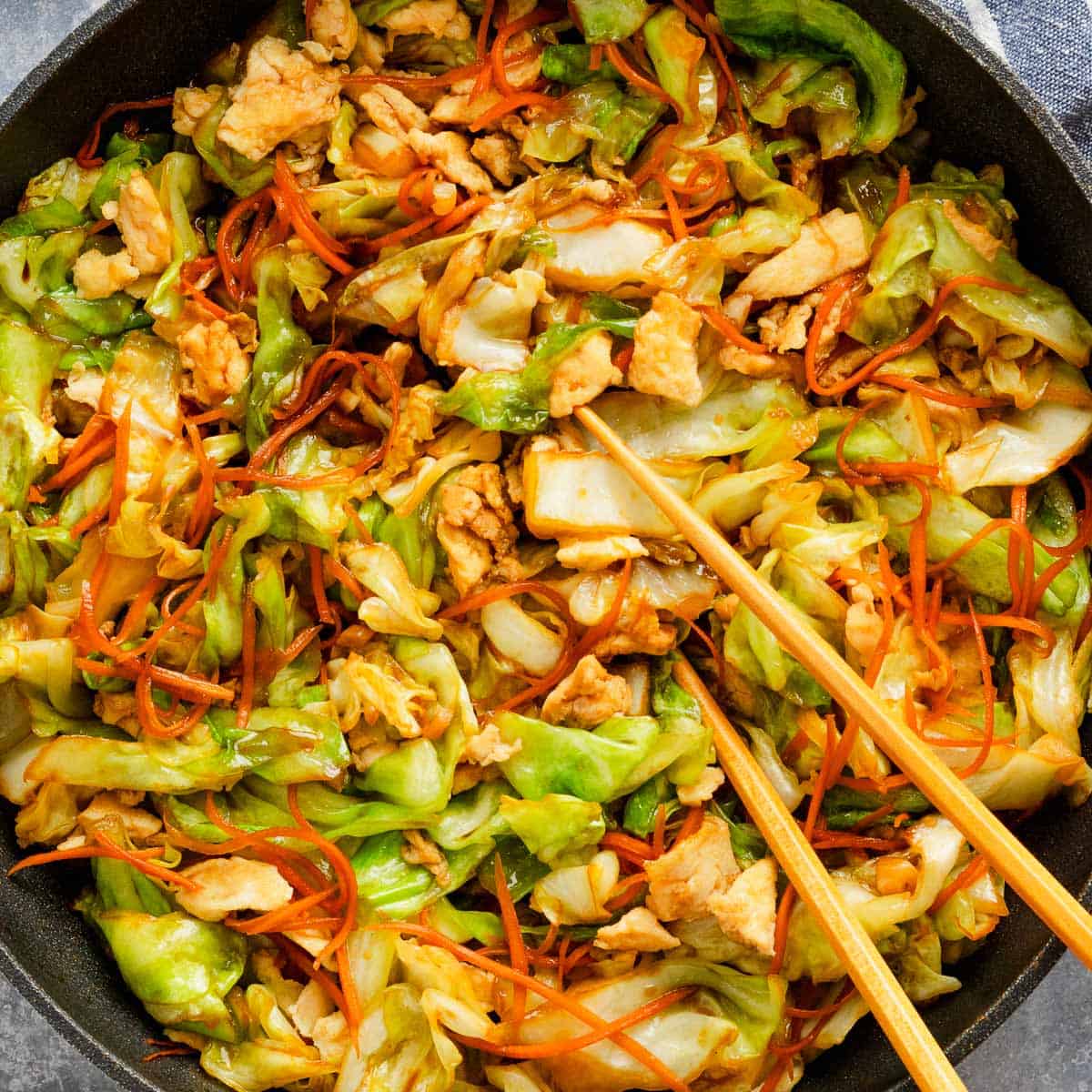
Spicy Korean Kimchi Fried Rice with Asian Cabbage
A flavorful and comforting dish combining kimchi fried rice with sautéed Asian cabbage, perfect for a quick and healthy meal. The dish features a tangy, spicy sauce and a mix of textures from the crisp cabbage and soft rice.
🥘Ingredients
- 2 cups cooked jasmine rice, slightly cooled
- 1 cup kimchi, chopped
- 2 tbsp gochujang (Korean red pepper paste)
- 1 tbsp soy sauce
- 1 tbsp sesame oil
- 1 clove garlic, minced
- 1 tsp grated ginger
- 1 green onion, sliced
- 1 large Asian cabbage (about 1.5 kg), thinly sliced
- 2 tbsp vegetable oil
- 1 tbsp soy sauce
- 1 tsp sesame oil
- 1 clove garlic, minced
- 1 tsp grated ginger
- 1 tsp sugar
- 1 tsp red pepper flakes (optional)
👨🍳Directions
-
1
Preheat a large skillet or wok over medium-high heat. Add vegetable oil and heat for 30 seconds. -
2
Add sliced Asian cabbage to the skillet. Stir-fry for 5-7 minutes until cabbage is wilted and slightly charred. Add soy sauce, sesame oil, garlic, ginger, sugar, and red pepper flakes. Mix well and cook for another 3 minutes. Set aside. -
3
In the same skillet, add a bit more oil if needed. Add minced garlic and ginger, sauté for 30 seconds until fragrant. Add gochujang and soy sauce, stir to combine. -
4
Add the cooked jasmine rice to the skillet. Stir-fry for 2-3 minutes until the rice is heated through and lightly toasted. Mix in the chopped kimchi and green onions. Cook for another 2 minutes. -
5
Transfer the kimchi fried rice to a serving dish. Garnish with extra green onions if desired.
🔧Equipment
- Large skillet or wok
- Cutting board
- Knife
- Mixing bowls
- Measuring cups and spoons
📊Nutrition Facts (per serving)
📝Notes
- Tip 1: Ensure your kimchi is well-seasoned and packed with vegetables for the best flavor.
- Tip 2: Adjust the amount of red pepper flakes to suit your spice tolerance.
- Tip 3: For extra protein, add cooked shrimp, chicken, or tofu to the rice.
- Tip 4: Use leftover rice for this dish to minimize waste.
Watch Video Of How Spicy Korean Kimchi Fried Rice with Asian Cabbage Works
❓ Frequently Asked Questions About Spicy Korean Kimchi Fried Rice with Asian Cabbage
1. What are the key ingredients required for making Asian cabbage (or Chinese cabbage) and how do they contribute to the dish?
Asian cabbage, also known as Chinese cabbage, is typically used in stir-fries, soups, or salads. The key ingredients include:
– Cabbage: The main vegetable, providing a crisp texture and mild flavor.
– Garlic and Ginger: These aromatic ingredients add a savory depth and freshness to the dish.
– Soy Sauce: Essential for umami flavor and seasoning.
– Oil: Used for sautéing to achieve a crispy texture.
– Sesame Oil: Adds a nutty aroma and enhances flavor.
– Salt and Pepper: For basic seasoning.
– Optional Add-ins: Bell peppers, carrots, or tofu can be added for variety.
2. How should I prepare the cabbage before cooking to ensure it’s tender and flavorful?
To prepare Asian cabbage properly:
– Wash and trim: Rinse the cabbage thoroughly under cold water to remove dirt. Remove the tough outer leaves and cut into wedges or thin strips.
– Sauté or stir-fry: Heat oil in a pan, then sauté the cabbage until it softens (about 5-7 minutes). For extra crispiness, slightly charring the edges works well.
– Seasoning: Toss with minced garlic, ginger, soy sauce, and a pinch of salt or sugar while cooking.
– Rest: Let it sit for a few minutes after cooking to allow flavors to meld.
3. What’s the best way to cook Asian cabbage for a quick stir-fry versus a slow-cooked dish like a soup or braised dish?
– Quick Stir-Fry: Slice the cabbage thinly, sauté in a hot pan with oil, garlic, and ginger for 3-5 minutes until tender-crisp. Add soy sauce, sesame oil, and optional proteins like tofu or shrimp.
– Slow-Cooked Dish (e.g., braised or soup): Use thicker slices or whole heads, simmer in broth with aromatics (ginger, garlic, star anise) for 20-30 minutes until soft. Add ingredients like mushrooms, onions, or vegetables for depth.
4. Can I substitute other vegetables or proteins in Asian cabbage dishes, and what alternatives work best?
Yes! Here are some great swaps:
– Vegetables:
– Bell peppers (for color and crunch)
– Carrots (thinly sliced or julienned)
– Mushrooms (shiitake or oyster for umami)
– Broccoli or cauliflower (for a different texture)
– Proteins:
– Tofu (firm or extra-firm, pan-fried or baked)
– Chicken or shrimp (quickly stir-fried)
– Beef or pork (for a heartier dish, like a braised cabbage stew)
5. How do I store leftover Asian cabbage properly to maintain its freshness and flavor?
To store leftover Asian cabbage:
– Room Temperature: Keep in an airtight container for up to 3 days.
– Fridge: Store in a sealed container for up to 1 week. For longer storage, freeze:
– Prep: Slice and blanch (boil for 2 minutes) before freezing.
– Freezing: Portion into bags or containers, label with the date. Cook from frozen by adding 1-2 extra minutes to the recipe.
– Reheating: Warm in a pan with oil, garlic, and a splash of soy sauce to restore crispness. Avoid microwaving directly to prevent sogginess.


