
authentic mexican enchilada sauce recipe

The Best authentic mexican enchilada sauce recipe
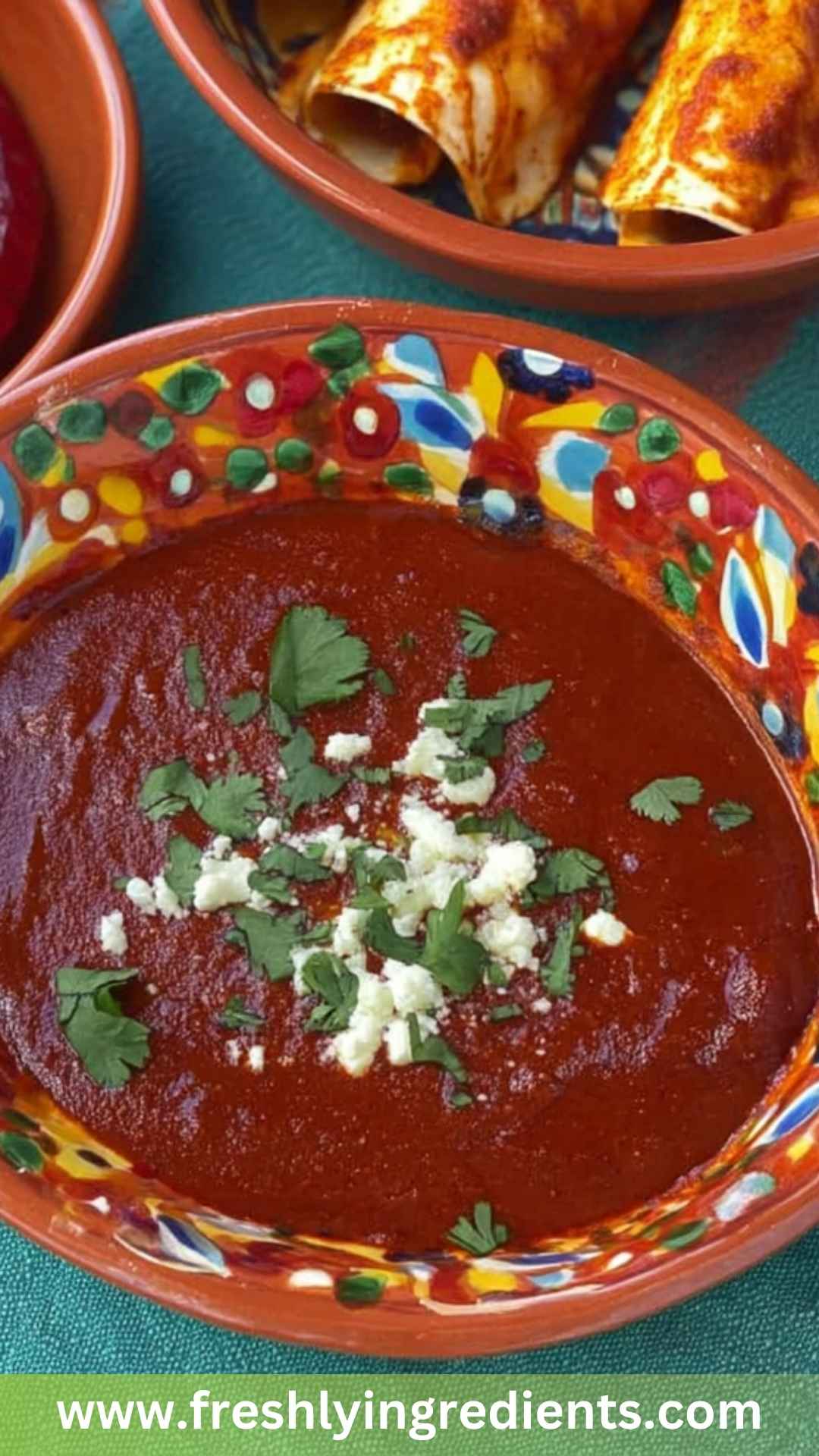
Authentic Mexican Red Enchilada Sauce
A rich, smoky red enchilada sauce made with tomatoes, onions, and spices, perfect for coating enchiladas, tacos, or burritos. This recipe is a must-try for any occasion.
🥘Ingredients
- 4 medium tomatoes, peeled and chopped
- 1 large onion, finely chopped
- 4 cloves garlic, minced
- 2 tbsp olive oil
- 1 tsp ground cumin
- 1 tsp dried oregano
- 1 tsp smoked paprika
- ½ tsp chili powder
- ½ tsp salt
- ¼ tsp black pepper
- 2 cups chicken or vegetable broth
- 1 jalapeño, seeded and finely chopped (adjust for heat preference)
- 1 tbsp tomato paste
- 1 bay leaf
👨🍳Directions
-
1
In a large pot, heat olive oil over medium heat. Sauté onion and garlic until soft and translucent (~5 mins). -
2
Add chopped tomatoes, jalapeño (if using), tomato paste, and spices. Stir well and cook for 5 minutes. -
3
Pour in the broth and bay leaf. Bring to a simmer, then reduce heat to low. Let it cook uncovered for 25–30 mins, stirring occasionally, until thickened. -
4
Strain the sauce through a fine-mesh sieve to remove seeds and skins (optional for smoother texture). -
5
Remove the bay leaf and adjust seasoning with salt and pepper if needed. Keep warm until ready to use.
🔧Equipment
- Large pot
- Wooden spoon
- Blender or food processor (optional)
- Fine-mesh sieve
- Saucepan
- Whisk
📊Nutrition Facts (per serving)
📝Notes
- For extra depth, add a splash of vinegar or a pinch of sugar to balance acidity.
- Store sauce in an airtight container in the fridge for up to 5 days or freeze for up to 3 months.
- Traditionally, this sauce is served with corn tortillas and topped with shredded chicken or cheese.
Watch Video Of How Authentic Mexican Red Enchilada Sauce Works
❓ Frequently Asked Questions About Mexican Red Enchilada Sauce
What is the difference between red and green enchilada sauce, and which one should I use for a traditional Mexican dish?
The difference between red and green enchilada sauce lies in the primary ingredient: red sauce is made with tomatillos or tomatoes, while green sauce uses tomatillos and chiles like serrano, guajillo, or pasilla. For a traditional Mexican enchilada (like those from Oaxaca or Jalisco), red sauce is more common, especially in the northern or central regions. However, green sauce is traditional in Oaxaca, where it’s often paired with corn tortillas and chicken. If you’re making a classic red enchilada (like the ones from Michoacán), a simple tomato-tomatillo blend works best.
—
Can I make enchilada sauce without canned tomatoes or tomatillos, and if so, what substitutes would work best?
Yes, you can make enchilada sauce without canned tomatoes or tomatillos! For a red sauce, substitute fresh tomatoes (about 4-5 ripe ones) blended with a little onion, garlic, and a pinch of cumin. For a green sauce, use fresh tomatillos (steamed first) with guajillo or ancho chiles, plus a splash of lime juice. If you’re in a pinch, roasted red peppers (like those in a jar) can work for a milder, smoky flavor. Just adjust seasoning to taste—Mexican sauces are often tangy and slightly sweet.
—
How do I properly prepare and blend the ingredients to avoid a watery or mushy sauce?
To get a thick, rich, and well-balanced enchilada sauce, follow these key steps:
1. Roast the chiles and tomatoes/tomatillos (if using fresh) in a dry skillet until charred—this deepens the flavor and removes bitterness.
2. Toast the spices (cumin, oregano, garlic powder) in the same pan for 30 seconds to wake up their aromas.
3. Blend with a little oil or broth—don’t over-blend; pulse until smooth but still slightly chunky. A little cornstarch or potato starch mixed into the sauce can help thicken it further.
4. Simmer gently after blending to reduce excess moisture. For a smoother texture, strain the sauce through a fine-mesh sieve if needed, but traditional recipes often leave it slightly textured.
5. Adjust with acidity (lime juice or vinegar) and salt to taste—Mexican sauces are meant to be bright and balanced.
—
Should I use the same sauce for both red and green enchiladas, and how do I adjust the flavors for each?
No, red and green enchiladas have distinct flavor profiles, so it’s best to use separate sauces. Here’s how to adapt:
– Red sauce (tomato-based) is tangy, slightly sweet, and mild. Use tomatillos, tomatoes, onion, garlic, cumin, and a splash of lime juice. Add a pinch of sugar if the sauce is too acidic.
– Green sauce (chile-based) is smoky, slightly sweet, and spicy. Use guajillo or ancho chiles, tomatillos, onion, garlic, and a touch of cinnamon or chocolate (traditional in Oaxacan versions). For heat, add serrano or jalapeño chiles.
– For both, always balance with salt, acid (lime), and a pinch of sugar if needed. Avoid overpowering the sauce with spices—Mexican flavors are often subtle and layered.
—
How long should I cook the enchiladas in the sauce, and what’s the best way to serve them?
Enchiladas should be simmered in their sauce for 10–15 minutes on medium heat to let the flavors meld and the tortillas soften slightly. Overcooking can make them mushy, so keep an eye on them. For the best texture:
– Use corn tortillas (not flour) for a traditional feel, and roll them tightly with filling.
– Serve immediately with crumbled queso fresco, chopped cilantro, diced onions, and a squeeze of lime. A sprinkle of cotija or feta cheese adds a salty contrast.
– For a classic presentation, place enchiladas in a baking dish, cover with sauce, and broil for 2–3 minutes to slightly thicken the sauce. Garnish with a drizzle of oil or a sprinkle of chili powder.


