
baked flounder recipe

- The Best baked flounder recipe
- Herb-Crusted Baked Flounder with Lemon-Dill Sauce
- 🥘Ingredients
- 👨🍳Directions
- 🔧Equipment
- 📊Nutrition Facts (per serving)
- 📝Notes
- Watch Video Of How Herb-Crusted Baked Flounder with Lemon-Dill Sauce Works
- ❓ Frequently Asked Questions About Herb-Crusted Baked Flounder with Lemon-Dill Sauce
The Best baked flounder recipe
My kids have grown up eating baked flounder, and honestly, they don’t even notice it’s healthy. They’ll eat it straight from the pan with a side of roasted veggies or mashed potatoes, and it’s always a hit. It’s not just a meal; it’s a way to make dinner feel like a little celebration, even on weeknights. And because it’s so easy, I can whip it up when we’re hosting a small gathering or just when I want to treat myself to something fresh and light. The kids love the way it flakes apart easily, and the mild, buttery taste makes it a crowd-pleaser without being overpowering. It’s that kind of dish that feels like a little indulgence, but it’s really just a balanced, wholesome meal that works for any occasion—whether it’s a family dinner, a weekend brunch, or even just a quick lunch to keep things interesting.
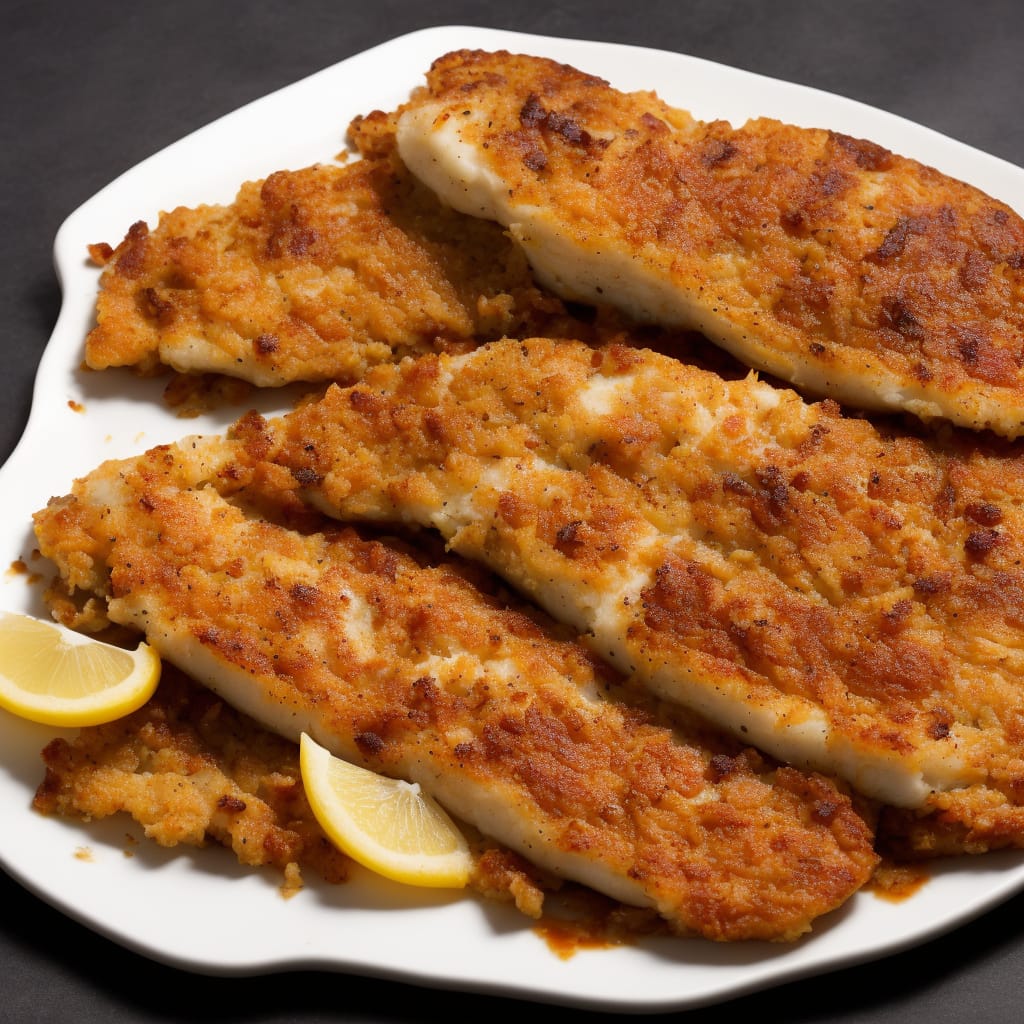
Herb-Crusted Baked Flounder with Lemon-Dill Sauce
A delicate and flavorful baked flounder dish featuring a light herb crust and a zesty lemon-dill sauce, perfect for a light yet satisfying meal. This recipe is a must-try for any occasion.
🥘Ingredients
- 4 flounder fillets (about 6 oz each)
- 1 tbsp olive oil
- 1 tsp dried dill
- 1 tsp dried parsley
- ½ tsp garlic powder
- ½ tsp paprika
- Salt and pepper to taste
- ½ cup mayonnaise
- 2 tbsp fresh lemon juice
- 2 tbsp chopped fresh dill
- 1 clove garlic, minced
- 1 tsp Dijon mustard
- Salt and pepper to taste
- 1 tbsp butter (for brushing)
- 1 lemon, sliced (for garnish)
👨🍳Directions
-
1
Preheat oven to 400°F (200°C). Line a baking sheet with parchment paper. -
2
In a small bowl, mix dried dill, parsley, garlic powder, paprika, salt, and pepper. Set aside. -
3
Place flounder fillets on the prepared baking sheet. Brush each fillet lightly with olive oil and sprinkle with the herb mixture. Press gently to adhere. -
4
Bake for 12-15 minutes or until the flounder flakes easily with a fork and reaches an internal temperature of 145°F (63°C). -
5
While flounder is baking, prepare the sauce: In a small bowl, mix mayonnaise, lemon juice, chopped dill, minced garlic, Dijon mustard, salt, and pepper. -
6
Once flounder is done, brush with a bit of melted butter (if using). Serve warm with the lemon-dill sauce on top.
🔧Equipment
- Mixing bowl
- Baking sheet
- Oven
- Mixing spoon
- Small bowl
- Knife and cutting board
- Measuring spoons
📊Nutrition Facts (per serving)
📝Notes
Tips
- Ensure flounder is cooked thoroughly to avoid any potential undercooking risks.
- For extra flavor, add a pinch of lemon zest to the herb mixture.
- Substitute fresh dill with 1.5 tsp dried dill if needed.
- Serve with steamed vegetables or a simple side salad for a balanced meal.
Watch Video Of How Herb-Crusted Baked Flounder with Lemon-Dill Sauce Works
❓ Frequently Asked Questions About Herb-Crusted Baked Flounder with Lemon-Dill Sauce
1. What is the best way to prepare flounder for baking?
To prepare flounder for baking, start by cleaning and patting it dry with paper towels. Remove any remaining bones by gently pulling them out with tweezers or a fork. Trim excess fat if needed, then season the fish lightly with salt, pepper, and your choice of herbs (like dill, lemon pepper, or paprika). For extra flavor, you can also marinate the flounder in a mixture of olive oil, lemon juice, garlic, and herbs for about 15-30 minutes before baking.
2. What is the ideal temperature and time for baking baked flounder?
Baked flounder is best cooked at 375°F (190°C) for 12–15 minutes per inch of thickness, flipping halfway through. For example, a 1-inch thick fillet should bake for about 12–14 minutes, while a thicker cut (2 inches) may take 18–20 minutes. Always check doneness by testing the thickest part—it should flake easily with a fork and reach an internal temperature of 145°F (63°C).
3. Can I use frozen flounder instead of fresh, and how do I thaw it properly?
Yes, you can use frozen flounder, but it’s best to thaw it properly for even cooking. Place the frozen fillets in a resealable plastic bag and submerge them in cold water for 30–60 minutes, changing the water every 15 minutes if needed. Alternatively, thaw in the fridge overnight. Avoid thawing at room temperature, as this can encourage bacterial growth. Once thawed, pat dry before seasoning and baking.
4. What are some great side dishes to pair with baked flounder?
Baked flounder pairs beautifully with light, fresh, and slightly tangy sides. Some excellent options include:
– Lemon butter mashed potatoes (creamy and buttery)
– Steamed asparagus with garlic and olive oil
– Simple green salad with a citrus vinaigrette
– Roasted cherry tomatoes with basil
– Quinoa or wild rice pilaf (for a heartier option)
– Cucumber and avocado salad (refreshing contrast)
A light herb butter or a sprinkle of fresh parsley and lemon zest also enhances the dish without overpowering it.
5. How do I know if baked flounder is cooked properly?
To ensure flounder is cooked perfectly:
– Flavor test: The thickest part should flake easily with a fork when pierced.
– Color check: The flesh should turn opaque white (not translucent) and slightly translucent pink (if using whole fish).
– Internal temperature: Use a meat thermometer to check—145°F (63°C) is the safe minimum for flounder.
– Texture: The skin should be crispy, and the flesh should be firm but tender, not rubbery.
If any of these don’t meet the standards, the fish needs more time in the oven.
