
beef chuck recipe

The Best beef chuck recipe
What I love most about chuck is how versatile it is. It’s the kind of cut that breaks down beautifully, making it perfect for pot roast, pulled pork, or even a simple roast beef sandwich. It’s also one of those recipes that’s easy to customize—add carrots, onions, or even a splash of wine to deepen the flavor. And because it’s a leaner cut than some other roasts, it’s a healthier option than you might think. My husband and I keep it on hand for game days or when we’re feeding a crowd because it’s always a hit. Plus, the slow cooking process makes it so forgiving; no one has to stress over overcooking it. It’s a reliable dish that never fails to satisfy.
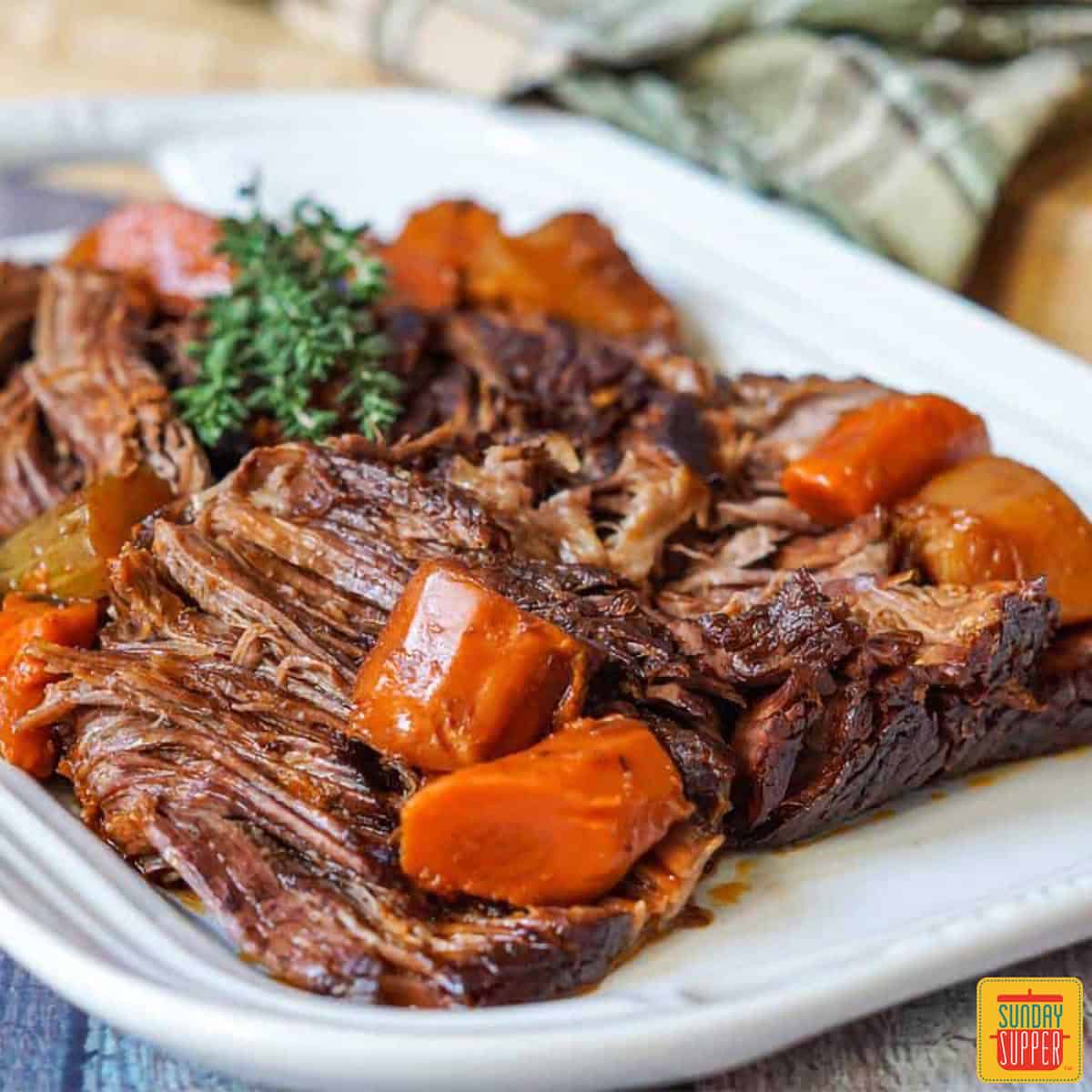
Beef Chuck Stew
A hearty and flavorful stew made with tender beef chuck, rich in savory broth and aromatic vegetables. This recipe is a must-try for any occasion.
🥘Ingredients
- 2 lbs beef chuck
- 2 tbsp olive oil
- 2 tbsp Worcestershire sauce
- 2 tbsp tomato paste
- 1 tsp smoked paprika
- 1 tsp dried thyme
- 1 tsp dried rosemary
- 8 cups beef broth
- 1 large onion, diced
- 4 carrots, sliced
- 4 celery stalks, sliced
- 3 garlic cloves, minced
- 1 bay leaf
- 1 tbsp tomato powder
- 1 cup red wine (optional)
- Fresh parsley, chopped
- Crusty bread, sliced
👨🍳Directions
-
1
Preheat oven to 400°F (200°C). In a large oven-safe pot, place beef chuck in a single layer. Rub with olive oil, Worcestershire sauce, tomato paste, smoked paprika, thyme, and rosemary. Roast for 20 minutes, then flip and roast another 20 minutes until browned. -
2
While beef roasts, in a separate pot, sauté onion, carrots, celery, and garlic in a bit of olive oil until softened (about 5 minutes). Add beef broth, tomato powder, and red wine (if using). Simmer for 10 minutes to deepen flavors. -
3
Remove roasted beef from the oven-safe pot and set aside. Pour the broth mixture into the pot, add the roasted beef, bay leaf, and simmer for 1 hour 15 mins, stirring occasionally. If needed, add more broth to keep it covered. -
4
Remove the beef from the pot using a slotted spoon, discarding the bay leaf. Shred the beef using forks and return it to the pot. Simmer uncovered for another 15 minutes to thicken the stew. -
5
Taste and adjust seasoning if needed. Garnish with chopped parsley and serve with sliced crusty bread.
🔧Equipment
- Large Dutch oven or heavy pot
- Cutting board
- Knife
- Measuring cups and spoons
- Wooden spoon
- Oven-safe pot (for browning beef)
- Slotted spoon
📊Nutrition Facts (per serving)
📝Notes
- For extra tenderness, let the beef rest in the broth overnight before serving.
- Use beef chuck with a good marbling for the best results.
- Substitute beef broth with vegetable broth for a vegetarian version.
- Adjust cooking time based on beef thickness; thicker cuts may need up to 2 hours.
Watch Video Of How Beef Chuck Stew Works
❓ Frequently Asked Questions About Beef Chuck Stew
What is the best way to prepare beef chuck for roasting?
Beef chuck is ideal for roasting because it has a good balance of fat and collagen, making it tender and flavorful when cooked slowly. Start by trimming excess fat and leaving about ½ inch of fat cap for flavor. Season generously with salt, pepper, and your choice of herbs or spices (like rosemary, thyme, or garlic). For a classic method, sear the chuck in a hot pan with butter, oil, or bacon fat to develop a rich crust before transferring it to a preheated oven (around 275–300°F/135–150°C) for 2–3 hours, basting occasionally. For a more hands-off approach, use a slow cooker or Dutch oven on low heat for 6–8 hours.
—
How do I ensure my beef chuck roast stays tender?
Tenderness comes from slow, even cooking to break down collagen. Here’s how to keep it juicy:
– Rest it properly: After roasting, let the roast rest for 15–20 minutes before carving—this redistributes juices.
– Don’t overcook: Use a meat thermometer to check doneness (125–130°F/52–54°C for medium-rare, 130–135°F/54–57°C for medium). Chuck roast should be fork-tender, not dry.
– Brine or salt it: Brining (soaking in saltwater for 4–12 hours) or dry-brining (salt overnight) enhances moisture. For dry-brining, pat dry before roasting.
– Fat matters: Leave a fat cap (½ inch) to render slowly, adding flavor and moisture. Trim excess fat before serving.
—
Can I use a slow cooker or Instant Pot for beef chuck, and how?
Yes! Both methods work well, but timing and techniques differ:
– Slow Cooker: Place the chuck in a covered pot, add a splash of broth or water, and cook on Low for 8–10 hours or High for 5–6 hours. For extra flavor, add aromatics like onions, garlic, or bay leaves. Shred or slice after resting.
– Instant Pot: Use the High Pressure setting for 30–40 minutes (with a 10-minute natural release). Add ½ cup broth or water, plus optional spices (e.g., cumin, paprika). Shred or slice post-cooking.
For both, a bone-in chuck roast yields the best results. Avoid overcrowding if using a slow cooker.
—
What are some great flavor pairings for beef chuck?
Chuck’s rich, beefy depth pairs beautifully with bold flavors. Try these combinations:
– Classic Herb: Garlic, rosemary, thyme, and black pepper (e.g., a “beef bouquet” with shallots).
– Smoky: Chipotle, smoked paprika, or a dry rub with brown sugar and cayenne.
– Tomato-Based: Marinara sauce, red wine reduction, or a quick-sautéed onion-tomato mix.
– Spiced: Cumin, coriander, and a touch of ginger for North African-inspired dishes.
– Buttery: Brown butter, Parmesan, and fresh herbs (like parsley) for a luxurious finish.
– BBQ: Smoky dry rubs (like a Kansas City-style) or a tangy BBQ sauce for shredded chuck tacos.
For stews or braises, add aromatics like carrots, celery, and potatoes during cooking.
—
How do I know when beef chuck is cooked perfectly?
Use these visual and internal cues to check doneness:
– Color: Medium-rare (reddish-pink center), medium (pink center), or well-done (grayish-white).
– Temperature: Use a meat thermometer—125°F (52°C) for rare, 130°F (54°C) for medium-rare, 135°F (57°C) for medium, and 145°F (63°C) for well-done.
– Texture: It should be fork-tender when resting. If it pulls apart easily, it’s likely done.
– Resting Time: Let it rest for 15–20 minutes before carving to retain juices. Slice against the grain for maximum tenderness.
– Visual Release: The juices should run clear (not pink) when the roast is cut.
For chuck roast, medium-rare to medium is ideal—it balances tenderness with flavor!

