
beef neck bones recipe

The Best beef neck bones recipe
My family loves it for all kinds of reasons. It’s perfect for a weeknight dinner when we’re all tired but still want something hearty, or it’s the star of a big holiday spread when we’re serving up a full meal with all the trimmings. My kids have a thing for the way the broth tastes when it’s simmered low and slow—it’s like they can almost taste the beef’s natural sweetness. And honestly? It’s one of the best ways to get more protein and nutrients into the family without even trying. The beef neck bones pack in all sorts of good stuff—collagen for joints, iron for energy, and those long, tender strands that melt into the broth. Plus, it’s so versatile. We use the broth for everything from chili to risotto, and the meat itself can be shredded for tacos, sandwiches, or even just tossed into a salad with some fresh greens. It’s a no-fuss way to make sure everyone’s getting what they need without any fuss.
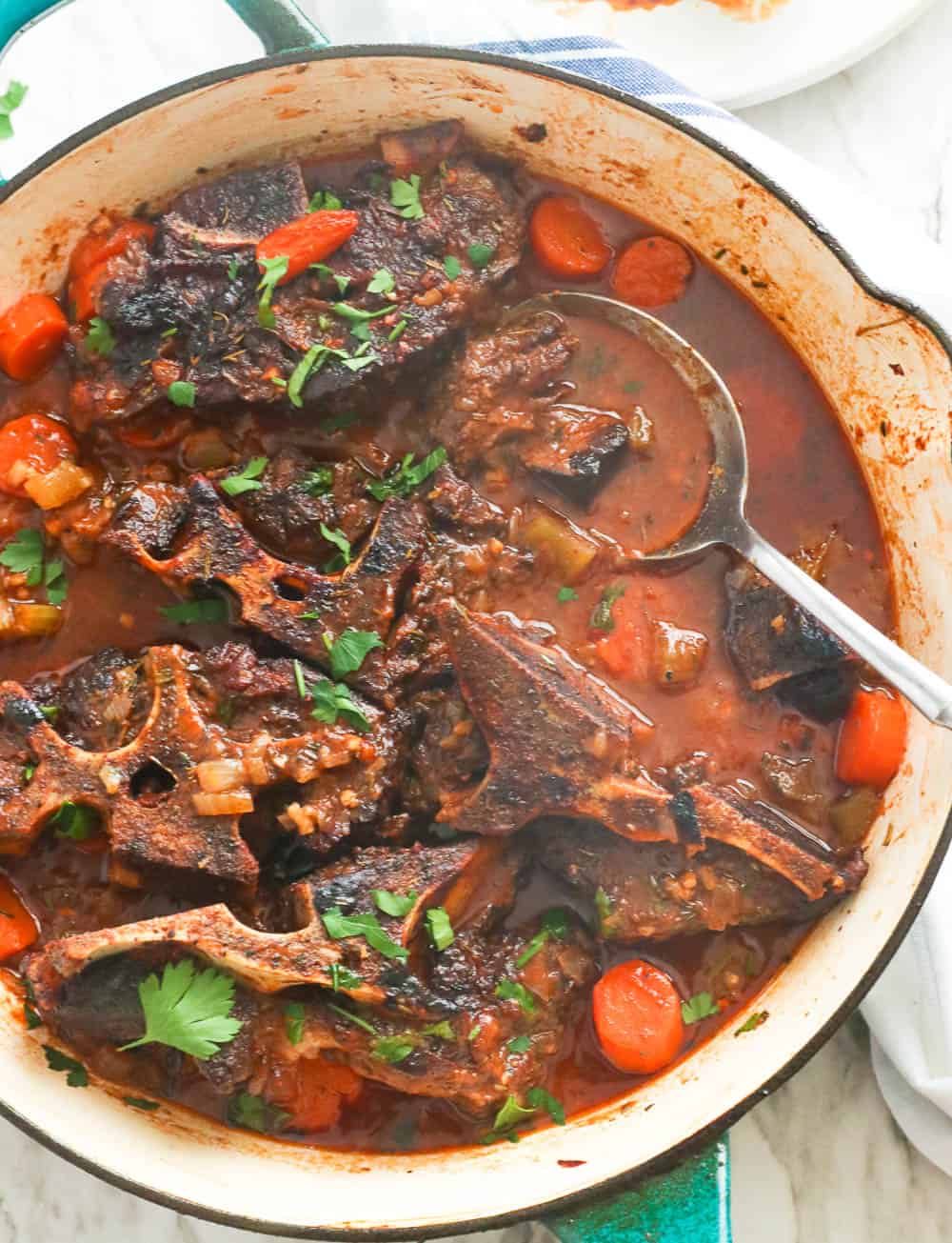
Beef Neck Bones Braised Stew
A rich, tender braised stew made from beef neck bones, slow-cooked to perfection with aromatic vegetables and a savory broth. This recipe is a must-try for any occasion.
🥘Ingredients
- 4 lbs beef neck bones (cut into 2-inch pieces)
- 4 large onions (peeled and quartered)
- 6 garlic cloves (peeled)
- 4 carrots (peeled and sliced into chunks)
- 4 celery stalks (diced)
- 2 tbsp tomato paste
- 2 bay leaves
- 1 tsp black peppercorns
- 1 tsp dried thyme
- 1 cup red wine (optional)
- 4 cups beef broth
- 2 cups water
- 2 tbsp olive oil
- Fresh parsley (chopped)
- Butter (for finishing)
👨🍳Directions
-
1
Preheat oven to 325°F (165°C). In a large Dutch oven, heat olive oil over medium-high heat. Brown the beef neck bones on all sides, about 5 minutes per side. Remove bones and set aside. -
2
In the same pot, sauté onions, garlic, carrots, and celery until softened, about 8 minutes. Stir in tomato paste, black peppercorns, and thyme, cooking for 1 minute. -
3
Return the beef bones to the pot. Pour in red wine (if using) and deglaze the pot, scraping up any browned bits. Add beef broth and water, then bring to a simmer. -
4
Cover the pot tightly with a lid and transfer to the preheated oven. Braise for 2 hours. Remove the lid and continue braising for another 30 minutes to thicken the sauce. -
5
Remove the beef bones from the pot using a slotted spoon. Discard any excess fat if needed. Skim any excess fat from the surface of the broth. Return the bones to the pot and simmer for another 30 minutes to infuse the flavors further. -
6
Strain the broth through a fine-mesh sieve into a clean pot, discarding solids. Return the strained broth to the Dutch oven. Simmer gently for 10 minutes to reduce slightly. -
7
Discard bay leaves. Shred the beef bones using two forks or a fork and knife. Return the shredded beef to the pot, stirring well to combine with the broth. Adjust seasoning if needed. -
8
Serve the beef neck bones stew hot, garnished with chopped fresh parsley and a drizzle of melted butter.
🔧Equipment
- Large Dutch oven or heavy pot
- Cutting board
- Knife
- Measuring cups and spoons
- Wooden spoon
- Slotted spoon
- Serving bowls
📊Nutrition Facts (per serving)
📝Notes
- For extra tenderness, marinate the beef neck bones in a mixture of olive oil, garlic, and herbs overnight before braising.
- Use beef neck bones as they contain more collagen, making them ideal for slow cooking and creating a rich, gelatinous broth.
- Adjust the salt content according to your taste preferences, as the broth may be quite salty.
- Store leftovers in an airtight container in the refrigerator for up to 5 days or freeze for up to 3 months.
Watch Video Of How Beef Neck Bones Braised Stew Works
❓ Frequently Asked Questions About Beef Neck Bones Braised Stew
What are beef neck bones and why are they used in braising recipes?
Beef neck bones are a type of bone-in, whole muscle cut from the neck region of a cow. They are used in braising recipes because they contain a high amount of connective tissue and collagen, which break down slowly during the cooking process. This results in a rich, flavorful broth and tender meat when combined with long, slow cooking methods like braising. The bones also provide a deep, meaty flavor that enhances the dish.
—
How long should I simmer beef neck bones for to make a rich beef broth?
For a rich beef broth, you should simmer beef neck bones for at least 4 to 6 hours, ideally 8 to 12 hours for the deepest flavor. Skimming off any foam or scum that rises to the surface during the initial stages helps ensure a clear broth. If you’re making it for braising, you can reduce this time slightly (around 3 to 4 hours) while still allowing the broth to infuse flavor into the meat.
—
What ingredients should I include when making beef neck bones for braising?
For a flavorful braising dish using beef neck bones, include these key ingredients:
– Aromatics: Large onions, garlic, carrots, celery, and fresh herbs like thyme or rosemary.
– Acids: A splash of red wine, vinegar (apple cider or white), or a bit of tomato paste for brightness.
– Spices: Black peppercorns, bay leaves, and optional additions like smoked paprika or star anise.
– Vegetables: Potatoes, carrots, or other root vegetables for thickening and texture.
– Bouillon or stock: A small amount of beef bouillon or stock to enhance depth.
– Optional: A splash of beef or balsamic vinegar for extra richness, or a pinch of sugar to balance acidity.
The bones themselves will provide most of the flavor, but these ingredients help create a well-rounded dish.
—
Can I use beef neck bones in place of other types of beef bones (like shanks or chuck roasts) for braising?
Yes, you can use beef neck bones in place of other cuts like shanks or chuck roasts, but the results may differ slightly. Neck bones are leaner and have less fat, so they’ll cook faster and may require slightly less liquid in the braising process. If you’re using them for a longer braise (like beef bourguignon), they’ll work well, but for a quick braise (like pot roast), you might need to adjust the cooking time to prevent the meat from becoming too tender before the bones break down. Shanks or chuck roasts are often preferred for heartier dishes due to their higher fat content, but neck bones are a great budget-friendly alternative.
—
What are some common mistakes to avoid when braising beef neck bones?
When braising beef neck bones, avoid these common mistakes:
– Overcrowding the pot: Cook in batches if needed to prevent the liquid from boiling too vigorously, which can make the meat tough.
– Skipping the initial sear: While not always necessary, searing the bones (or meat) in a hot pan adds depth of flavor. Skipping it can leave the dish bland.
– Using too much liquid: Too much liquid dilutes the flavor, so reduce as needed and skim excess foam early on.
– Not letting the meat rest: After braising, let the meat rest in the broth for 15–20 minutes before serving to allow juices to redistribute.
– Ignoring the bones’ role: If you’re only using the meat and discarding the bones, you’re missing out on the rich broth they create—save them for stock!


