
boudin cajun recipe

The Best boudin cajun recipe
My kids grew up eating it all the time, and honestly, they’d complain if we didn’t have it at least once a week. It’s that good. Plus, it’s not just about the taste—it’s a great way to get a little bit of protein and fiber without feeling like you’re missing out on anything. The whole grain boudin is a solid choice if you’re watching your portions, and the spices in it are packed with flavor, so you’re not just eating for calories. It’s the kind of dish that’s easy to make ahead, too, so you can prep it on a Sunday and have something ready to go for the rest of the week. And let’s be honest, there’s nothing better than a warm, homemade sausage roll with a side of mustard or a quick pickle for that perfect balance of spice and crunch. It’s the kind of recipe that’s always a hit, whether you’re feeding a crowd or just enjoying a simple meal with your family.
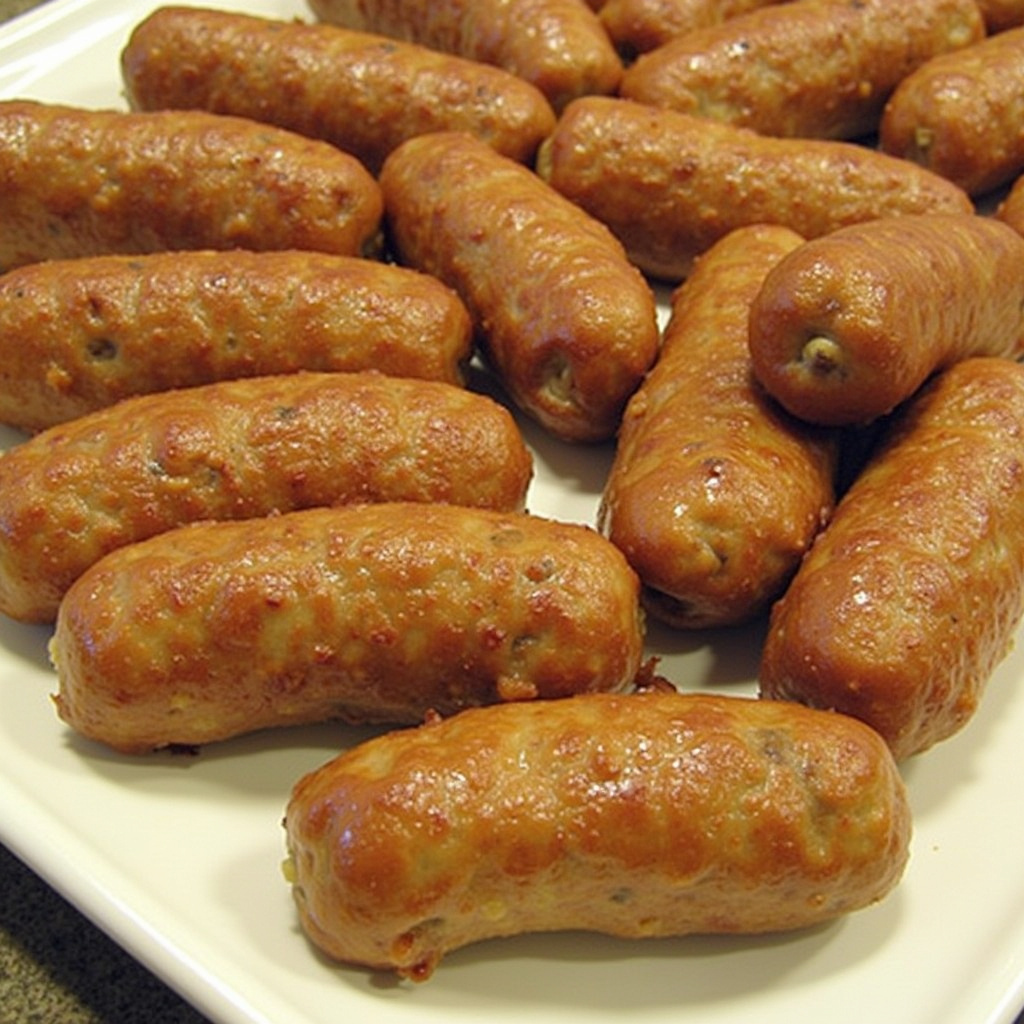
Classic Cajun Boudin
A hearty, spiced sausage made with ground pork, rice, and a blend of Cajun spices, perfect for grilling or baking. Serve with cornbread and collard greens for a complete Louisiana-style meal.
🥘Ingredients
- 2 lbs ground pork
- 1 cup cooked white rice
- 1 tsp salt
- 1 tsp black pepper
- 1 tsp paprika
- 1 tsp garlic powder
- 1 tsp onion powder
- 1/2 tsp cayenne pepper
- 1/2 tsp thyme
- 1/2 tsp oregano
- 1 cup tomato sauce
- 2 cloves garlic, minced
- 1 tbsp olive oil
- 1/2 cup water
- 1 tsp Cajun seasoning
👨🍳Directions
-
1
Mix ground pork, cooked rice, salt, pepper, paprika, garlic powder, onion powder, cayenne, thyme, and oregano in a large bowl until well combined. -
2
Stuff the mixture into sausage casings using a sausage stuffer. Tie off each link with kitchen twine. -
3
In a small saucepan, heat tomato sauce, minced garlic, olive oil, and water over medium heat. Simmer for 5 minutes, then stir in Cajun seasoning. -
4
Grill or bake boudin links at 375°F for 20–25 minutes, or until internal temperature reaches 160°F. Brush with sauce before serving.
🔧Equipment
- Mixing bowls
- Measuring cups
- Sausage casings
- Kitchen twine
- Grill or baking sheet
- Oven
📊Nutrition Facts (per serving)
📝Notes
Watch Video Of How Classic Cajun Boudin Works
❓ Frequently Asked Questions About Cajun Boudin
What is the best way to reheat boudin sausage?
Reheat boudin gently to preserve its tender texture and avoid drying it out. Place cooked boudin in a single layer on a baking sheet and warm it in a 350°F (175°C) oven for 10–15 minutes, flipping halfway through. For a quicker method, steam or microwave on low power for 2–3 minutes, stirring occasionally to ensure even heating. Avoid boiling, as it can make the casing tough.
—
Can I substitute ground pork for the pork blend in this recipe?
While traditional boudin uses a mix of pork and beef, you can use 100% ground pork for a simpler version. However, if you want to keep the dish heartier, blend 70% pork and 30% beef for a richer texture. Keep in mind that pure pork may require slightly longer cooking to develop the same depth of flavor.
—
What’s the trick to keeping boudin from sticking to the pan?
To prevent sticking, use a nonstick or cast-iron skillet and maintain a moderate heat. Start cooking on medium-low, adding a splash of water or broth to the pan before adding the sausage mix. Stir frequently and avoid overcrowding the pan. If needed, lightly grease the pan with butter or oil before filling.
—
How can I make this boudin recipe gluten-free?
For a gluten-free version, replace the all-purpose flour in the binder with a 1:1 gluten-free flour blend (like rice flour or a mix of almond and tapioca starch). Ensure all other ingredients—like the pork blend and seasonings—are certified gluten-free. Test the mixture thoroughly, as gluten-free flours can behave differently in binding.
—
Why does my boudin turn out tough, and how do I fix it?
Tough boudin often happens from overcooking or using too much flour in the binder. To fix it, reduce the flour to 1–2 tablespoons (or omit it entirely if using a wet binder like egg wash). Cook the sausage mix quickly over medium heat, stirring until it’s fully set but not browned. Avoid pressing the casing too hard while stuffing—this can squeeze out moisture. If already tough, slice thinly and reheat gently.
