
bread machine recipe for sourdough

The Best bread machine recipe for sourdough
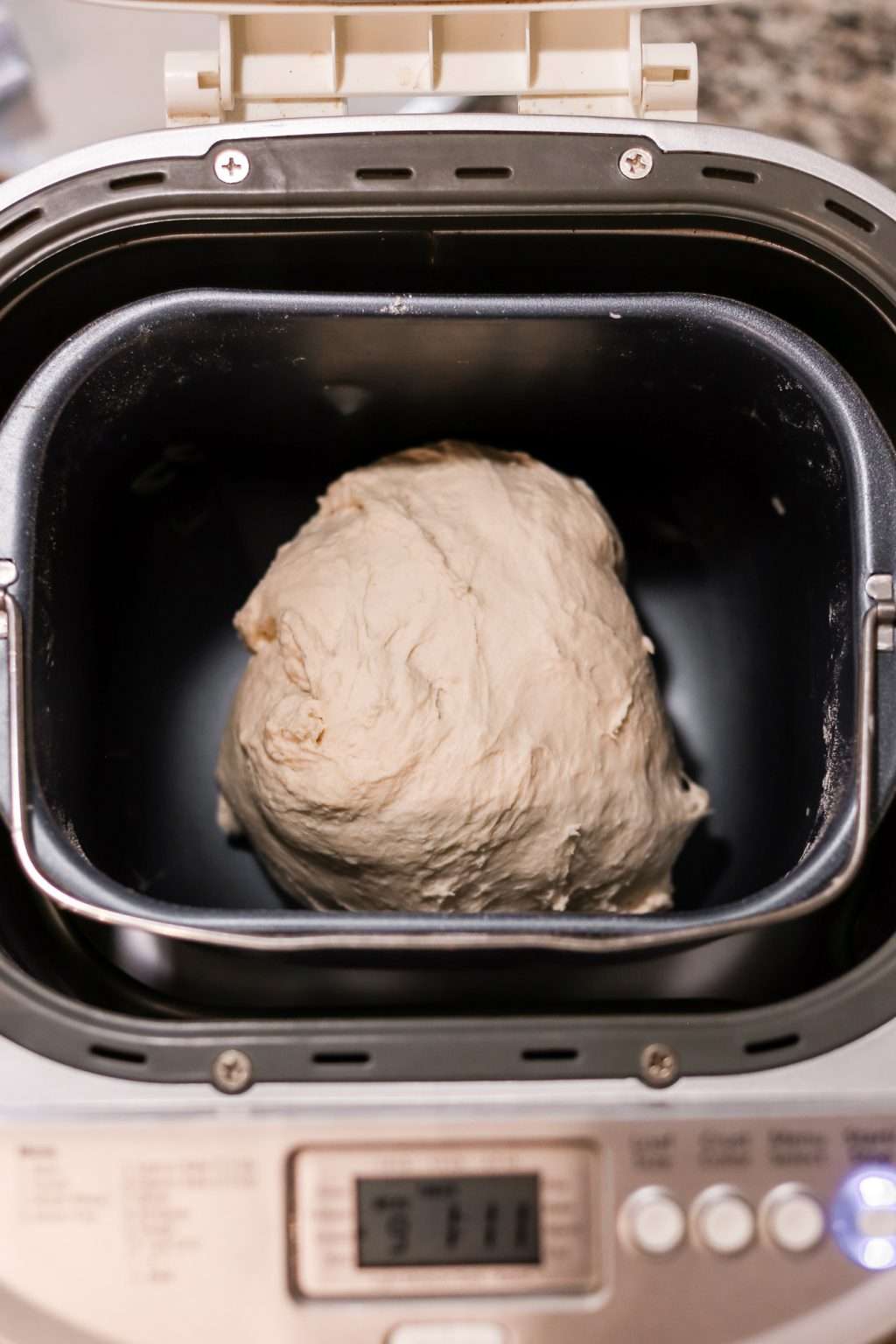
Easy Sourdough Bread Machine Bread
A simple, flavorful loaf of sourdough baked in your bread machine using a basic starter and pantry staples. Perfect for beginners and a quick way to enjoy homemade bread.
🥘Ingredients
- 1 cup active sourdough starter
- 2 cups all-purpose flour
- 1 tsp salt
- 1 tbsp olive oil
- 1 tbsp honey
- 1 tsp dried rosemary
👨🍳Directions
-
1
Activate your bread machine and select the dough cycle. Mix the sourdough starter, flour, salt, and olive oil together in the machine bowl until combined. -
2
Let the dough rise for about 1 hour or until it has doubled in size. If the dough is too sticky, lightly dust your hands with flour before handling. -
3
After the dough has risen, mix the honey and dried rosemary in a small bowl and brush the mixture over the top of the dough. Gently fold the dough to distribute the topping evenly. -
4
Place the dough in the bread machine’s pan and let it bake according to the machine’s instructions. Once done, remove the bread from the machine and let it cool on a wire rack.
🔧Equipment
- Bread machine
- Mixing bowl
- Whisk
- Clean kitchen towel
- Baking sheet
📊Nutrition Facts (per serving)
📝Notes
Watch Video Of How Easy Sourdough Bread Machine Bread Works
❓ Frequently Asked Questions About Sourdough Bread Machine Bread
1. What is the best way to prepare my dough for the bread machine if I’m using a starter?
Use a clean, non-reactive bowl to mix your dough. For a basic sourdough starter, feed it with equal parts flour and water (e.g., 1 cup flour + 1 cup water) 12–24 hours before making the bread. After feeding, let it sit at room temperature until it doubles in size. Reserve about 1 cup of the active starter, then mix it with the remaining ingredients in the bread machine’s dough pan—follow the machine’s instructions for hydration (typically 100% or slightly less). Avoid overmixing; let the machine handle the kneading.
—
2. Can I use store-bought sourdough starter instead of a homegrown one?
Yes, but ensure it’s a high-quality, active starter (look for labels like “sourdough discard” or “ready-to-use”). If using a discard starter, feed it 1–2 times daily until it doubles in 4–6 hours before using it. For a quick solution, use a commercial sourdough starter mix (like the brand Sourdough Starter Kit), which includes yeast and culture—just follow the package instructions. Always check the starter’s activity before mixing it into your dough.
—
3. What if my bread machine doesn’t have a dough setting? How do I adapt?
If your machine lacks a dedicated dough cycle, use the “pulse” or “light” setting for the first 10–15 minutes to gently mix the dough. Then switch to a slower, lower-speed cycle (e.g., “light” or “slow”) for the bulk fermentation. For proofing, transfer the dough to a lightly oiled bread pan and let it rise at room temperature for 1–2 hours, or refrigerate overnight for a slower rise. Avoid overproofing—check for slight doming but no excessive stretchiness.
—
4. How do I troubleshoot if my sourdough bread turns out dense or flat?
Dense or flat bread often means the dough didn’t rise enough. First, check your starter’s activity—it should be bubbly and double in size within 4–6 hours after feeding. If using a commercial starter, ensure it’s fully activated. For the bread machine, verify the hydration level matches your recipe (too wet = weak gluten; too dry = weak rise). If the dough is underproofed, let it rise longer at room temperature before shaping or baking. Avoid overproofing by checking for a slight puff but not excessive bulging.
—
5. Can I add flavorings like herbs, seeds, or cheese to the dough before baking?
Yes, but do it sparingly to avoid overloading the machine. For herbs (e.g., rosemary, thyme), sprinkle them directly onto the dough before the final rise or mix them into the starter. For seeds (e.g., flax, pumpkin), fold them in during the mixing phase. Cheese (e.g., shredded mozzarella) works best if added just before baking—sprinkle it on top after the dough has risen and before the baking cycle begins. Avoid adding too much, as it can interfere with the bread’s structure.

