
butterscotch cookie recipe

The Best butterscotch cookie recipe
My kids adore them too—especially the ones with extra butterscotch pieces, but even the plain ones get a big thumbs-up. They’re so versatile, too. You can bake a batch for Thanksgiving dessert, a few for a weekend treat, or even a single one as a quick pick-me-up when you need something sweet. And the best part? They’re not too heavy, not too sugary—just the right amount of indulgence with a little extra fiber from the butterscotch chunks and a touch of cinnamon that makes them feel like a little treat rather than a full-on dessert. Plus, the butterscotch itself is packed with antioxidants and natural sugars that give you a little energy boost, so they’re not just a comfort food—they’re a little something good for you too.
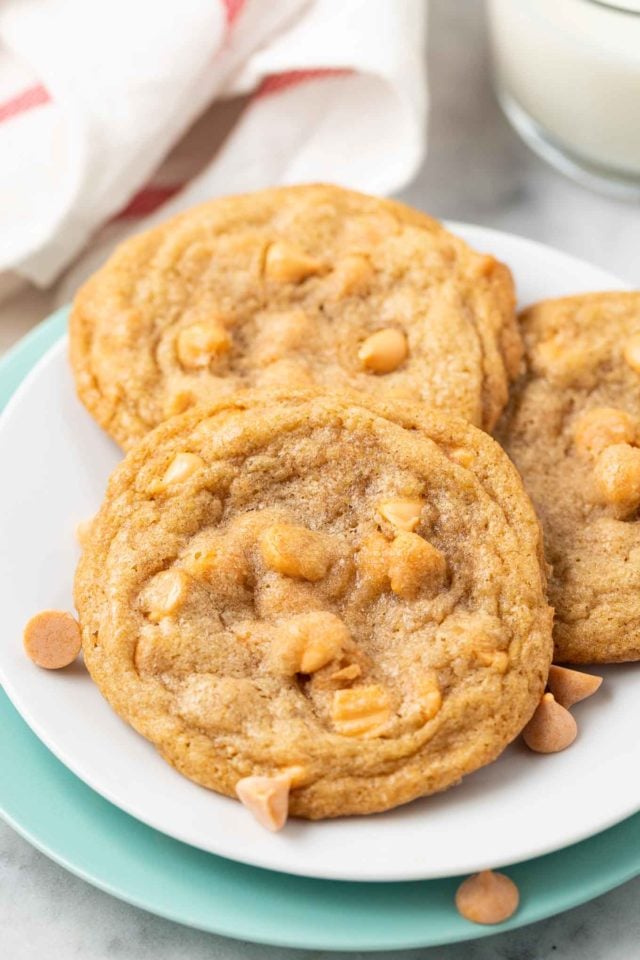
Classic Butterscotch Cookies
Chewy, caramelized butterscotch cookies with a rich, sweet flavor that’s perfect for any occasion. These cookies are made with a simple dough and a gooey butterscotch sauce.
🥘Ingredients
- 1 cup unsalted butter, softened
- 1 cup granulated sugar
- 1 cup packed brown sugar
- 2 large eggs
- 1 teaspoon vanilla extract
- 2 1/2 cups all-purpose flour
- 1 teaspoon baking soda
- 1/2 teaspoon salt
- 1/2 cup unsalted butter
- 1 cup granulated sugar
- 1/2 cup unsweetened cocoa powder
- 1/2 cup butterscotch chips or chopped butterscotch pieces
- 1 teaspoon vanilla extract
👨🍳Directions
-
1
Preheat oven to 350°F (175°C). Line two baking sheets with parchment paper. -
2
In a large bowl, cream together the softened butter, granulated sugar, and brown sugar until light and fluffy (about 3-4 minutes). Add eggs one at a time, mixing well after each addition. Stir in vanilla extract. -
3
In a separate bowl, whisk together flour, baking soda, and salt. Gradually add this dry mixture to the wet mixture, mixing until just combined. -
4
In a saucepan, melt butter over medium heat. Add granulated sugar, cocoa powder, butterscotch chips, and vanilla extract. Stir until smooth and thickened (about 5-7 minutes). Remove from heat and let cool slightly. -
5
Roll dough into 1-inch balls and place them on the prepared baking sheets, spacing them about 2 inches apart. Use a small spoon or fork to create a well in the center of each ball. Drop a teaspoon of the butterscotch sauce into each well. -
6
Bake in the preheated oven for 10-12 minutes, or until the edges are lightly golden. Allow cookies to cool on the baking sheets for 5 minutes before transferring to a wire rack to cool completely.
🔧Equipment
- Mixing bowls
- Electric mixer or hand mixer
- Baking sheet
- Parchment paper
- Spatula
- Oven
📊Nutrition Facts (per serving)
📝Notes
- For extra butterscotch flavor, add a pinch of cinnamon to the dough.
- Store cookies in an airtight container at room temperature for up to 5 days.
- Substitute brown sugar with light brown sugar if preferred.
Watch Video Of How Classic Butterscotch Cookies Works
❓ Frequently Asked Questions About Butterscotch Cookies
What is the best way to store butterscotch cookies to keep them fresh longer?
To keep your butterscotch cookies fresh, store them in an airtight container at room temperature for up to 5 days. For longer storage (up to 3 weeks), refrigerate them in the same container. If you prefer, you can also freeze them by placing them in a single layer on a baking sheet before freezing, then transferring them to a bag or container with parchment paper between layers to avoid sticking.
—
Why do my butterscotch cookies turn out too hard or dry?
Butterscotch cookies can dry out if the butter or brown sugar isn’t melted or mixed properly. Ensure the butter is fully melted and cooled slightly before mixing. Also, avoid overbaking—they should be golden brown on top but still soft in the center. If they’re too dry, lightly brush with melted butter or store them in an airtight container to retain moisture.
—
Can I substitute ingredients like brown sugar or butter in this recipe?
Yes, you can make substitutions, but results may vary. For brown sugar, use a 1:1 ratio of light or dark brown sugar, but adjust liquid slightly if needed. For butter, unsalted butter works best, but you can use margarine (though texture may differ). For butterscotch chips, you can use caramel chips or even homemade butterscotch sauce if you prefer a smoother texture.
—
How can I make butterscotch cookies extra crispy?
For extra crispiness, reduce the baking time slightly (about 2–3 minutes less than recommended) and bake at a slightly higher temperature (350°F/175°C instead of 325°F/165°C). Preheat the oven fully before baking, and ensure the dough isn’t too cold before dropping it onto the baking sheet. Also, let the cookies cool on the baking sheet for 5 minutes before transferring to prevent softening.
—
What if I don’t have a butterscotch chip brand, and I want to make them at home?
You can make a simple butterscotch sauce at home! Mix 1 cup of granulated sugar, ½ cup light corn syrup, ¼ cup water, and 2 tbsp unsalted butter. Simmer on low heat for 10–12 minutes, stirring occasionally, until thickened. Let it cool slightly before using it in place of butterscotch chips in the dough. Alternatively, mix 1 cup chopped butterscotch candy with 1 tbsp melted butter for a quick homemade mix.

