
cast iron recipe

The Best cast iron recipe
This recipe is perfect for any occasion. You can whip up a quick weeknight meal with minimal effort, or it’s just as great for a Sunday dinner when everyone’s gathered. My husband always says it’s the one thing that makes cooking feel less like a chore and more like a tradition. And the health benefits? Well, cast iron naturally distributes heat evenly, so you don’t need as much oil, which means less fat in your food. Plus, the iron itself gets absorbed into the food as you cook, adding a little extra nutrient boost without any extra effort. It’s that kind of smart cooking that makes it worth the investment.
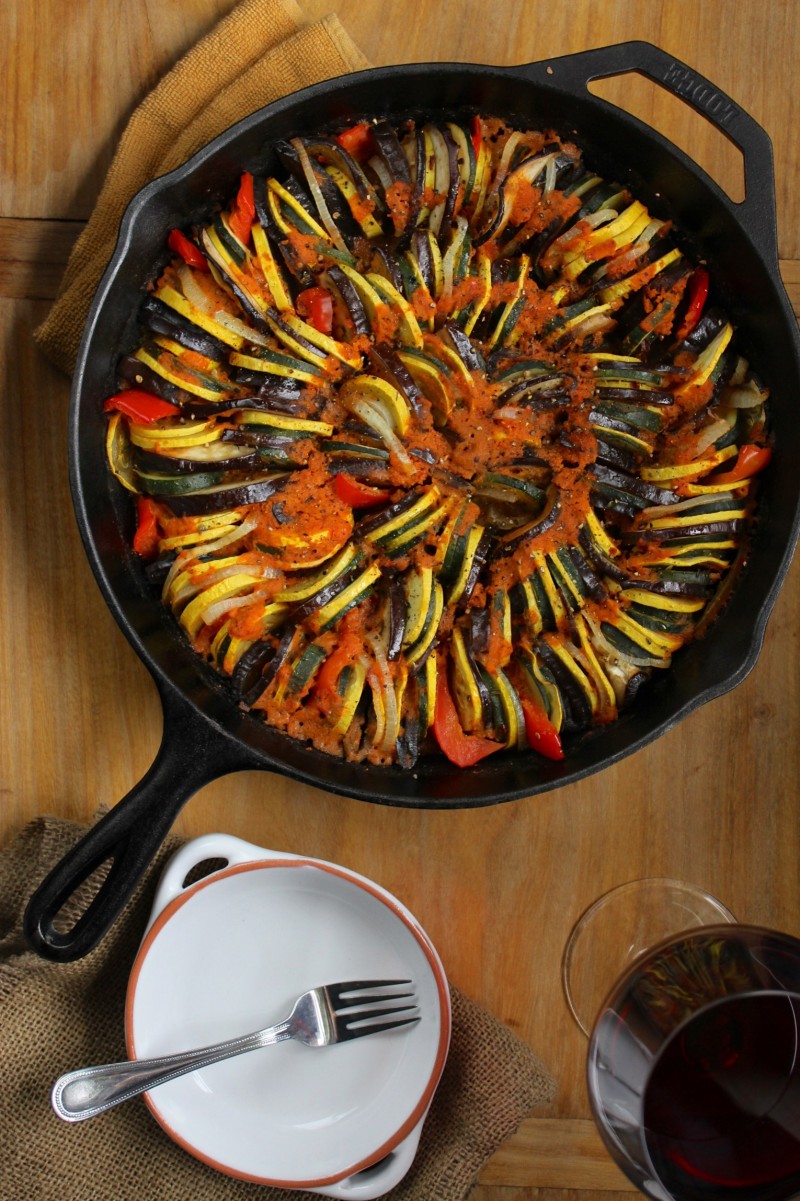
Cast Iron Skillet Chicken and Vegetables
A flavorful dish featuring tender chicken cooked in a cast iron skillet with crisp vegetables and a savory tomato-based sauce. This recipe is a must-try for any occasion.
🥘Ingredients
- 1.5 lbs boneless, skinless chicken breasts or thighs
- 1 tbsp olive oil
- 1 tsp paprika
- 1 tsp garlic powder
- ½ tsp salt
- ½ tsp black pepper
- 2 medium potatoes, diced
- 2 medium carrots, sliced
- 1 red bell pepper, sliced
- 1 large onion, sliced
- 1 cup tomato sauce
- 1 tbsp butter
- 1 tbsp honey
- 1 tsp dried oregano
- ½ tsp red pepper flakes (optional)
👨🍳Directions
-
1
Preheat oven to 400°F (200°C). Prep the vegetables by dicing potatoes, slicing carrots, bell pepper, and onion. -
2
In a bowl, mix olive oil, paprika, garlic powder, salt, and black pepper. Coat chicken pieces in the mixture and set aside. -
3
Place sliced vegetables in a baking dish. Pour tomato sauce over them, then add butter, honey, oregano, and red pepper flakes. Stir to combine. -
4
Place chicken pieces on top of the vegetables in the baking dish. -
5
Transfer the baking dish to the preheated oven and bake for 30-35 minutes, or until chicken reaches an internal temperature of 165°F (74°C) and vegetables are tender. -
6
Remove from oven, let rest for 5 minutes, then transfer everything to the cast iron skillet. Stir gently to combine flavors and cook for an additional 2-3 minutes on medium heat if desired.
🔧Equipment
- Cast iron skillet
- Cutting board
- Knife
- Mixing bowls
- Measuring cups
- Oven
- Wooden spoon
📊Nutrition Facts (per serving)
📝Notes
Tips
- For extra crispiness, broil the dish for 2-3 minutes at the end if desired.
- Substitute chicken with chicken thighs for added richness.
- Use fresh herbs like parsley or basil to enhance flavor.
Substitutions: {“flour”:”Whole wheat flour can be used in the dough for added fiber, but this recipe does not contain flour.”,”vegetables”:”Swap any vegetables for your preference, ensuring a good mix of textures and colors.”}
Watch Video Of How Cast Iron Skillet Chicken and Vegetables Works
❓ Frequently Asked Questions About Cast Iron Skillet Chicken and Vegetables
What is the best way to season a cast iron skillet for the first time?
Answer: To season your cast iron skillet for the first time, heat it over medium-high on the stove until it’s very hot (smoking hot). Add a thin layer of neutral oil (like flaxseed or grapeseed oil) and wipe it evenly with a paper towel. Place it upside down in the oven at 450°F (230°C) for 1 hour, then flip and repeat for another hour. Let it cool completely before using it for cooking.
Can I use butter or olive oil for seasoning cast iron?
Answer: While butter and olive oil can be used initially, they break down quickly and aren’t ideal for long-term seasoning. Instead, opt for high-smoke-point oils like vegetable, grapeseed, or flaxseed oil for better durability and a smoother finish.
Answer: You should re-season your cast iron skillet every few months or after it stops cooking evenly due to food buildup. If it feels rough or sticks too much, clean it thoroughly, lightly oil it, and bake it at 450°F (230°C) for 30-60 minutes to restore the seasoning. Answer: After cooking, let the skillet cool slightly—don’t scrub hot cast iron. Use a stiff brush or sponge with warm, soapy water to remove food residue. Avoid steel wool, as it can strip the seasoning. Dry it thoroughly with a towel and store it upside down to prevent moisture buildup. Answer: Yes, cast iron is excellent for acidic foods, but it can react over time, causing a metallic taste. To prevent this, season your skillet well before use and occasionally wipe it down with a damp cloth after cooking acidic dishes. For extra protection, cook acidic foods in a well-seasoned skillet and rinse it afterward if needed.
What’s the best way to clean a cast iron skillet after cooking?
Can I cook acidic foods (like tomatoes or vinegar-based sauces) in cast iron?
