
ceviche recipe sea bass

The Best ceviche recipe sea bass
What really sells this recipe is how easy it is to customize. You can serve it with fresh mango slices, a simple cilantro-lime salsa, or just a sprinkle of salt and pepper. My husband always says it’s the perfect meal because it’s healthy but not boring—no heavy sauces, no greasy sides. The sea bass is packed with omega-3s, and the lime juice gives it a natural boost of vitamin C, which keeps everything fresh and bright. Plus, it’s a great way to use up any extra fish you might have from grilling or baking, and it’s way more exciting than just plain fish sticks. My kids always ask if we can make it again, and honestly, I don’t blame them. It’s that kind of dish that feels like a little vacation on a plate.
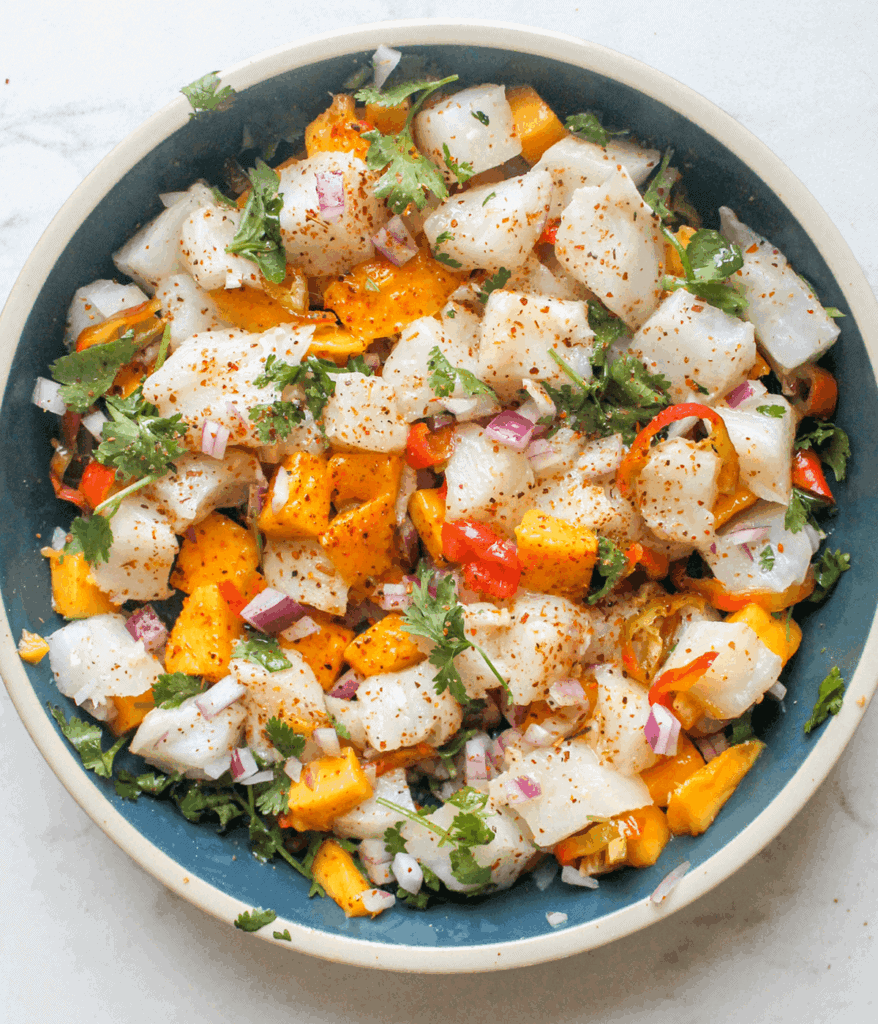
Classic Ceviche with Sea Bass
A refreshing and zesty ceviche featuring fresh sea bass marinated in lime juice, tomatoes, and cilantro. Perfect for a light yet flavorful meal.
🥘Ingredients
- 1 lb fresh sea bass fillets, cut into 1-inch cubes
- juice of 4 limes (about 1 cup)
- 1 small red onion, finely diced
- 1 tomato, seeded and diced
- 1/2 cup chopped cilantro
- 1 jalapeño, seeded and finely diced (optional)
- 1/4 cup chopped red bell pepper
- Salt and freshly ground black pepper to taste
- Extra lime wedges
- Additional chopped cilantro
- Toasted sesame seeds (optional)
👨🍳Directions
-
1
Ensure the sea bass is fresh. If using frozen, thaw it completely in the refrigerator overnight. -
2
In a large bowl, combine the lime juice, diced red onion, tomato, cilantro, jalapeño, and bell pepper. Mix gently. -
3
Add the sea bass cubes to the bowl. Gently toss to coat evenly in the lime mixture. Ensure the fish is fully submerged. -
4
Cover the bowl with plastic wrap and let it marinate in the refrigerator for at least 15 minutes (up to 30 minutes for stronger lime flavor). -
5
Before serving, remove the ceviche from the refrigerator and let it sit at room temperature for 5–10 minutes. This helps the flavors meld better. -
6
Garnish each serving with lime wedges, extra cilantro, and sesame seeds if desired. Serve immediately with tortilla chips or over a bed of lettuce.
🔧Equipment
- Cutting board
- Sharp knife
- Mixing bowls
- Fine-mesh sieve (optional)
📊Nutrition Facts (per serving)
📝Notes
Tips
- For extra tenderness, slightly undercook the sea bass fillets before cutting into cubes.
- Adjust lime juice to taste; more lime enhances the citrusy flavor but can make the fish too acidic if overdone.
- Use only the freshest sea bass for the best texture and flavor. Avoid using fish that smells fishy or has a slimy texture.
- If you prefer a milder flavor, reduce the jalapeño or omit it entirely.
Variations
- Add diced avocado just before serving for a creamy texture.
- Mix in diced mango or pineapple for a tropical twist.
- Include black beans or corn for added protein and texture.
Watch Video Of How Classic Ceviche with Sea Bass Works
❓ Frequently Asked Questions About Ceviche with Sea Bass
What is the best way to prepare sea bass for ceviche, and how do I ensure it is fresh enough?
The best way to prepare sea bass for ceviche is to use high-quality, fresh fish fillets. Look for firm, translucent flesh that doesn’t smell fishy or overly briny. To ensure freshness, buy from a reputable seafood market or fisherman, and check for a clean, cold environment. If possible, ask the vendor to confirm the fish was caught recently and hasn’t been refrigerated for too long. Once you get home, rinse the fillets gently with cold water, pat them dry with paper towels, and cut them into thin, even slices (about ½-inch thick). Avoid using frozen fish unless it’s been thawed properly and recently refrozen.
How long should I marinate sea bass ceviche, and what are the key ingredients for the marinade?
Sea bass ceviche should marinate for 10–15 minutes (not longer, as over-marinating can make the fish mushy). The key marinade ingredients include:
– Lime or lemon juice (about 1–2 tbsp per 5 oz of fish) – this helps “cook” the fish by breaking down proteins.
– Freshly squeezed juice (adds brightness and acidity).
– Salt (¼ tsp per 5 oz of fish) – enhances flavor and helps tenderize.
– Garlic (minced, 1–2 cloves per serving) – adds depth.
– Fresh cilantro, diced (for garnish and freshness).
– Optional: red onion, jalapeño (seeds removed), or avocado for texture and color.
Avoid over-marinating—too much acid can make the fish tough.
Can I substitute sea bass with another type of white fish for ceviche, and what are the good alternatives?
Yes! While sea bass is excellent, you can substitute it with other firm white fish that hold their shape well when marinated. Good alternatives include:
– Cod (especially cod fillets)
– Halibut (richer flavor, slightly more buttery)
– Mahi-mahi (milder taste, slightly sweeter)
– Tilapia (budget-friendly but less flavorful)
– Snapper (similar to sea bass but slightly firmer)
Avoid flounder or weak-fleshed fish (like sole), as they may not hold up well in the marinade.
What should I pair with sea bass ceviche for a complete meal, and how can I make it more elegant?
Sea bass ceviche pairs beautifully with:
– Crispy plantain chips (sweet and salty contrast)
– Fresh mango slices (tangy sweetness)
– Cucumber-tomato salad (light and refreshing)
– Warm corn tortillas or crispy fried plantains (for scooping)
– Grilled or steamed vegetables (zucchini, bell peppers, or asparagus)
For an elegant presentation:
– Serve in chilled ceviche bowls (like a small clay or glass dish).
– Garnish with edible flowers, microgreens, or a drizzle of olive oil.
– Use toasted sesame seeds or crushed peanuts for crunch.
– Pair with a light white wine (Sauvignon Blanc or Pinot Grigio) or a sparkling limeade.
How do I know if my sea bass ceviche is cooked properly, and what are the signs of overcooking?
Sea bass ceviche is “cooked” by the acid (lime/lemon juice) breaking down the proteins, so it should feel firm but slightly translucent when bitten. The ideal texture is:
– Not raw (fish should be fully “cooked” within 10–15 minutes).
– Slightly opaque (not glassy or overly translucent).
– Bright color (should turn a vibrant pink or orange, not grayish).
Signs of overcooking:
– Mushy or watery texture (acid overpowering the fish).
– Grayish or dull color (fish hasn’t been properly acidified).
– Bitter or overly sharp taste (too much lime juice).
If unsure, taste a small piece—it should be firm with a slight tang, not overly acidic or tough.
