
chewy oat cookie recipe


The Best chewy oat cookie recipe
I love this recipe because it’s versatile enough for any occasion—whether you’re making them for a school bake sale, a holiday gathering, or just a quiet afternoon snack. They’re easy to customize, too, with add-ins like chocolate chips or nuts if you want to tweak them, but the classic version works just fine on its own. Plus, they’re packed with fiber and natural sweetness from the oats and a touch of honey, so they’re a healthier option without sacrificing flavor. It’s a recipe that feels like a hug in bite-sized form.
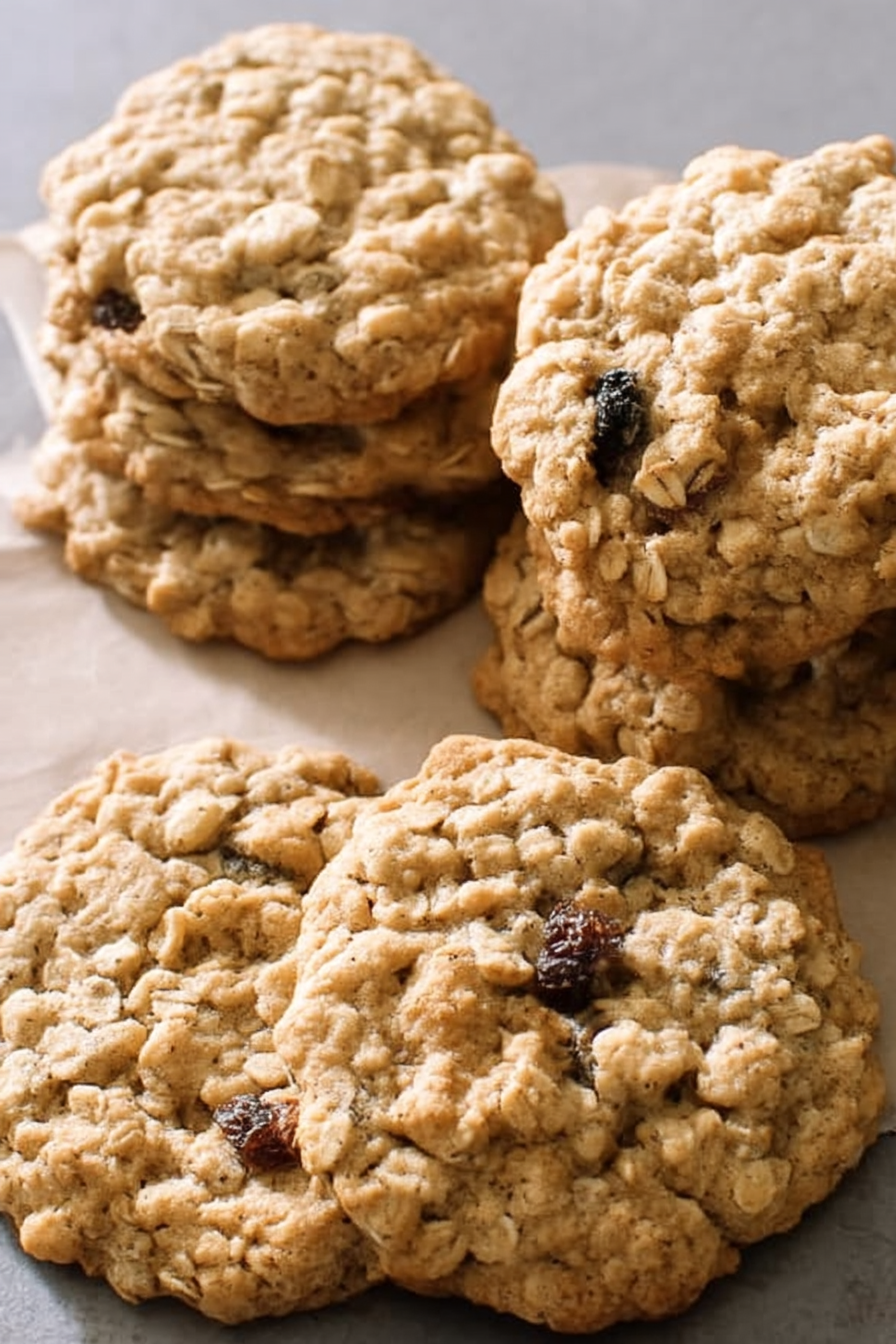
Chewy Oat Cookies with Tomato Garlic Sauce
A hearty twist on classic cookies, these feature a soft, chewy texture from rolled oats and a rich tomato-garlic glaze that adds depth of flavor. Perfect for pairing with cheese or enjoying on their own.
🥘Ingredients
- 1 ½ cups rolled oats
- ½ cup brown sugar
- ½ cup granulated sugar
- 1 large egg
- 1 tsp vanilla extract
- 1 cup all-purpose flour
- 1 tsp baking soda
- ½ tsp salt
- ½ cup tomato sauce
- 2 cloves garlic, minced
- 1 tbsp olive oil
- ½ tsp dried oregano
- ¼ cup heavy cream (optional)
👨🍳Directions
-
1
Preheat oven to 375°F. In a large bowl, whisk together brown sugar, granulated sugar, egg, and vanilla extract. -
2
Add rolled oats, flour, baking soda, and salt. Stir until a dough forms. -
3
Roll dough into 1-inch balls, place 2 inches apart on a parchment-lined baking sheet. -
4
Bake for 12–14 minutes until edges are lightly golden. Let cool 5 minutes before drizzling. -
5
In a small saucepan, heat tomato sauce, garlic, and olive oil over medium heat. Simmer for 5 minutes. -
6
Reduce heat to low, stir in oregano and heavy cream (if using). Drizzle sauce over cooled cookies.
🔧Equipment
- Mixing bowls
- Whisk
- Baking sheet
- Parchment paper
- Oven
📊Nutrition Facts (per serving)
📝Notes
Watch Video Of How Chewy Oat Cookies with Tomato Garlic Sauce Works
❓ Frequently Asked Questions About Chewy Oat Cookies with Tomato Garlic Sauce
How do I adjust the recipe for dietary restrictions like gluten-free or vegan?
If you’re making gluten-free cookies, swap the all-purpose flour for a certified gluten-free blend and reduce the baking powder slightly to half the amount. For a vegan version, replace the butter with coconut oil and ensure your egg substitute (like flaxseed or applesauce) is used in the same quantity. Always check labels for hidden gluten or dairy in your ingredients.
Why do my cookies turn out dry instead of chewy?
A few factors can cause dry cookies: overbaking, using too much flour, or not enough fat. To fix this, slightly underbake them—pull them out when they’re just starting to look set around the edges. Use a mix of butter and a small amount of oil (like vegetable or melted coconut) instead of all butter. Also, let them cool completely before slicing to prevent moisture loss.
Can I substitute any of the oats for another type?
While steel-cut and rolled oats work in a pinch, they may alter texture. For a softer, chewier result, stick to quick oats or rolled oats. If you’re using a different type, ensure they’re finely ground or processed to mimic the texture of quick oats. Avoid instant oats, which can make the cookies too dense.
How long should I bake the cookies for?
Bake these cookies for 8–10 minutes at 350°F (175°C) until the edges are golden but the centers still look slightly soft. Overbaking can dry them out, so watch closely toward the end. Use the toothpick test: it should come out with a few moist crumbs, not a wet streak.
What if my cookies spread too much during baking?
Cookie spread is normal, but if yours spread excessively, try these fixes: chill the dough for 30 minutes before baking to firm it up, use a lower oven temperature (around 325°F/160°C), or reduce the baking time slightly. A slightly undercooked center will still be chewy once cooled.


