
chimmichurri sauce recipe

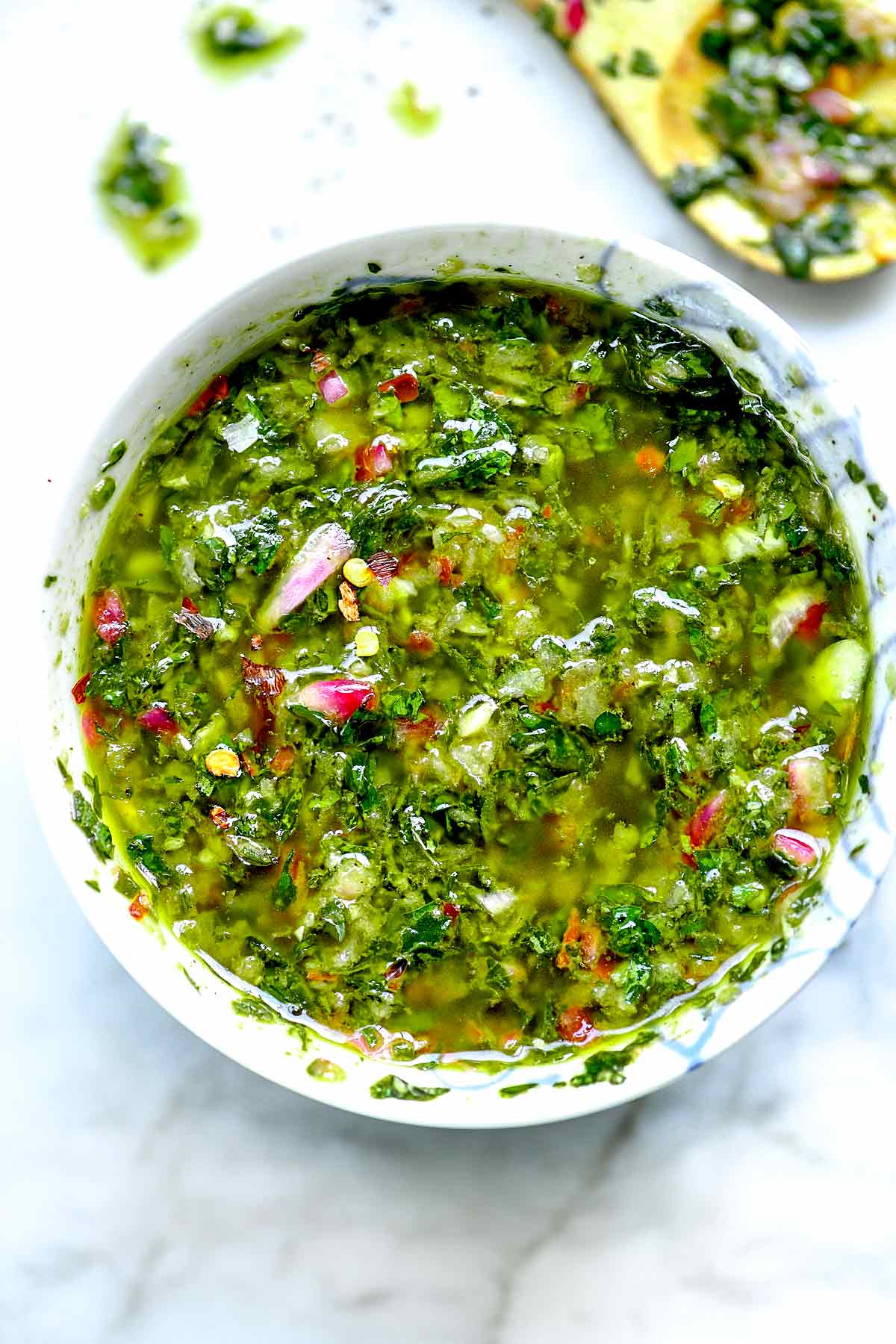
The Best chimmichurri sauce recipe
This sauce is one of those rare recipes that works for everything. Toss it with roasted veggies for a quick weeknight side, spoon it over fish for an easy dinner, or use it as a marinade for grilled meats. It keeps well in the fridge for a few days, so I always make a big batch. Plus, it’s naturally gluten-free, low-carb, and full of antioxidants from the herbs. If you’re looking for a way to add flavor without a lot of effort, this is it. My family reaches for it all the time, and I’m always happy to oblige.
Classic Chimichurri Sauce
A vibrant and herbaceous Argentine sauce perfect for grilled meats, vegetables, or as a marinade. This fresh, tangy condiment is quick to prepare and packed with bold flavors from parsley, garlic, and red wine vinegar.
🥘Ingredients
- 1 cup fresh parsley, finely chopped (stems removed)
- 1/2 cup fresh cilantro, finely chopped (optional, for extra flavor)
- 4 cloves garlic, minced
- 1/4 cup red onion, finely chopped
- 1/2 cup extra-virgin olive oil
- 2 tbsp red wine vinegar
- 1 tsp red pepper flakes (adjust to taste)
- 1 tsp dried oregano
- 1 tsp ground cumin
- 1/2 tsp salt (or to taste)
- 1/2 tsp black pepper
👨🍳Directions
-
1
Rinse the parsley and cilantro thoroughly under cold water, then pat dry with a paper towel. Remove any thick stems and finely chop the leaves. -
2
Peel and mince the garlic cloves, then finely chop the red onion. -
3
In a mixing bowl, combine the chopped parsley, cilantro, garlic, red onion, red pepper flakes, oregano, cumin, salt, and black pepper. -
4
Pour in the extra-virgin olive oil and red wine vinegar. Stir well to combine all the ingredients. -
5
Taste and adjust seasoning if needed—add more salt, red pepper flakes, or vinegar to suit your preference. -
6
Let the chimichurri sauce rest for at least 10 minutes to allow the flavors to meld together. For best results, refrigerate for 1-2 hours before serving. -
7
Serve immediately or store in an airtight container in the refrigerator for up to 1 week.
🔧Equipment
- Cutting board
- Chef’s knife
- Mixing bowl
- Measuring cups and spoons
- Small jar or airtight container (for storage)
📊Nutrition Facts (per serving)
📝Notes
Watch Video Of How Classic Chimichurri Sauce Works
❓ Frequently Asked Questions About Chimichurri Sauce
1. What is chimichurri sauce made of?
Chimichurri sauce is a vibrant, herby condiment originating from Argentina. The traditional recipe includes fresh parsley, garlic, oregano, red wine vinegar, olive oil, red pepper flakes (or fresh chili), and salt. Some variations may also incorporate cilantro, shallots, or a touch of lemon juice for extra brightness.
2. How long does homemade chimichurri last in the fridge?
When stored in an airtight container, homemade chimichurri typically lasts 5–7 days in the refrigerator. The flavors deepen over time, but the herbs may darken slightly. For best results, give it a stir before using, and if the oil separates, simply whisk it back together. Avoid freezing, as it can alter the texture and freshness of the herbs.
3. Can I make chimichurri without vinegar?
Yes! While red wine vinegar is traditional, you can substitute it with lemon juice, lime juice, apple cider vinegar, or even white wine vinegar for a milder taste. The acidity is key for balancing the oil and herbs, so aim for a 1:3 ratio of acid to oil. If you’re avoiding vinegar entirely, a splash of citrus or a bit of yogurt (for a creamy version) can work in a pinch.
4. What dishes pair best with chimichurri sauce?
Chimichurri is incredibly versatile and pairs well with:
– Grilled meats: Steak (especially Argentine asado), chicken, pork chops, or lamb.
– Seafood: Grilled shrimp, salmon, or octopus.
– Vegetarian options: Grilled vegetables (zucchini, eggplant, bell peppers), tofu, or as a drizzle over avocado toast.
– Other uses: Tossed with roasted potatoes, as a marinade, or even mixed into salad dressings.
5. Is chimichurri the same as pesto?
No, though they’re both herb-based sauces, chimichurri and pesto have distinct differences:
– Chimichurri: Made with parsley, garlic, vinegar, and oil—no nuts or cheese. It’s tangy, fresh, and slightly spicy.
– Pesto: Typically includes basil, pine nuts, Parmesan cheese, garlic, and olive oil. It’s richer, creamier, and nutty in flavor.
While you can use them interchangeably in some dishes, their flavor profiles are unique. Chimichurri is brighter and more acidic, while pesto is richer and cheesier.

