
double pie crust recipe

The Best double pie crust recipe
My kids love it too, especially when it’s paired with their favorite fillings—apple pie for fall, cherry for summer, or even a savory quiche on a lazy morning. It’s that kind of recipe that feels special but is actually pretty forgiving. And let’s be honest, there’s something comforting about a homemade pie crust, no matter the occasion. It’s a staple for birthdays, potlucks, and just regular family meals where we all sit down to eat. Plus, the process of rolling it out and shaping it feels like a little ritual, something that makes the whole thing feel intentional and worth the effort. It’s not just food—it’s tradition.
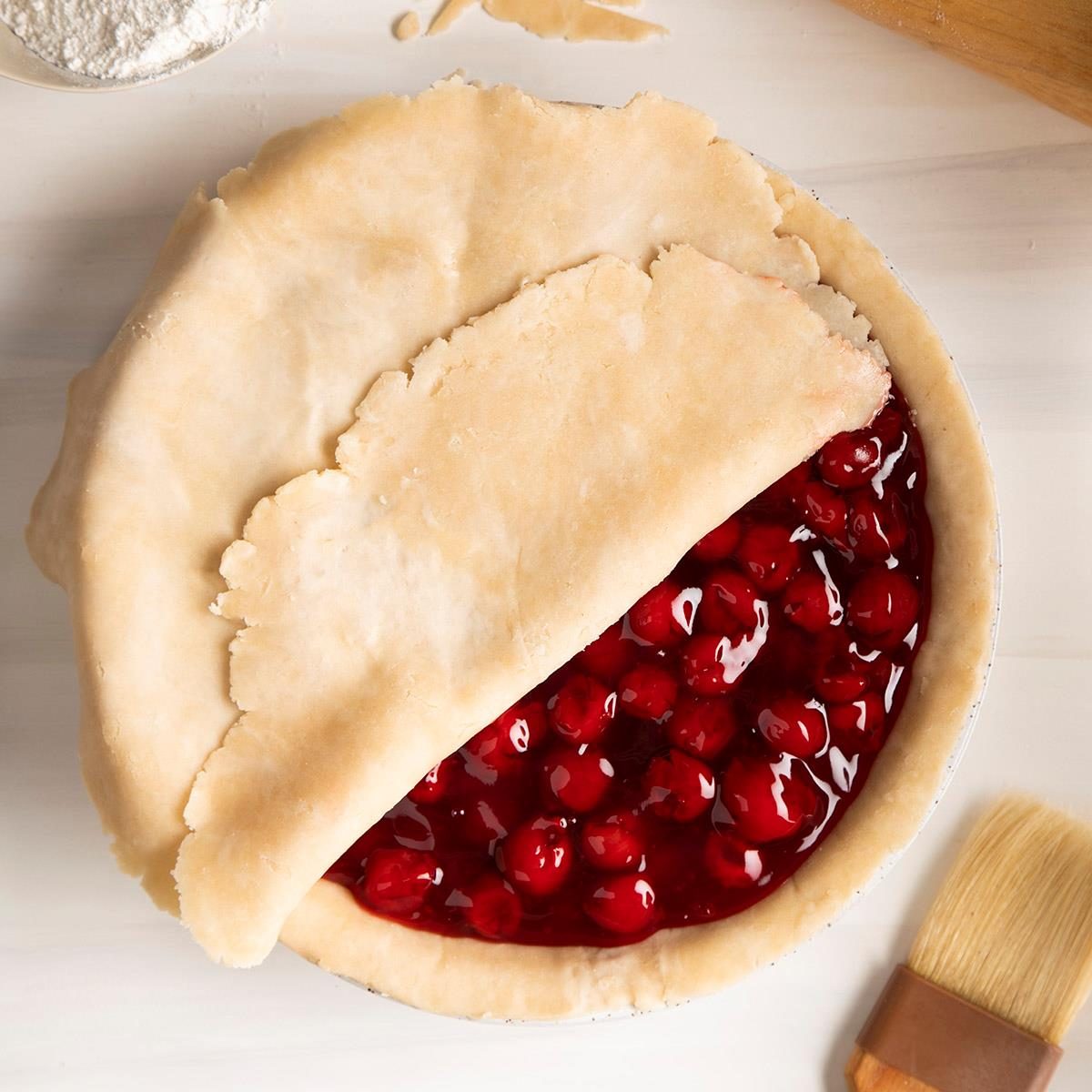
Classic Homemade Double Pie Crust
A reliable, flaky crust for pies, tarts, and quiches. Perfect for beginners and seasoned cooks alike.
🥘Ingredients
- 2 cups all-purpose flour
- 1 tsp salt
- 1 tbsp granulated sugar
- 1 tbsp cold unsalted butter, cubed
- 1 large egg yolk
- 1 tbsp ice water
👨🍳Directions
-
1
Preheat oven to 425°F. In a food processor, pulse flour, salt, sugar, and cold butter until mixture resembles coarse crumbs. -
2
Add the egg yolk and ice water, then pulse until dough forms a shaggy mass. Divide dough into two equal portions. -
3
Roll each portion into a 12-inch circle on parchment-lined baking sheets. Trim excess dough to create a 1-inch border. -
4
Fold the dough in half, then unfold to create a double-thick crust. Brush lightly with water and cut a 2-inch slit for filling. -
5
Bake for 12–15 minutes until edges are golden. Cool before using.
🔧Equipment
- Mixing bowl
- Food processor or rolling pin
- Parchment paper
- Pastry brush
📊Nutrition Facts (per serving)
📝Notes
Watch Video Of How Classic Homemade Double Pie Crust Works
❓ Frequently Asked Questions About Double Pie Crust
How do I prevent my double pie crust from shrinking or collapsing?
When making a double pie crust, ensure the dough is properly chilled before rolling—at least 30 minutes in the fridge helps maintain structure. Roll out the outer crust slightly larger than the pie dish to account for shrinking, then trim excess before folding. For extra stability, blind-bake the bottom crust for 15 minutes before adding filling to prevent puffing.
Can I use store-bought pie crust instead of homemade?
Yes, you can substitute store-bought crusts (like puff pastry or even a single sheet for the bottom), but keep in mind that homemade dough gives better texture and flavor. If using a pre-made crust, check the package for baking instructions—some require pre-baking to avoid sogginess.
What if my dough cracks while rolling?
Cracks happen when dough is too warm or handled too much. Lightly brush the cracked area with cold water, then gently press the edges together with a fork or your fingers. If needed, trim the excess, re-roll, and refold—don’t stress over minor imperfections.
How do I handle a sticky or difficult-to-roll dough?
If dough feels sticky, chill it longer (up to 2 hours) or sprinkle a light dusting of ice water over the surface. For extra grip, roll the dough on a lightly floured surface, but avoid over-flouring—it can make the crust tough. If dough resists, let it rest for 5 minutes before rolling again.
Why does my pie crust turn out tough or chewy?
Tough crusts often result from overworking the dough or using too much flour. Chill the dough thoroughly before rolling, and handle it as little as possible. For a tender crust, avoid pressing too hard when shaping, and blind-bake the bottom crust if needed to prevent sogginess.
