
egg yoke recipe

The Best egg yoke recipe
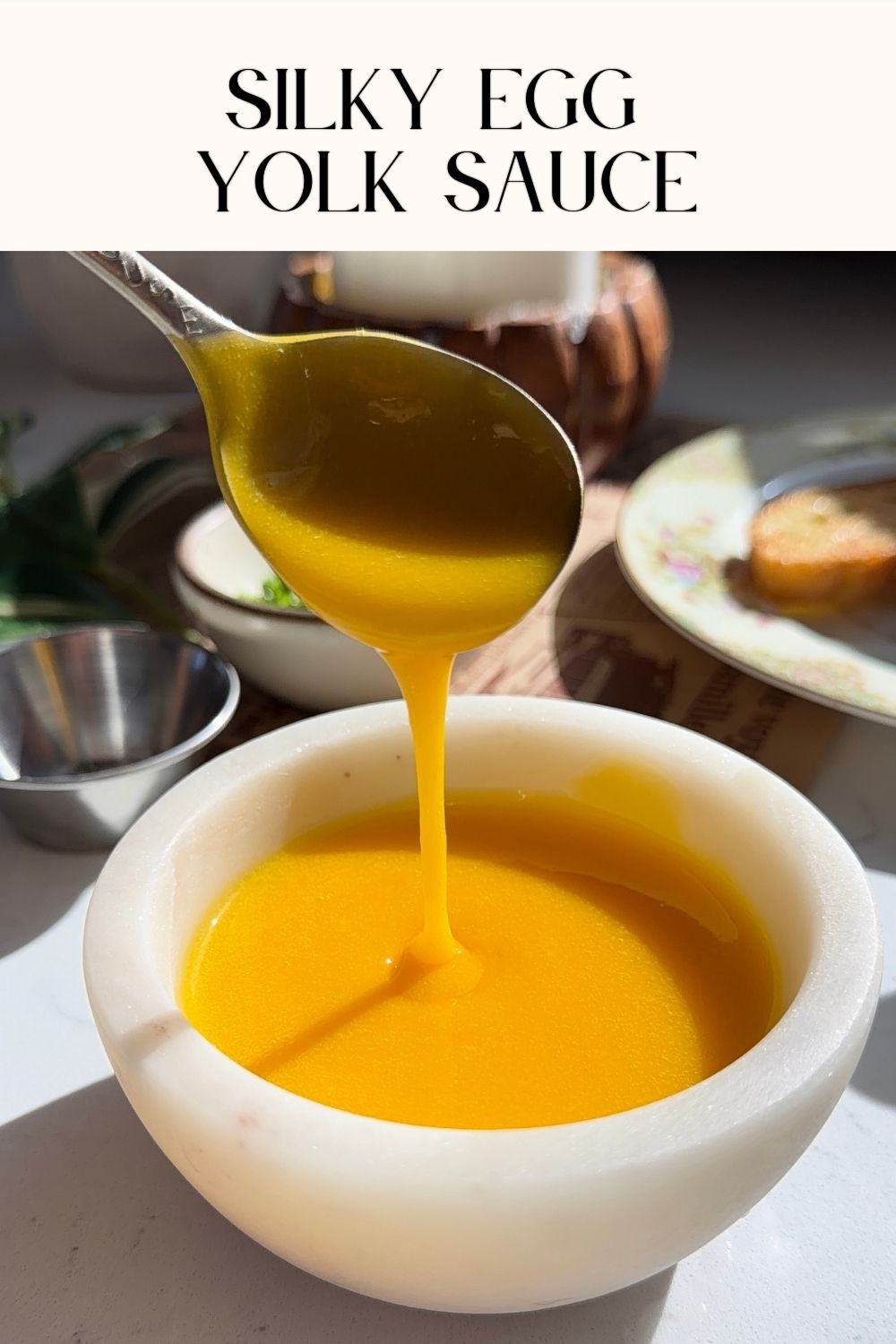
Golden Yolk Eggs with Herbed Butter
A simple yet elegant dish featuring perfectly poached eggs with a rich, herbed butter sauce, ideal for breakfast or brunch. This recipe is a must-try for any occasion.
🥘Ingredients
- 6 large eggs
- 1 tbsp cold water
- 1 tsp vinegar
- 1 tbsp unsalted butter
- 1 tbsp fresh parsley, chopped
- 1 tbsp fresh chives, chopped
- 1 clove garlic, minced
- 2 tbsp unsalted butter
- 1 tbsp fresh dill, chopped
- 1 tbsp fresh chives, chopped
- 1 clove garlic, minced
- Salt to taste
👨🍳Directions
-
1
Bring 2 inches of water to a gentle simmer in a saucepan. Add vinegar and cold water, then carefully lower eggs into the water. Simmer for 6 minutes. Remove eggs with a slotted spoon and place in an ice bath to stop cooking. -
2
While eggs cook, melt 1 tbsp butter in a skillet over medium heat. Add minced garlic, dill, and chives. Cook for 1 minute until fragrant. Remove from heat and stir in chopped parsley. Set aside. -
3
Peel eggs under cold running water, then gently crack each egg into a small bowl. Whisk gently to separate yolks from whites. Transfer yolks to the skillet with herbed butter. Stir gently to warm through. -
4
Serve yolks immediately over toast or greens, drizzled with remaining herbed butter.
🔧Equipment
- Medium saucepan
- Whisk
- Large skillet
- Slotted spoon
- Plate
- Mixing bowl
📊Nutrition Facts (per serving)
📝Notes
- For extra richness, add a pinch of cayenne pepper to the herbed butter.
- Ensure water is not boiling hard to prevent cracking eggs.
- Use room-temperature eggs for easier peeling.
Watch Video Of How Golden Yolk Eggs with Herbed Butter Works
❓ Frequently Asked Questions About Golden Yolk Eggs with Herbed Butter
What is the best way to prepare a fluffy egg yolk for baking or cooking?
To achieve a perfectly fluffy egg yolk, start by separating the egg whites and yolks carefully. Whisk the yolks lightly with a pinch of salt and a small amount of sugar to stabilize them. For baking, gently fold in the egg whites while they are still slightly wet (to prevent a stiff peak) and fold them in gently to maintain airiness. For cooking, you can whip the yolks with a bit of cream or butter to enhance their richness.
Can I substitute other ingredients for the egg yolk in recipes that require it?
Yes, there are several substitutes depending on the recipe. For a similar texture, you can use avocado mash (for creaminess), mashed banana (for moisture), silken tofu blended smooth (for richness), or yogurt or sour cream (for a tangy twist). For baking, applesauce or melted butter can work in a pinch, though they may alter the flavor and texture slightly.
Why does my egg yolk turn out too runny or watery when whipped?
A runny or watery yolk often happens due to overmixing, excessive air incorporation, or using overly fresh eggs. To prevent this:
– Whip yolks in a clean, dry bowl with a metal or glass whisk (plastic can create static).
– Stop whipping before stiff peaks form—overmixing releases liquid.
– Use older eggs (they hold more air) or chill yolks briefly before whipping.
– Add a tiny bit of sugar or cornstarch (½ tsp) to stabilize the foam.
How can I prevent the egg yolk from separating when baking cakes or muffins?
Separation can occur if the yolks are overmixed or the batter is too wet. To avoid it:
– Fold gently—use a spatula to fold egg whites into yolks in a thirds motion (never vigorously).
– Balance moisture—adjust wet ingredients (like oil or melted butter) to avoid an overly liquid batter.
– Chill the yolks (10–15 mins) before folding to firm them up slightly.
– Use room-temperature yolks (cold yolks can make the mixture too dense).
– Add a leavening agent (like baking powder) if the batter seems too heavy.
What are the best techniques for incorporating egg yolks into recipes like custards or sauces for a silky texture?
For smooth custards or sauces, follow these steps:
– Whip yolks lightly (just until pale and slightly thickened) to avoid overworking.
– Slowly temper them by adding a small amount of hot liquid (like milk or cream) while stirring to prevent scrambling.
– Heat gently—use a double boiler or low heat to avoid cooking the yolks before they thicken.
– Strain the mixture if needed for ultra-smooth texture (especially for velvety sauces).
– Add flavorings last (like vanilla or spices) to preserve integrity. For rich sauces, a splash of cream or butter can enhance creaminess.
