
einkorn bread recipe

The Best einkorn bread recipe
This bread is perfect for so many reasons. It’s great for breakfast with a drizzle of honey or jam, or you can slice it up and toast it with butter and avocado. It holds up well for sandwiches too, especially if you let it dry a bit before serving. And honestly, it’s a great way to eat healthier without feeling like you’re missing out. Einkorn is packed with nutrients—it’s got more protein and fiber than most modern wheat, and it’s easier on the digestive system. Plus, it’s gluten-free enough to be gentler on some people’s stomachs, which is why my husband and I both love it. It’s not just a recipe for special occasions; it’s something you can make whenever you want, and it’s always a hit with the whole family.
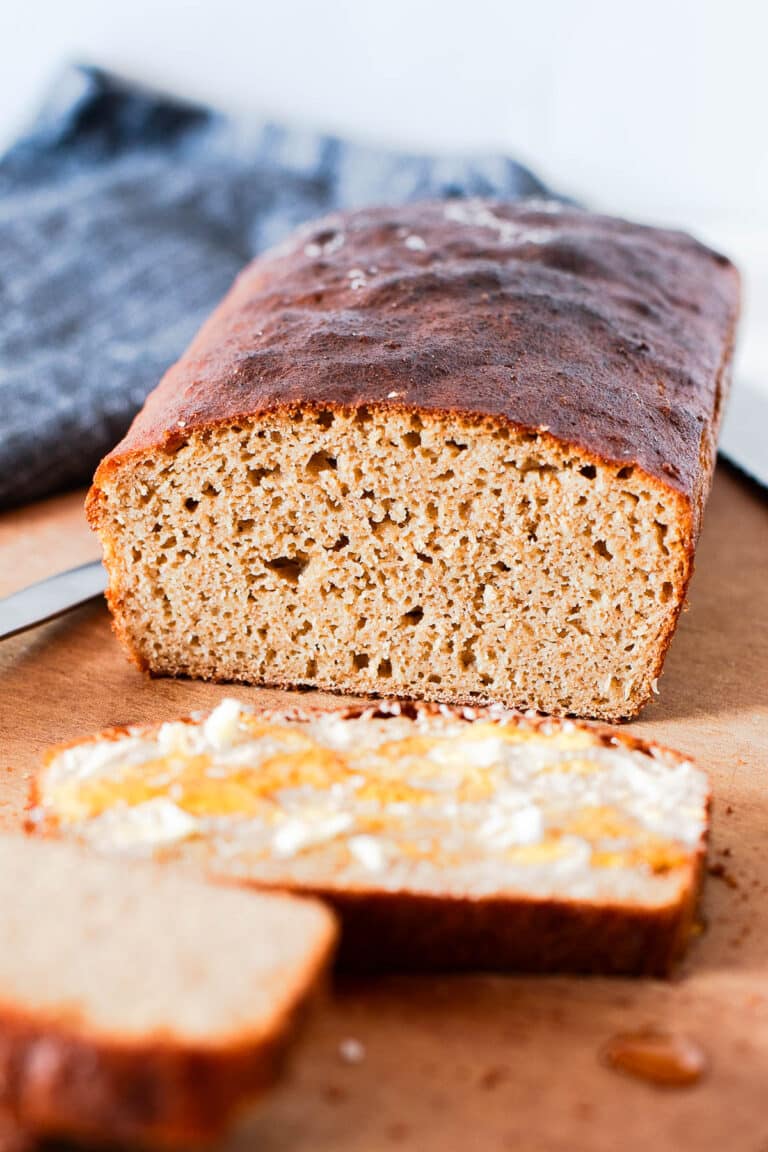
Einkorn Wheat Bread
A rustic, nutritious bread made with ancient einkorn wheat flour, offering a unique, slightly nutty flavor and a chewy texture. Perfect for those seeking traditional, gluten-rich bread with a focus on heritage grains.
🥘Ingredients
- 2 cups einkorn wheat flour (plus extra for dusting)
- 1 tsp salt
- 1 packet (7g) active dry yeast
- 1 cup warm water (110°F/43°C)
- 2 tbsp olive oil
- 1 tbsp honey or maple syrup
- 1 tsp ground nutmeg (optional)
- 1/2 cup whole milk (or almond milk)
- 1 tbsp honey
- 1/2 tsp cinnamon
👨🍳Directions
-
1
In a large mixing bowl, dissolve yeast in warm water. Let it sit for 5 minutes until foamy. -
2
In another bowl, combine einkorn flour, salt, olive oil, and honey. Stir to mix. -
3
Pour the yeast mixture into the flour mixture and stir until a shaggy dough forms. -
4
Transfer dough to a lightly floured surface and knead for 8-10 minutes until smooth and elastic. If using a mixer, knead on low speed for 8-10 minutes. -
5
Place dough in a lightly oiled bowl, cover with a damp towel or plastic wrap, and let rise in a warm place for 1 hour, or until doubled in size. -
6
Shape dough into a round loaf and place it in a banneton lined with a towel or a greased bowl. Cover and let rise for another 30-45 minutes. -
7
Preheat oven to 375°F (190°C). Bake the bread for 45-55 minutes, or until golden brown and the internal temperature reaches 205°F (96°C). -
8
For the glaze, mix milk, honey, and cinnamon. Brush over the warm bread immediately after baking.
🔧Equipment
- Mixing bowl
- Stand mixer or kitchen aid with dough hook
- Clean kitchen towel or plastic wrap
- Banneton (proofing basket) or a large bowl lined with a towel
- Baking sheet
- Oven
- Measuring cups and spoons
📊Nutrition Facts (per serving)
📝Notes
Tips
- Ensure your yeast is fresh and active by testing it in warm water before starting.
- For a rustic look, leave the bread slightly underproofed.
- Einkorn flour can be harder to work with than modern wheat flour, so kneading thoroughly is key.
- Store in an airtight container at room temperature for up to 3 days or freeze for longer storage.
Substitutions
- {“ingredient”:”Einkorn flour”,”substitute”:”A mix of 50% einkorn flour and 50% whole wheat flour”}
- {“ingredient”:”Yeast”,”substitute”:”1 tsp baking powder for a yeast-free option”}
Watch Video Of How Einkorn Wheat Bread Works
❓ Frequently Asked Questions About Einkorn Wheat Bread
What is the difference between einkorn and other ancient grains like spelt or emmer?
Einkorn is one of the oldest cultivated grains, dating back thousands of years, and is essentially the most primitive form of wheat—it consists of a single kernel with a single glume (the protective outer layer). Unlike spelt (a diploid wheat with two sets of chromosomes) or emmer (a tetraploid wheat with four sets), einkorn has only two sets of chromosomes, making it the simplest wheat structure. This purity gives einkorn bread a distinct texture—softer, more tender, and often with a subtle nutty flavor compared to modern wheat breads.
—
Why should I choose einkorn bread over regular wheat bread?
Einkorn bread offers several unique benefits:
1. Nutritional Superiority – It’s packed with more protein, fiber, and essential nutrients like zinc, magnesium, and B vitamins than modern wheat varieties.
2. Gut Health – Its ancient gluten structure is easier to digest for some people, reducing bloating and discomfort compared to processed wheat.
3. Sustainability – Einkorn requires less water and land to grow than modern wheat, making it an eco-friendly choice.
4. Taste & Texture – The bread has a delicate, slightly sweet flavor and a soft, airy crumb, often described as closer to a “living” bread.
5. Gluten Sensitivity – While not gluten-free, einkorn’s gluten is gentler, which may be preferable for those with mild gluten sensitivities or celiac tolerance.
—
How do I store einkorn bread to keep it fresh longer?
Einkorn bread is best stored in a cool, dry place to maintain freshness:
– Room Temperature (1–3 days): Wrap in a clean kitchen towel or parchment paper, then place in a bread box or airtight container.
– Long-Term Storage (up to 1 week): For longer storage, freeze the bread in a sealed bag or container. To reheat, thaw overnight in the fridge and toast slices as needed.
– Avoiding Staling: Keep it away from direct sunlight or heat sources (like the oven). For extra freshness, lightly brush with melted butter or olive oil before storing.
—
Can I substitute einkorn flour with another flour in this recipe, and if so, what should I use?
While einkorn flour is ideal for this recipe, you can experiment with substitutions, but keep in mind the texture and flavor may vary:
– Best Substitutes (for softness):
– 100% whole wheat flour (mix with einkorn for a milder taste).
– Spelt flour (similar ancient grain, but slightly denser; use 1:1 ratio).
– Rye flour (adds a hearty, slightly tangy note; use 50% einkorn + 50% rye).
– Avoid: All-purpose flour (too refined) or gluten-free blends (may alter structure).
For best results, reduce the liquid slightly (by 1–2 tbsp) and add 1–2 tsp of xanthan gum if using a non-einkorn flour blend.
—
Why does my einkorn bread turn out dense or gummy, and how can I fix it?
Several factors can cause dense or gummy einkorn bread:
1. Overmixing or Underproofing: Einkorn gluten develops slowly—stop kneading when the dough is slightly sticky, and let it proof longer (1–2 hours at room temp or overnight in the fridge).
2. Too Much Liquid: Einkorn absorbs moisture well; if the dough is wet, it may not rise properly. Adjust wet ingredients (like milk or water) by 1–2 tbsp at a time.
3. Cold or Dry Ingredients: Ensure all flours and liquids are at room temperature. Dry ingredients should be sifted for even distribution.
4. Yeast Not Active: If the dough is sluggish, let the yeast proof longer (up to 1 hour) or use a faster-rising yeast (like instant yeast).
Quick Fixes:
– For dense loaves, add 1 tsp baking soda to the dough for extra lift.
– Try a longer rise (up to 4 hours) to let gluten relax.
– If the texture is gummy, let the bread cool completely before slicing to set the crumb.


